

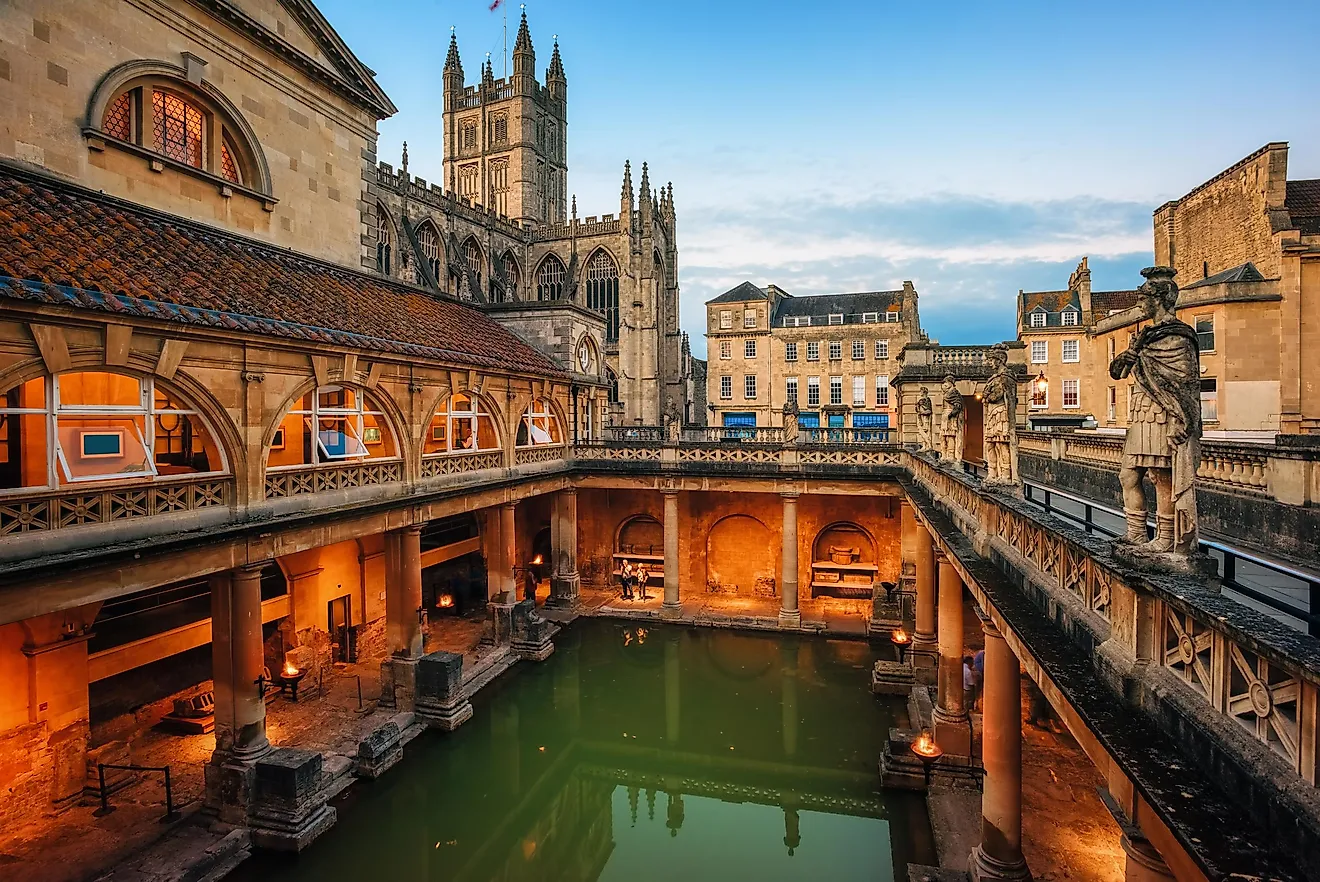
Quick answer
A well-paced bath day trip itinerary begins at the Roman Baths at 09:00, moves through Bath Abbey and the city centre by midday, explores the Royal Crescent and Circus in early afternoon, and concludes with Pulteney Bridge and riverside walks by 16:00. The route covers roughly 4.5 kilometres on foot and includes the city's three anchor monuments plus the Georgian architectural ensemble that defines its character. Arriving on an early train from London or Bristol positions you at the Roman Baths before tour groups concentrate around 11:00.
The Roman Baths lie 1.6 metres below modern street level, a fact visitors discover only when descending into the Great Bath's stone-columned precinct. That vertical drop explains why Bath's core itinerary unfolds as much through elevation as distance—the city climbs from the Avon floodplain to the hilltop crescents, and the walking route follows that gradient. A typical bath day trip itinerary opens with the Roman Baths because the complex operates on timed entry during peak months, and morning slots allow an unhurried 90-minute circuit through the spring, bathing halls, and museum galleries. The adjacent Bath Abbey, with its fan-vaulted ceiling and west facade's climbing angels, shares the same plaza and extends the historical narrative from Roman to medieval without requiring navigation. By late morning, the route naturally shifts northwest toward the Assembly Rooms and the Circus, where John Wood the Elder's three-segment crescent of townhouses demonstrates the mathematical principles Georgian architects applied to residential planning. The Royal Crescent sits 400 metres west, its 30-house arc facing Royal Victoria Park—a green corridor that offers the clearest view of Bath's topography and the surrounding Cotswold escarpment. From the Crescent, the route descends back toward the Avon via Pulteney Bridge, the only bridge in Britain with shops spanning both parapets, designed by Robert Adam in 1774. The Parade Gardens and riverside paths close the loop, positioning you near Bath Spa station by mid-afternoon if returning to London, or leaving margin for the Holburne Museum if extending the day. This sequence minimizes backtracking and aligns with the way Bath reveals itself—starting in the excavated past, rising through the Georgian present, then returning to the river that made both eras possible. The itinerary assumes moderate walking pace and at least one meal stop, typically near the Guildhall Market or along Milsom Street, where independent cafes cluster away from the Abbey Yard's chain outlets.
“The Roman Baths lie 1.6 metres below modern street level, a vertical drop that explains why Bath's itinerary unfolds as much through elevation as distance.”
An Efficient Bath Day Trip Itinerary
This itinerary suits visitors arriving by mid-morning train and prioritizes the Roman Baths, with time for lunch and a brief city walk. The plan spans roughly six hours, leaving flexibility for an early-evening departure.
Arrival and orientation
Step off the train at Bath Spa and walk ten minutes southeast to Abbey Church Yard. The route passes the city center and brings you directly to the Roman Baths entrance.
Roman Baths tour
Begin your self-guided tour through the Great Bath, Sacred Spring, and Temple Courtyard. Allow 90 minutes to move through all four zones without rushing.
Bath Abbey exterior
Cross Abbey Church Yard to view the Abbey's west façade and fan vaulting. A five-minute pause here offers context before lunch.
Lunch break
Walk north along Stall Street to find cafés and pubs near the Guildhall Market. A 60-minute window covers ordering, eating, and a short rest.
Pulteney Bridge and weir
Head east to Pulteney Bridge, then descend to the riverbank to see the horseshoe weir. The round trip from the city center takes 20 minutes.
Royal Crescent walk
Continue northwest via Gay Street to reach the Royal Crescent. Budget 30 minutes to walk the crescent and photograph the Georgian terrace.
Return leg
Walk back through the city center toward Bath Spa station, allowing 15 minutes. Early arrivals can browse the station's shops before boarding.
Best Time for Your Bath Day Trip Itinerary
The best time for a visit is during the shoulder seasons of spring and autumn, specifically on mid-week mornings, to ensure a more manageable experience. Arriving within the best arrival window of 09:00–16:00 allows you to avoid peak congestion while securing sufficient time for your tour.
Weekday mornings
Minimal congestion—
Visiting early on a weekday minimizes wait times and avoids the highest volume of visitors.
April and October
ModerateMild, 10°C to 16°C
These months offer a balance of comfortable temperatures and lower visitor numbers compared to summer.
Summer months
HighWarm, 15°C to 22°C
Expect large crowds and longer queues during school holidays and the peak tourism season.
Verdict: Tuesday to Thursday, arriving at 09:00, during the months of April or October provides the most reliable window for a visit.
Opening Hours for Your Bath Day Trip Itinerary
The Roman Baths operate on a consistent schedule throughout the week to accommodate visitors. The site is open daily from morning until early evening.
| Monday | 09:00–18:00 | |
|---|---|---|
| Tuesday | 09:00–18:00 | |
| Wednesday | 09:00–18:00 | |
| Thursday | 09:00–18:00 | |
| Friday | 09:00–18:00 | |
| Saturday | 09:00–18:00 | |
| Sunday | 09:00–18:00 |
Getting There for Your Bath Day Trip Itinerary
The site is located at Abbey Church Yard, Bath BA1 1LZ, United Kingdom, situated in the heart of the city center. The most efficient way to reach this area is via the Bath Spa railway station, which serves as the primary transport hub.
GWR service from London Paddington to Bath Spa
National Express or local First West of England buses to Bath Bus Station
From Bath Spa station to Abbey Church Yard
M4 motorway to A46 towards Bath city center
Combining Nearby Sights With Your Bath Day Trip Itinerary
The city center is compact, allowing you to easily combine your visit to the Roman Baths with other historic landmarks within a short walking distance. These sites provide a broader perspective on the architectural and social history of Bath.
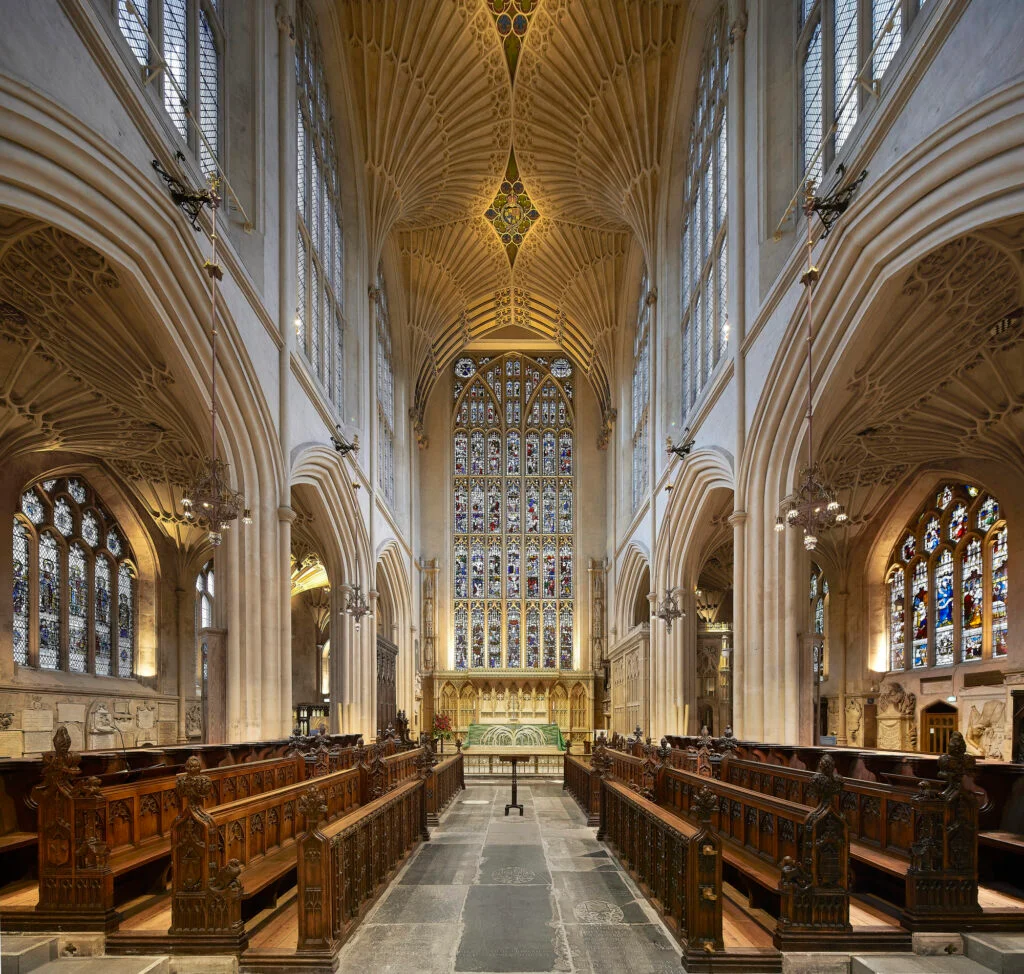
Bath Abbey
Located directly adjacent to the site, this historic church offers a clear view of the city and continues the architectural narrative of the area.
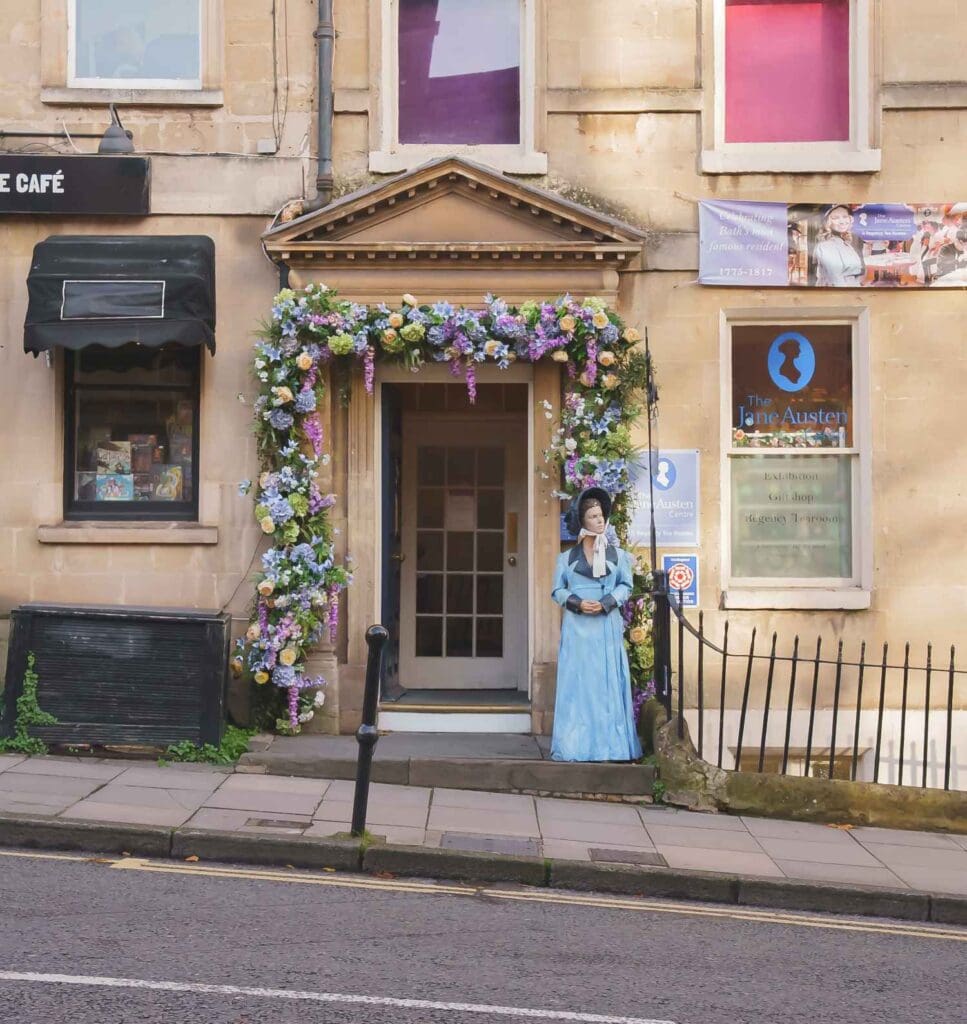
The Jane Austen Centre
This museum explores the author's residency in the city, providing a thematic link to the Regency period often associated with Bath's later history.
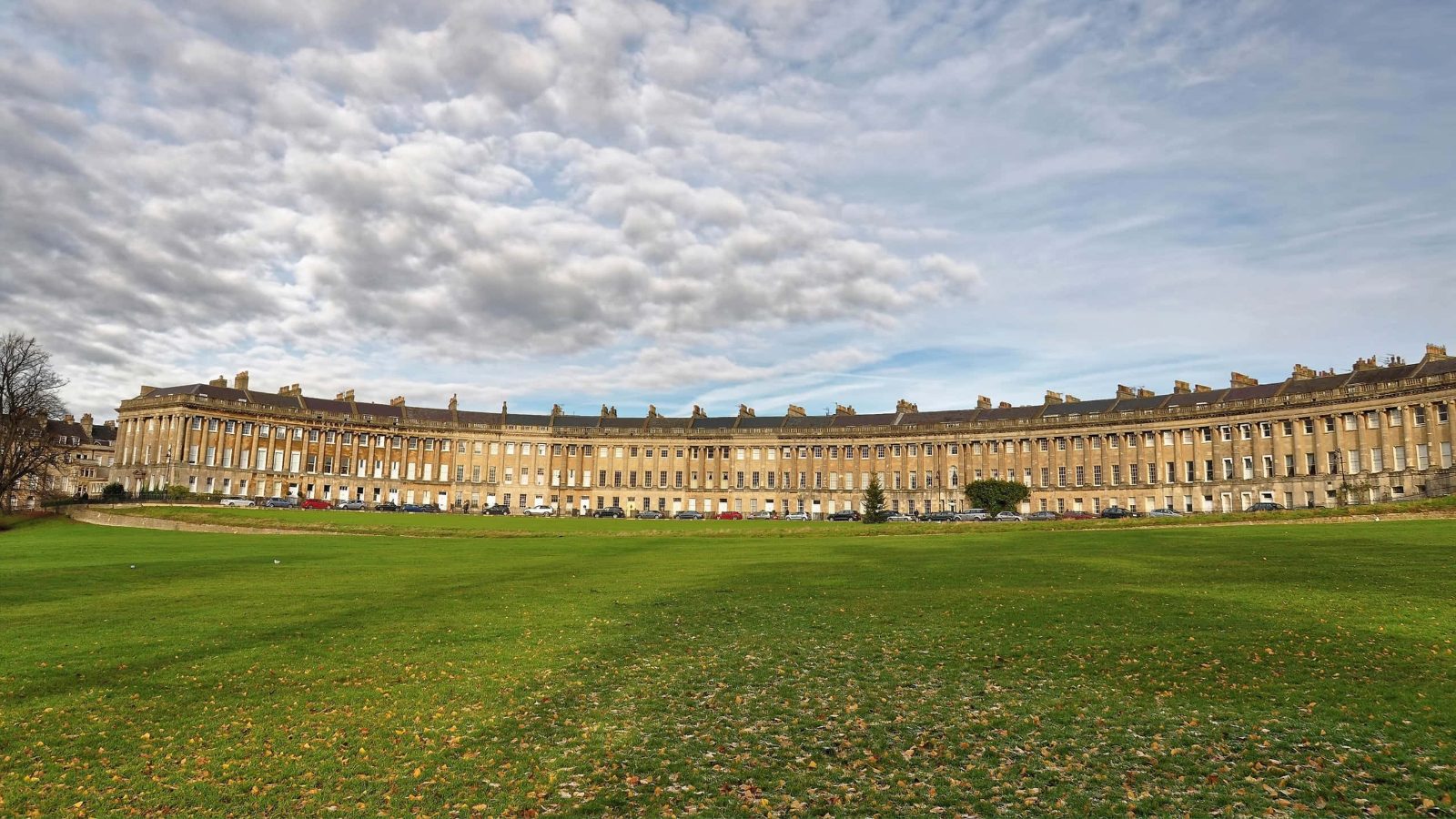
Royal Crescent
As a prominent example of Georgian architecture, this landmark complements a visit to the older Roman foundations by showcasing 18th-century urban design.
Check availability
Frequently Asked Questions About Your Bath Day Trip Itinerary
Everything you need to know about bath day trip itinerary