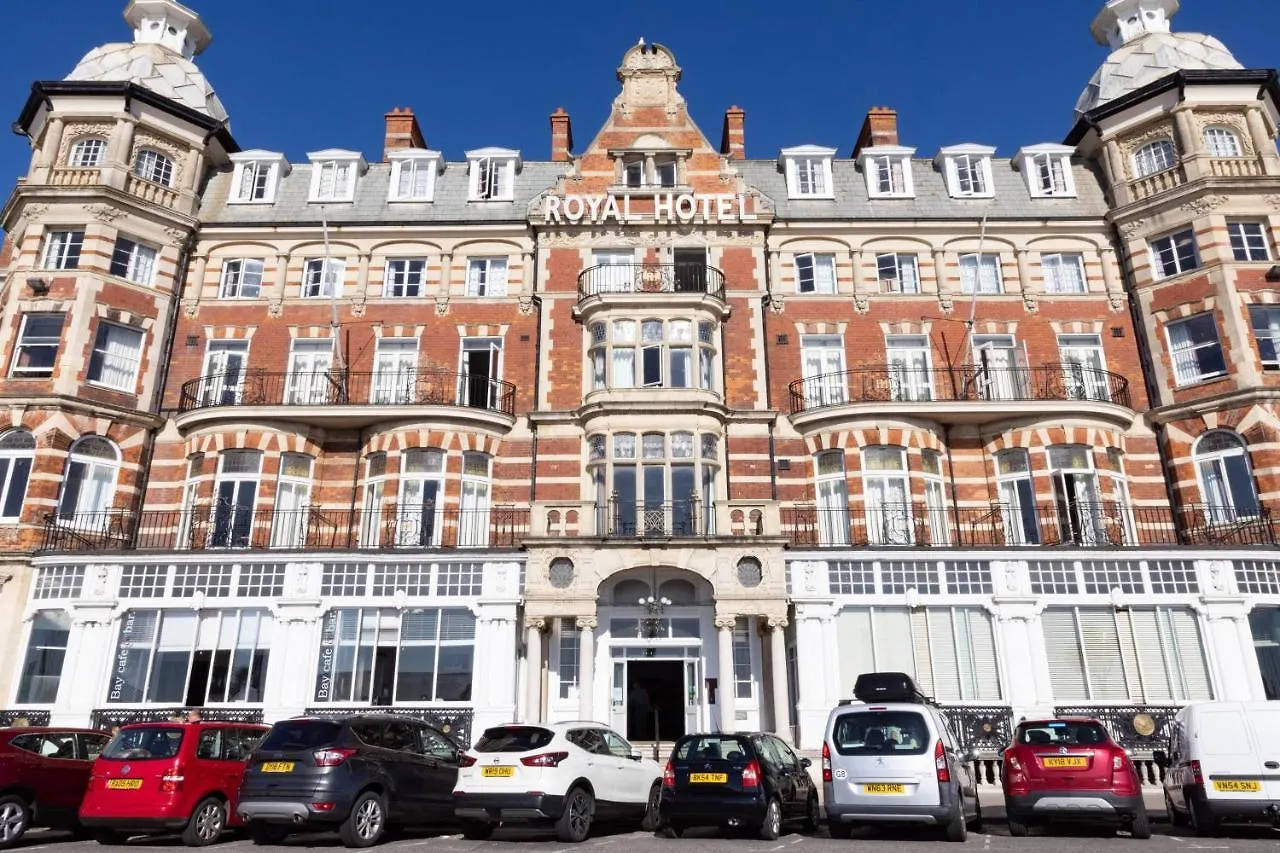
11 hr
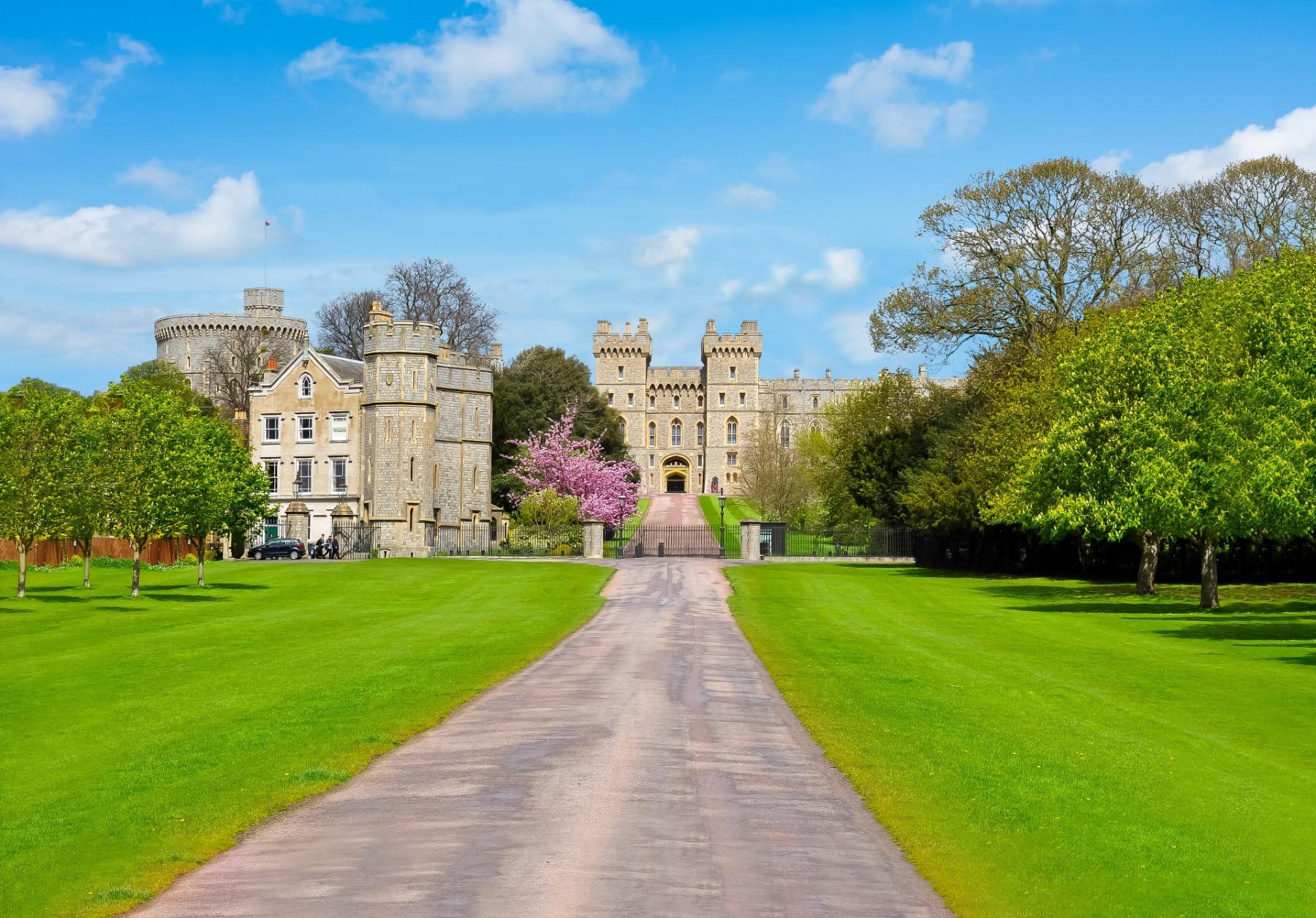
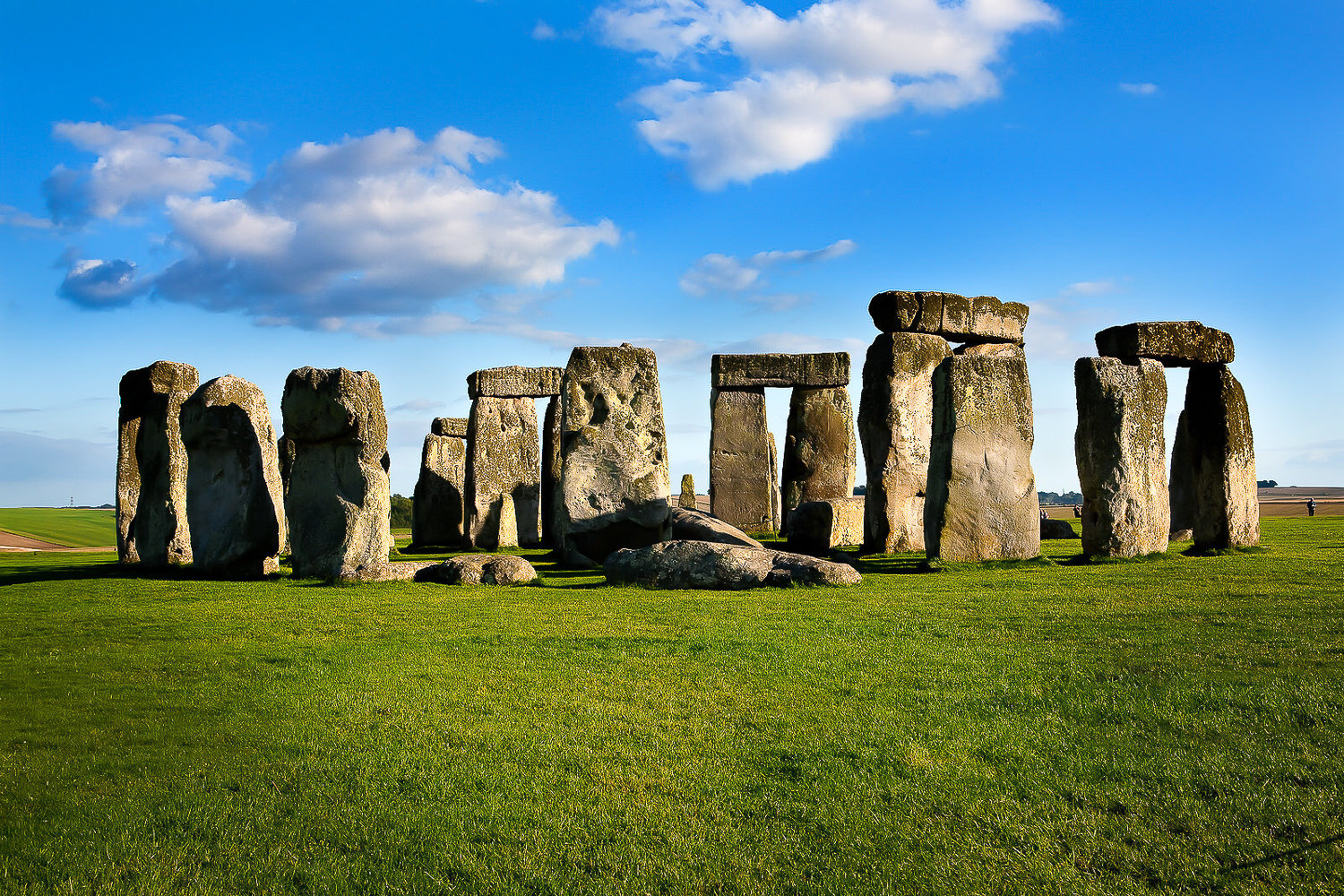
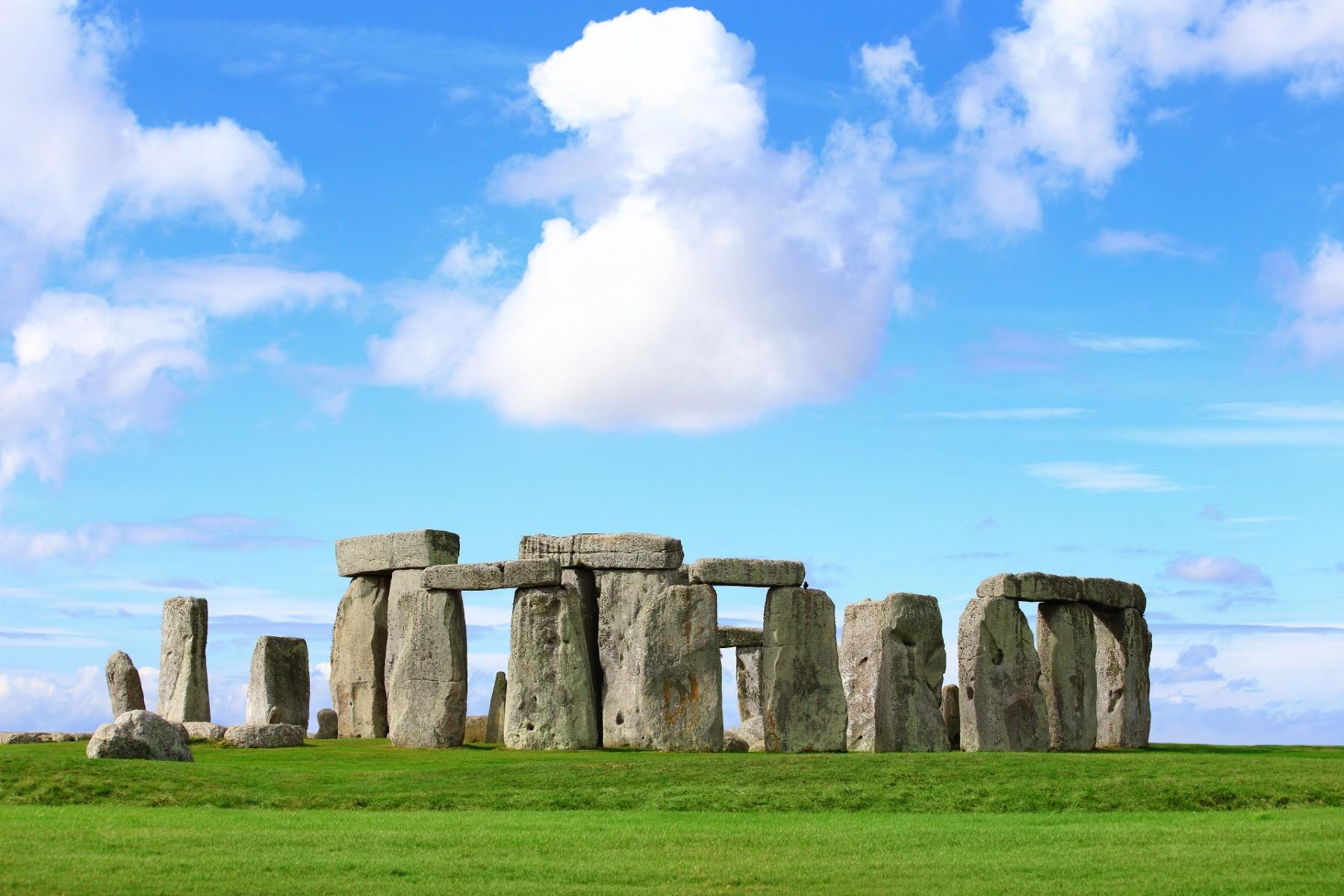
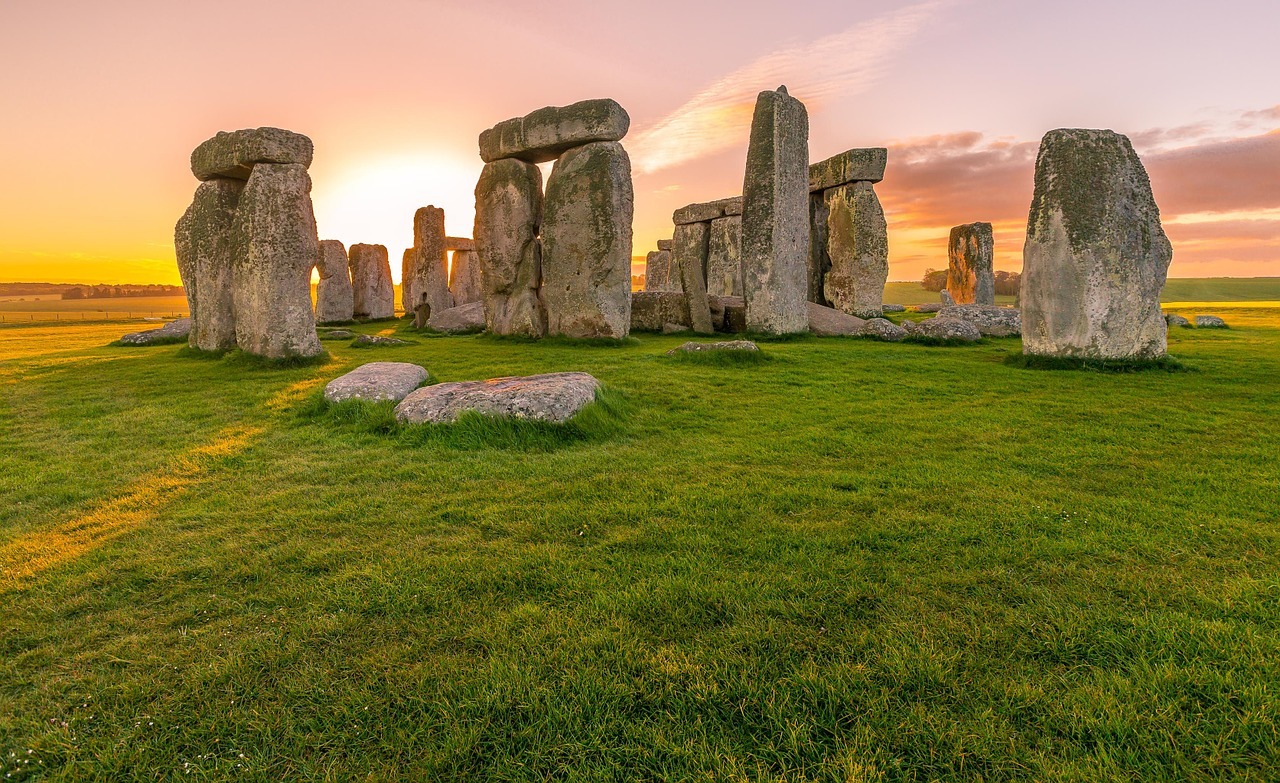
Windsor Castle, Stonehenge, Bath & Roman Baths Day Tour
- Expert local guide
- Small group
- Skip-the-line access
- Free cancellation
Bath Day Trip — Roman Baths, Georgian Quarters & Avon Valley
Honey stone terraces and two-thousand-year-old springs, ninety minutes west of London
Compare fares, pick the fit — all bookings are mobile-voucher and eligible for free cancellation where shown.
11 hr
11 hr
11 hr
| Experience | Duration | Rating | Skip-the-line | Guide | Small group | Free cancel. | Price | |
|---|---|---|---|---|---|---|---|---|
|
Guided Experience
Most popular
Windsor Castle, Stonehenge, Bath & Roman Baths Day Tour
|
11 hr | ★ 4.5 | ✓ | ✓ | ✓ | ✓ | €83 | Book → |
|
Guided Experience
Stonehenge & Bath Day Tour from London
|
11 hr | ★ 4.8 | ✓ | ✓ | ✓ | ✓ | €99 | Book → |
|
Guided Experience
Stonehenge & Roman Baths Day Tour from London
|
11 hr | ★ 4.7 | ✓ | ✓ | ✓ | ✓ | €99 | Book → |
Worth it for history enthusiasts and first-time visitors
At £29 for standard weekday adult admission, a bath day trip centered on the Roman Baths delivers substantial educational value if you're drawn to Roman Britain. The self-guided audio tour leads you through remarkably preserved bathing chambers, temple courtyards, and the Great Bath itself—one of the finest Roman sites north of the Alps. You'll walk ancient pavements, see original lead piping, and stand where Romans bathed nearly two millennia ago. The museum collection includes gilt bronze heads, curse tablets, and architectural fragments that bring the UNESCO World Heritage city's origins into focus. If you treat history as a checklist or rarely spend more than an hour at heritage sites, the ticket price may feel steep for what is essentially a single complex. But for anyone interested in Roman engineering, social ritual, or Britain's classical past, the Roman Baths offer rare access to a functioning sacred spring and bathing complex that has anchored Bath since AD 60—making it a strong anchor for bath day trip tours.
Bottom line: If Roman history holds your attention for more than a glance, the price pays off in rare access and depth; if not, explore Bath's Georgian landmarks instead.
Hand-picked experiences loved by thousands of travelers
10 hours
Free Cancellation
Explore England's most celebrated landmarks on a guided coach journey through royal history and ancient mysteries
2 hours
Step into Britain's best-preserved Roman spa and explore 2,000 years of bathing ritual and worship
1 day
Free Cancellation
Journey through ancient monuments and England's most enchanting villages on this full-day escape.
11 hours
Free Cancellation
Discover two UNESCO sites in one day: the ancient stone circle and Georgian Bath's elegant streets
11 hours
Free Cancellation
Journey through England's ancient history and Georgian elegance on this comprehensive coach excursion
10 hours 30 minutes
Free Cancellation
Journey through Wiltshire's ancient stone circles, film-famous villages, and Roman heritage in one day
12 hours
Free Cancellation
Journey to England's ancient stone circle and Georgian jewel on a 12-hour guided excursion
6 hours
Free Cancellation
Journey to England's ancient stones and Georgian elegance on a tailored excursion built for your group alone.
Check in at the main ticket desk
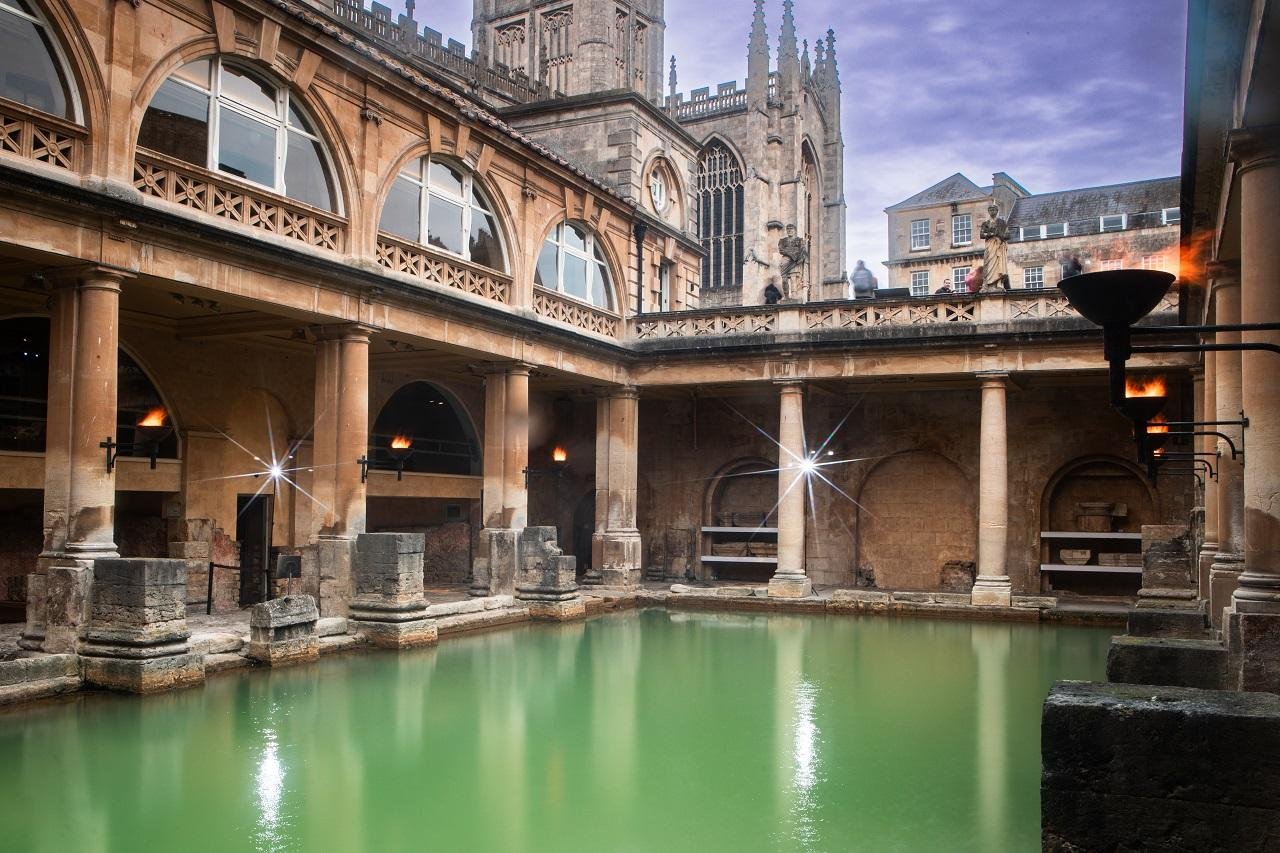
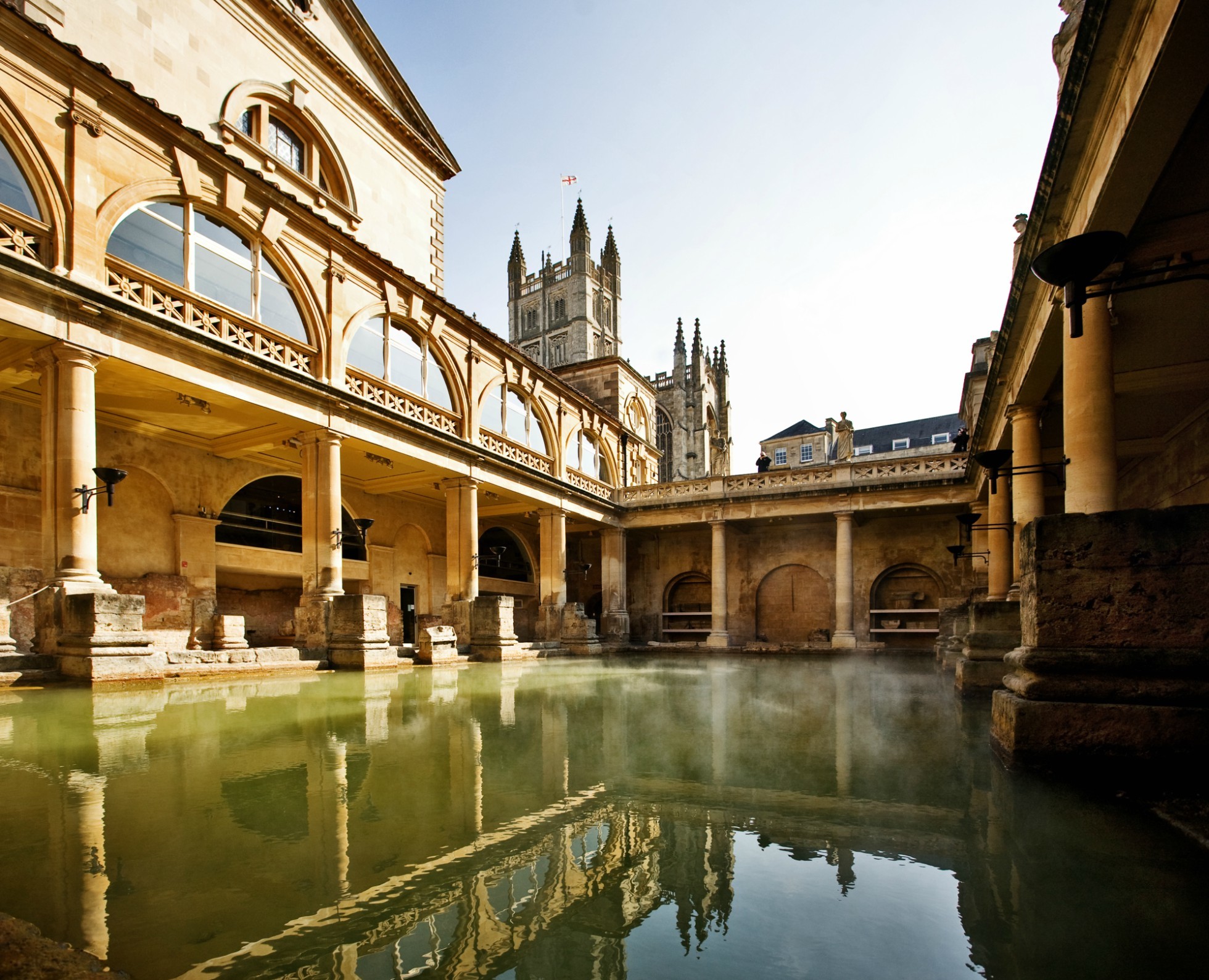
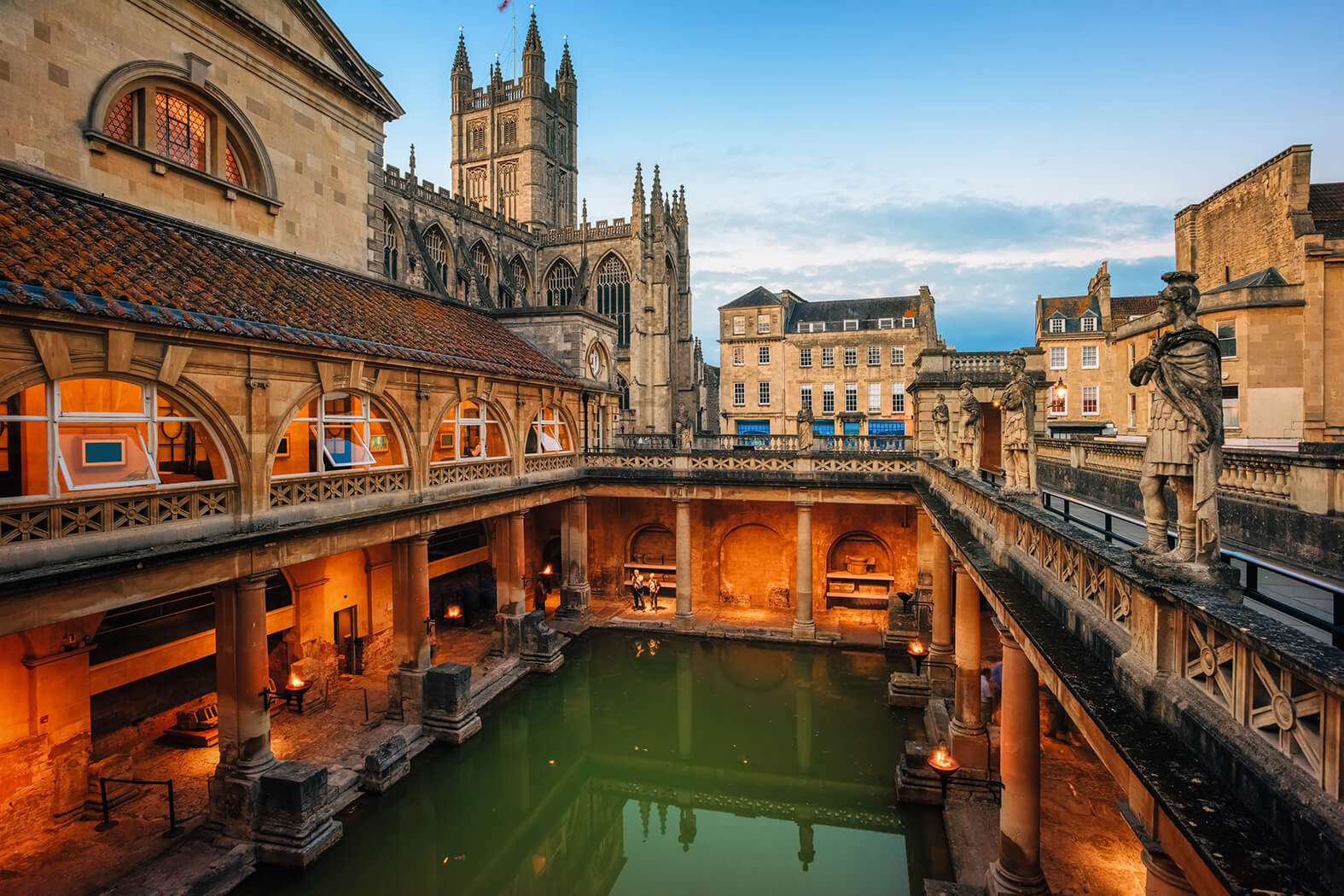
View the main terrace and sacred spring
Explore artifacts and historical exhibits
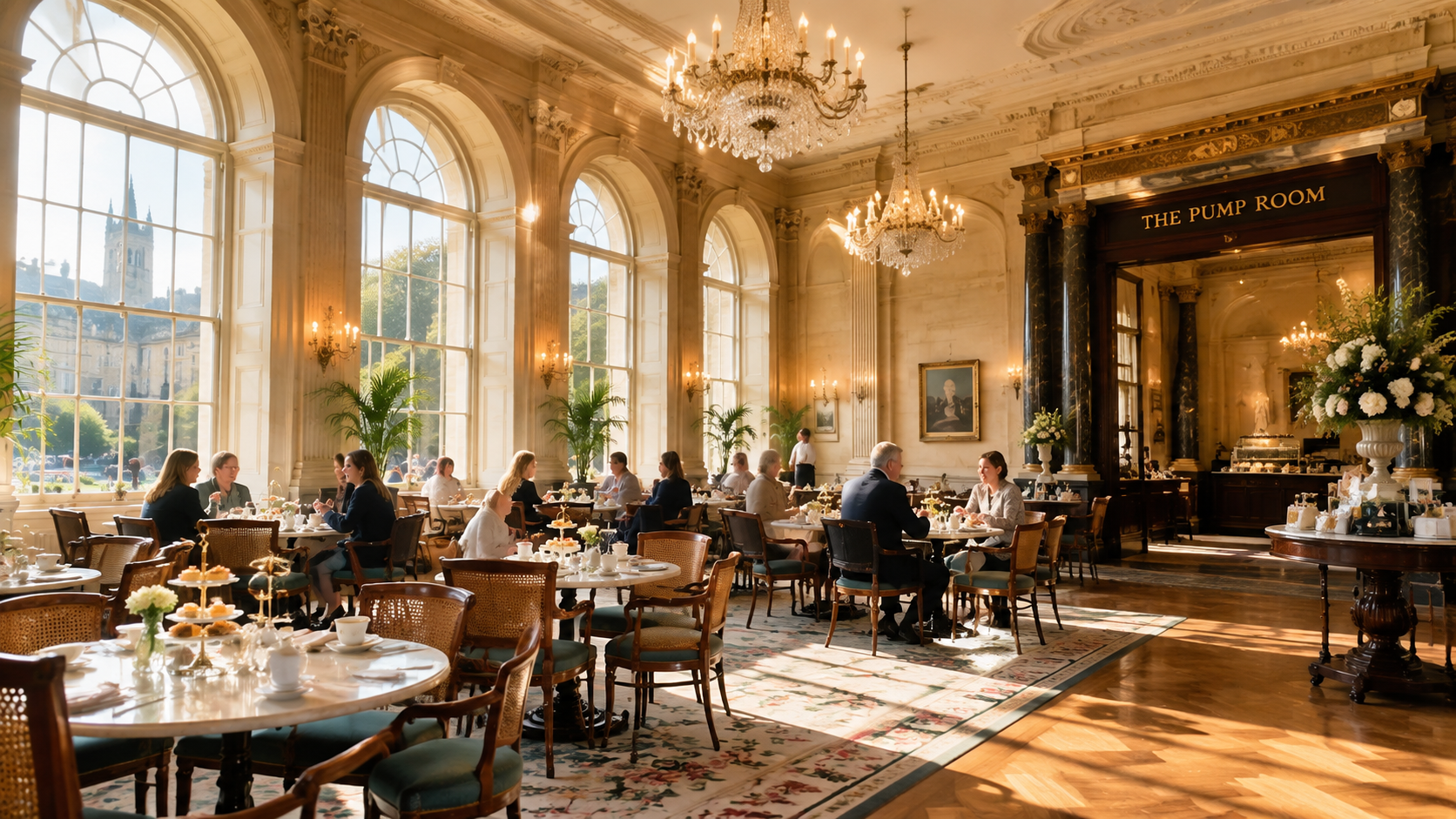
Experience the historic tea room
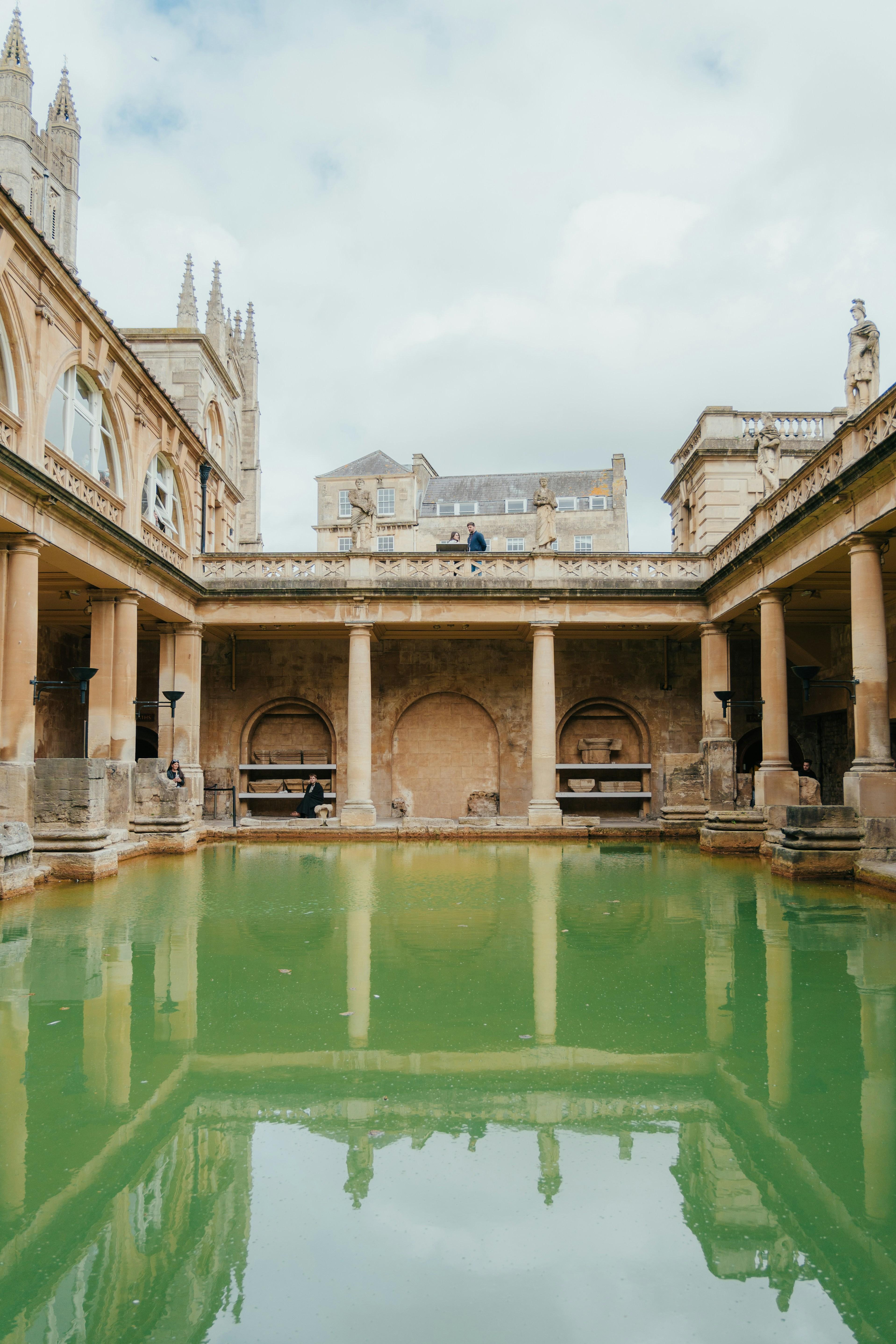
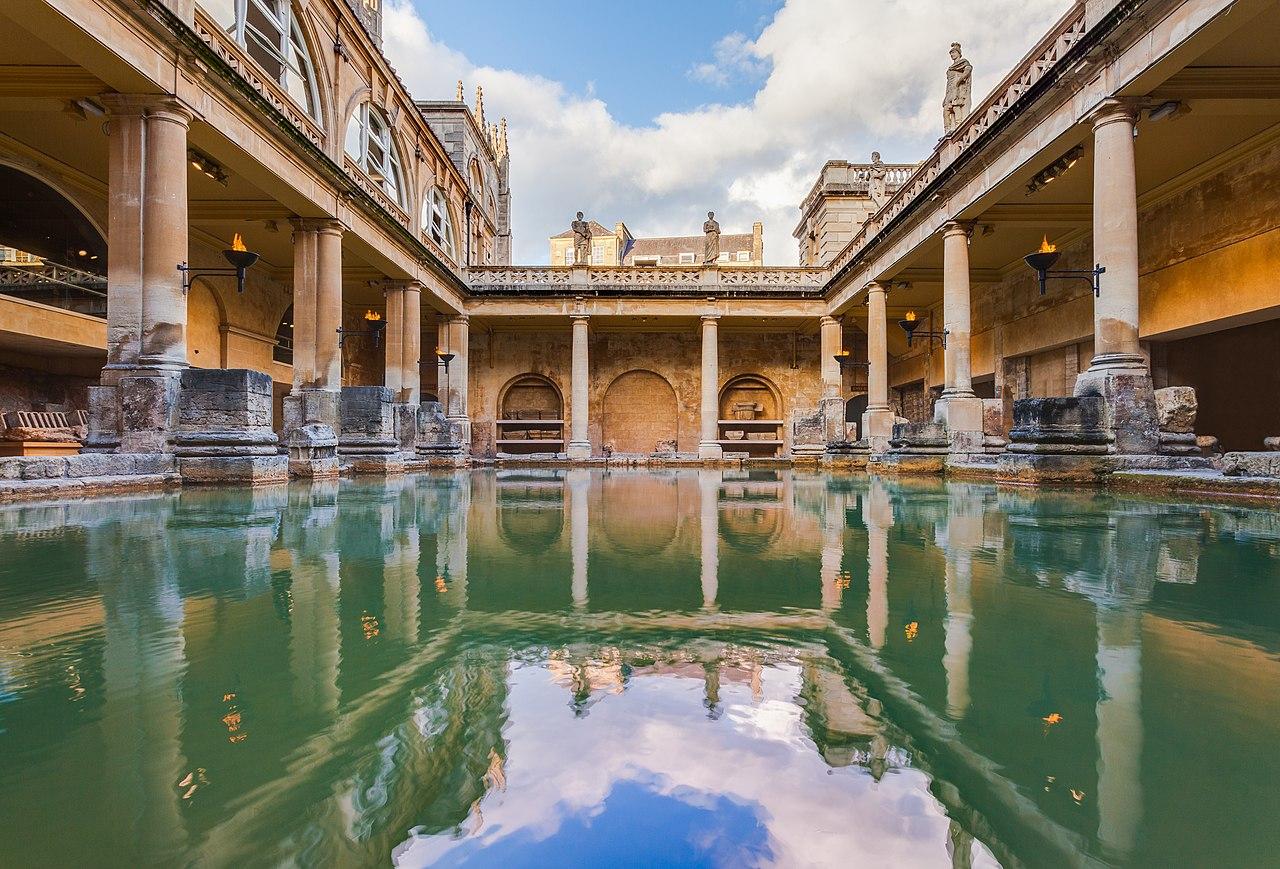
The centerpiece of the complex featuring thermal water. It contains millions of liters of hot spring water
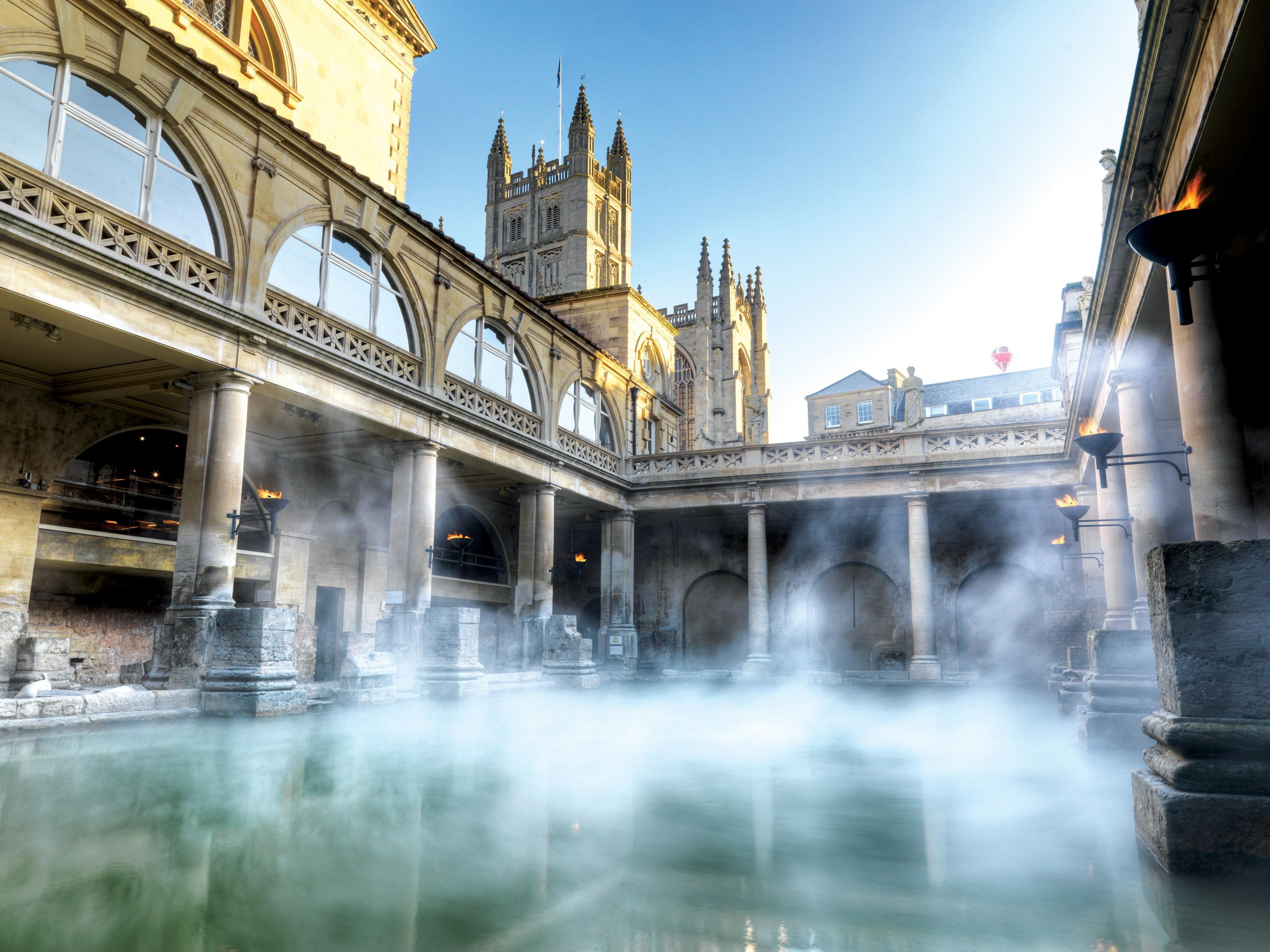
Great Bath view
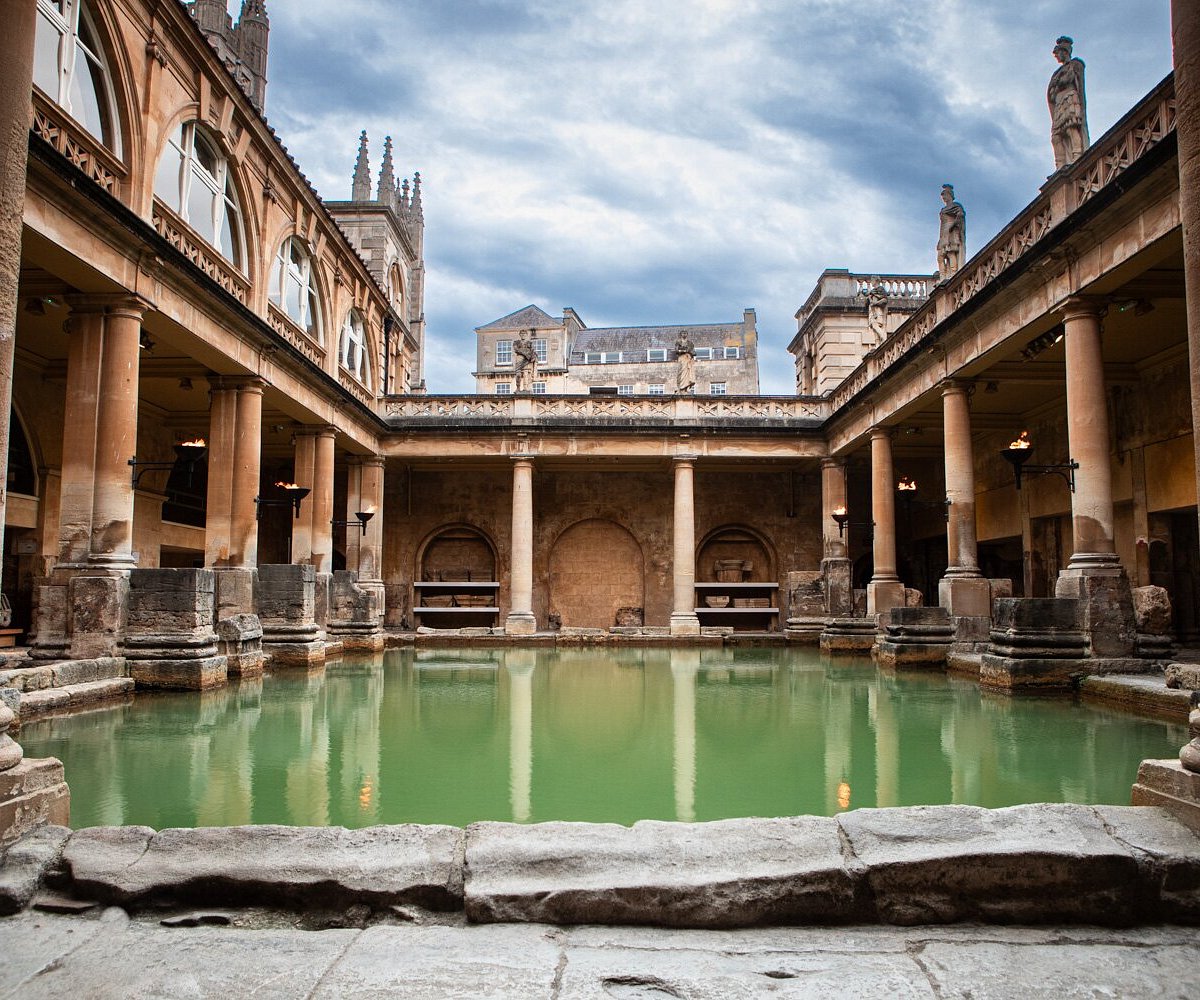
The thermal source of the water. It rises at a constant temperature of 46 degrees Celsius
Sacred Spring Bath
Dedicated to the goddess Sulis Minerva. It stands as a prime example of classical architecture
Roman temple Bath
Remains of the bathing suite including heating systems. These show advanced ancient engineering
East Baths ruins
Houses artifacts found during excavations. Includes coins and local Roman pottery pieces
Roman Baths museum
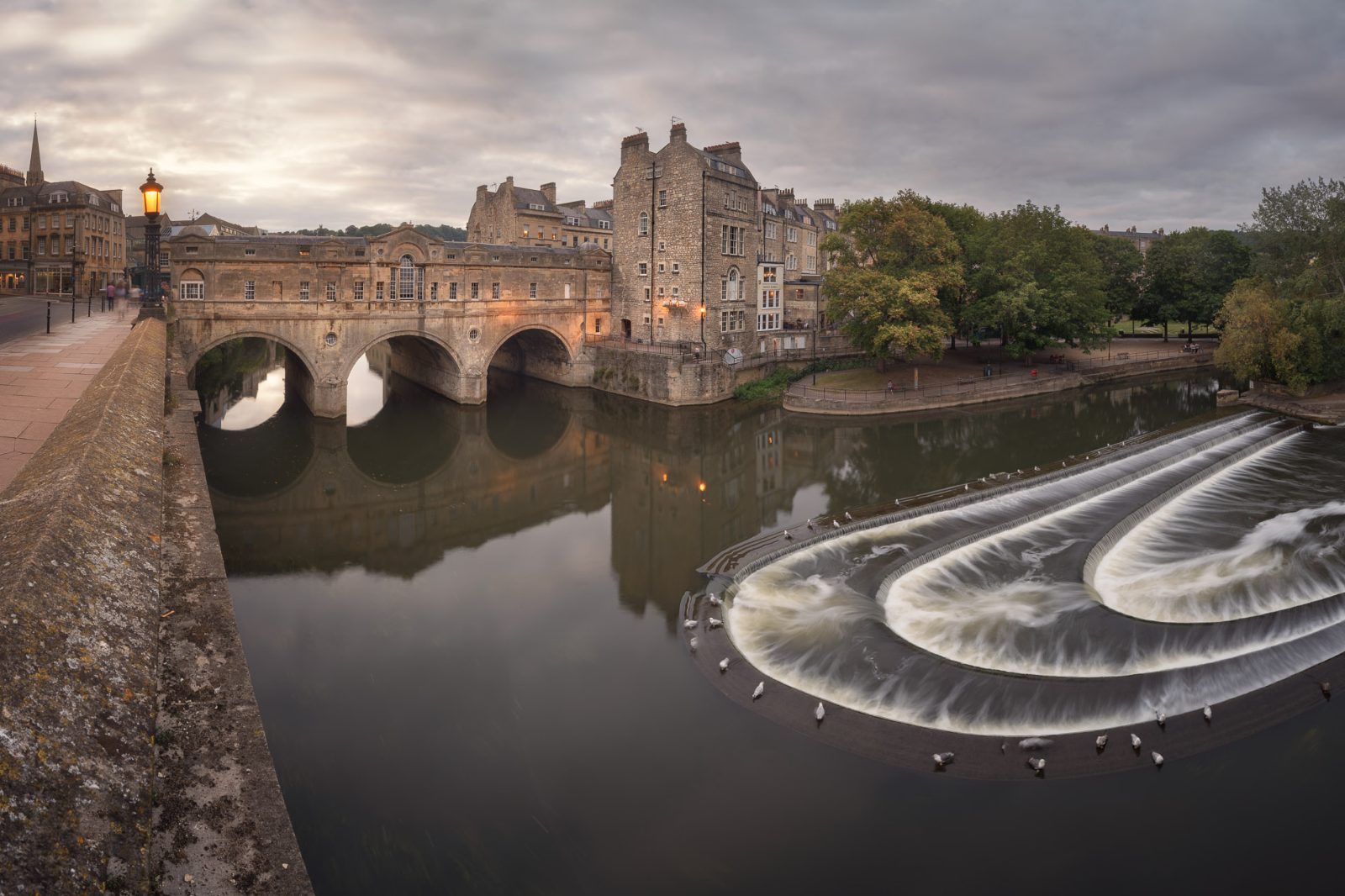
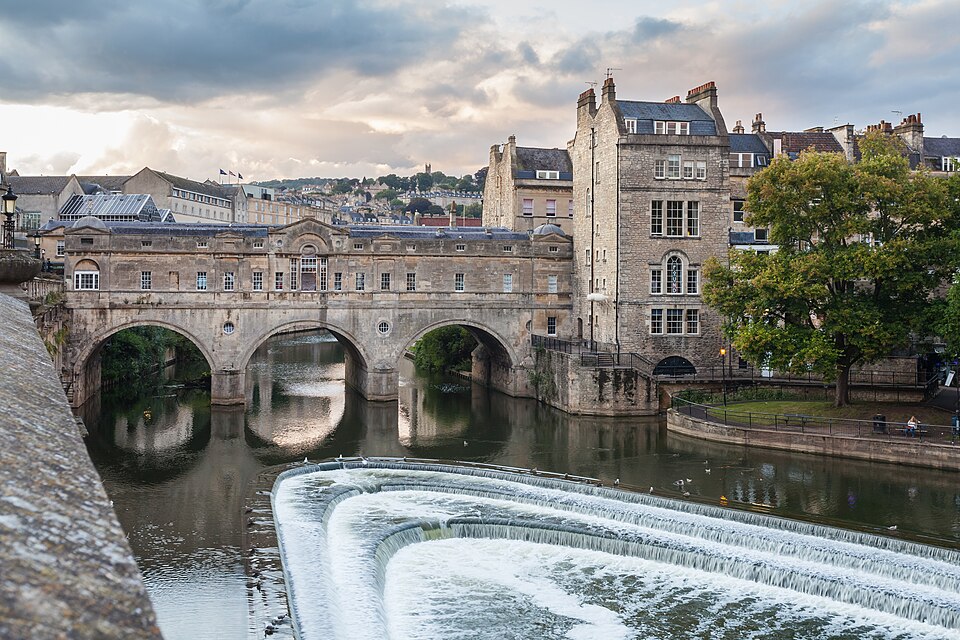
You arrive at Bath Spa station and walk south across the Avon, where Pulteney Bridge spans the river with shops pressed into its balustrade, the only such structure outside Florence.
The Roman Baths entrance at Abbey Church Yard opens at 09:00; your timed ticket admits you to the terrace overlooking the Great Bath, steam rising from the green water even in summer. The audio guide leads you down through the temple precinct, past curse tablets inscribed on pewter and a gilt bronze head of Sulis Minerva recovered from a drain in 1727. You pause at the King's Bath spring, where 1.17 million litres surface daily at a constant temperature.
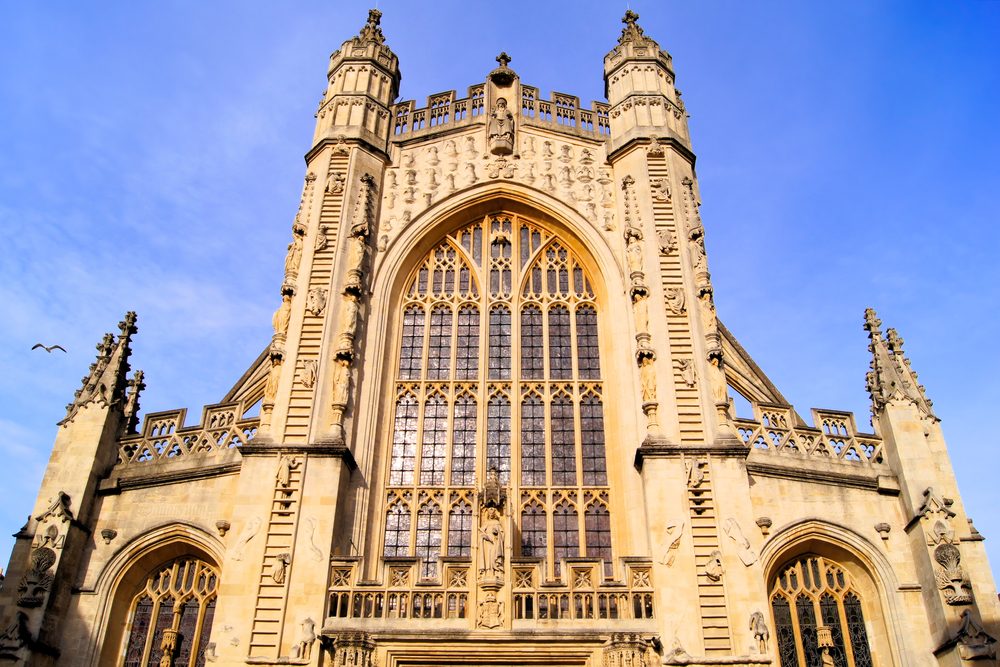
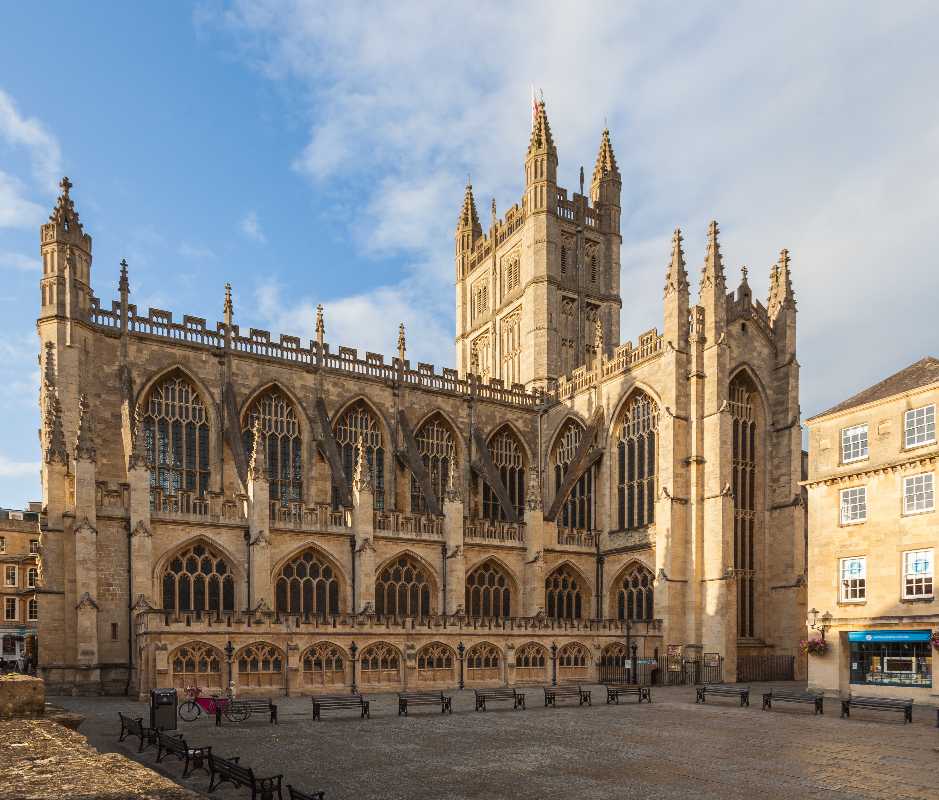
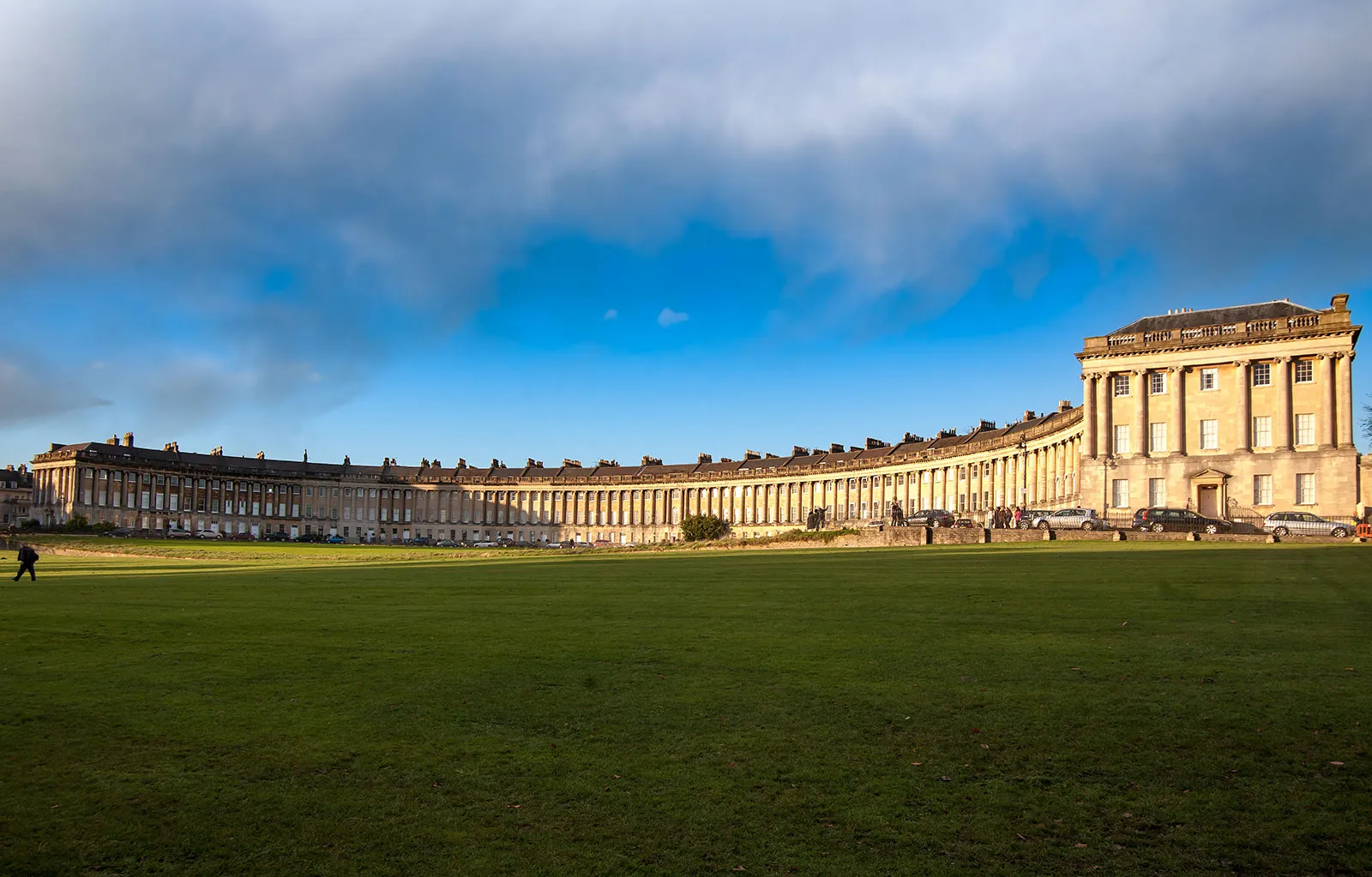
By midday you've circled the Circus, its three tiers of columns ascending through Doric, Ionic, and Corinthian orders, then climbed Brock Street to the Royal Crescent. The lawn falls away to Victoria Park and the Avon valley beyond. You walk back through Milsom Street, where the gradient steepens and the shops give way to the Assembly Rooms, their chandeliers and card tables unchanged since 1771. Bath Abbey anchors the city centre, its west front carved with angels ascending and descending Jacob's Ladder. If you've allocated a full day you'll cross Pulteney Weir to the Holburne Museum or take tea at the Pump Room, where a fountain still offers thermal water at 46°C, metallic and faintly sulfurous.
All the details about your upcoming adventure in one place
A bath day trip offers direct access to Georgian architecture, Roman heritage, and UNESCO World Heritage sites in one of England's most elegant cities. Popular bath day trip tours depart from central London with coach transport and guided walks through the historic centre, including the Roman Baths and Royal Crescent. Whether you're exploring the thermal springs, Jane Austen landmarks, or the honey-coloured townhouses, bath day trip tickets typically include entry to key attractions and round-trip transfers.
The Roman Baths in Abbey Church Yard draw more than a million visitors each year to a thermal spring that has flowed without interruption since the first century AD.
When the legions arrived in 43 AD they found the Celts already venerating the hot water; by 70 AD they had built a temple to Sulis Minerva and a bathing complex that would become the social heart of Aquae Sulis. The Great Bath, lined with forty-five sheets of Mendip lead and fed by a constant 46°C flow, survives largely intact beneath street level. Medieval builders raised the city above the Roman footprint, so today's visitor descends through strata of history to reach the water.
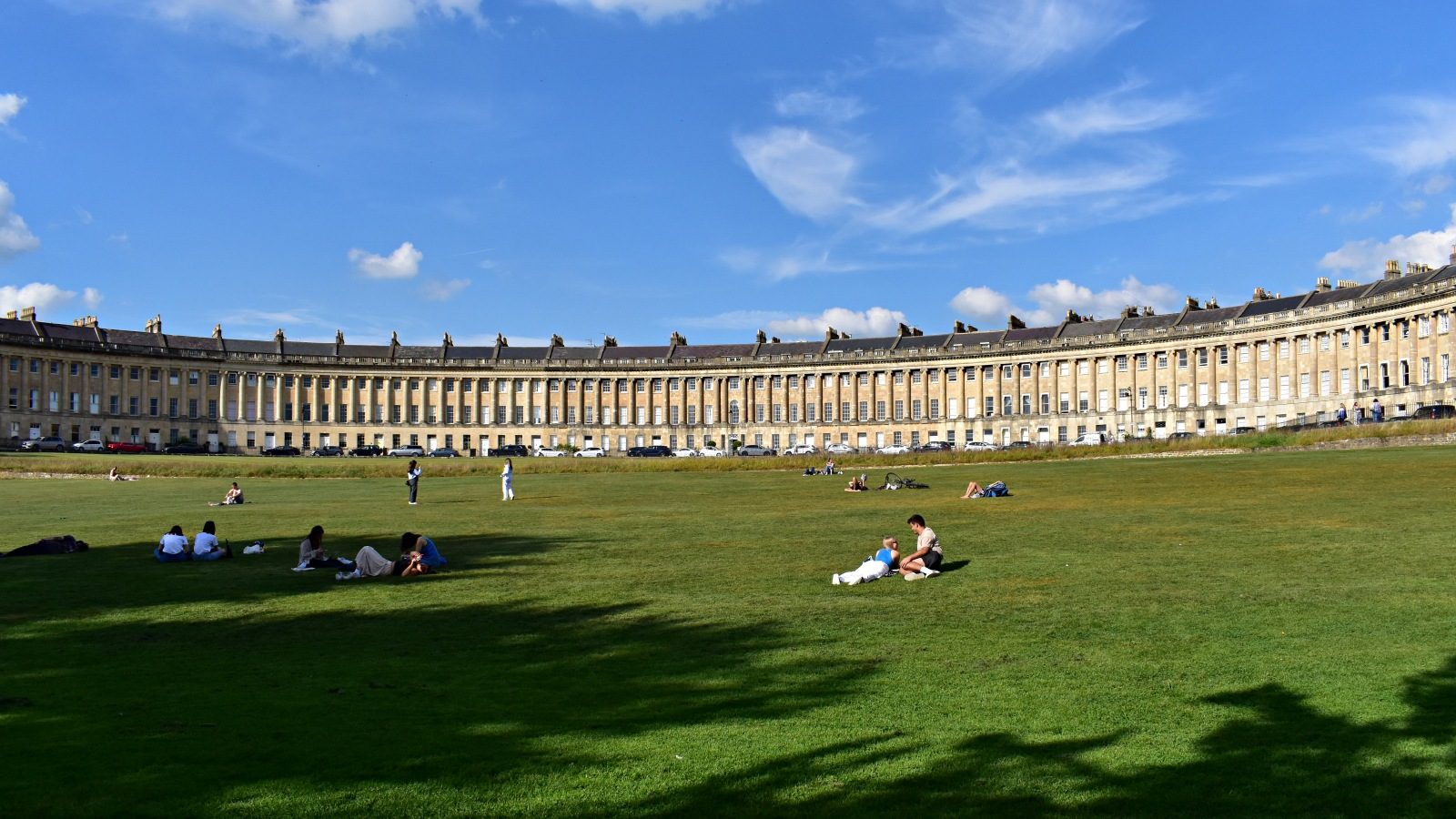
Bath's second act began in the eighteenth century when Beau Nash, the self-appointed master of ceremonies, transformed a declining wool town into the most fashionable resort in Britain. The architect John Wood the Elder laid out Queen Square in 1736, then began the Circus in 1754; his son completed it and added the Royal Crescent, a sweeping arc of thirty townhouses that remains the finest example of Georgian residential architecture in Europe. Ralph Allen's quarries at Combe Down supplied the oolitic limestone that gave the city its uniform honey glow. Jane Austen lived here from 1801 to 1806 and set two novels against its assembly rooms and pump rooms, though her letters reveal she found the social ritual stifling.
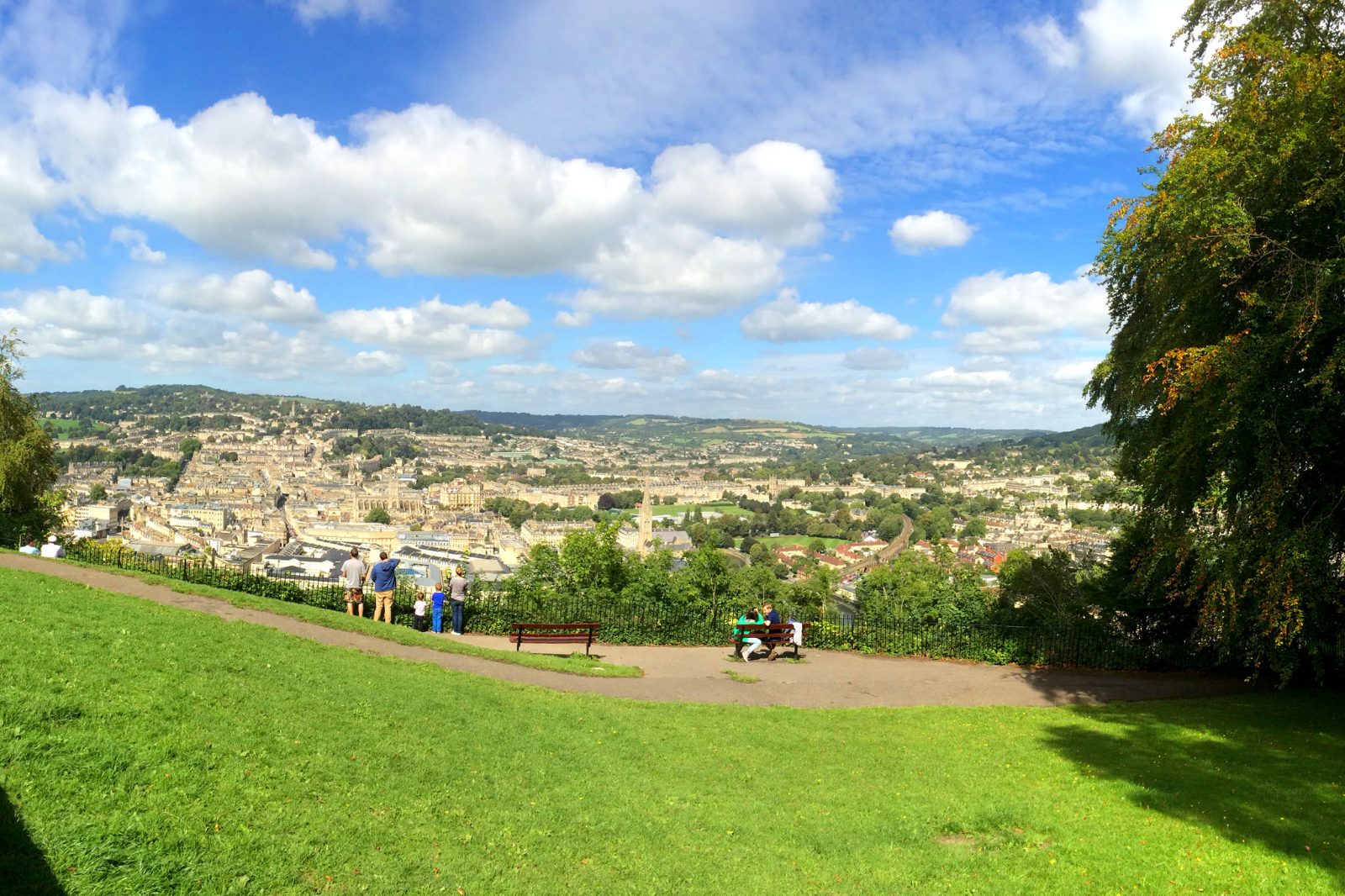
Today a Bath day trip from London via Great Western Railway takes ninety minutes; services depart Paddington every half-hour. The compact city centre can be walked end to end in twenty minutes, so a single day captures the Roman Baths, the Circus, the Royal Crescent, Pulteney Bridge with its shops built into the span, and Bath Abbey, where fan vaulting meets walls of glass in the Perpendicular style. Spring and autumn offer the best conditions for a Bath day trip itinerary: fewer coach parties, softer light on the stonework, and the Avon valley in either blossom or rust. Families planning a Bath day trip with kids will find the Roman Baths costumed interpreters and touchable artifacts more engaging than static exhibits. A Bath day trip from Oxford follows the A420 through the Cotswolds in under two hours; a Bath day trip from Bristol takes fifteen minutes by train.
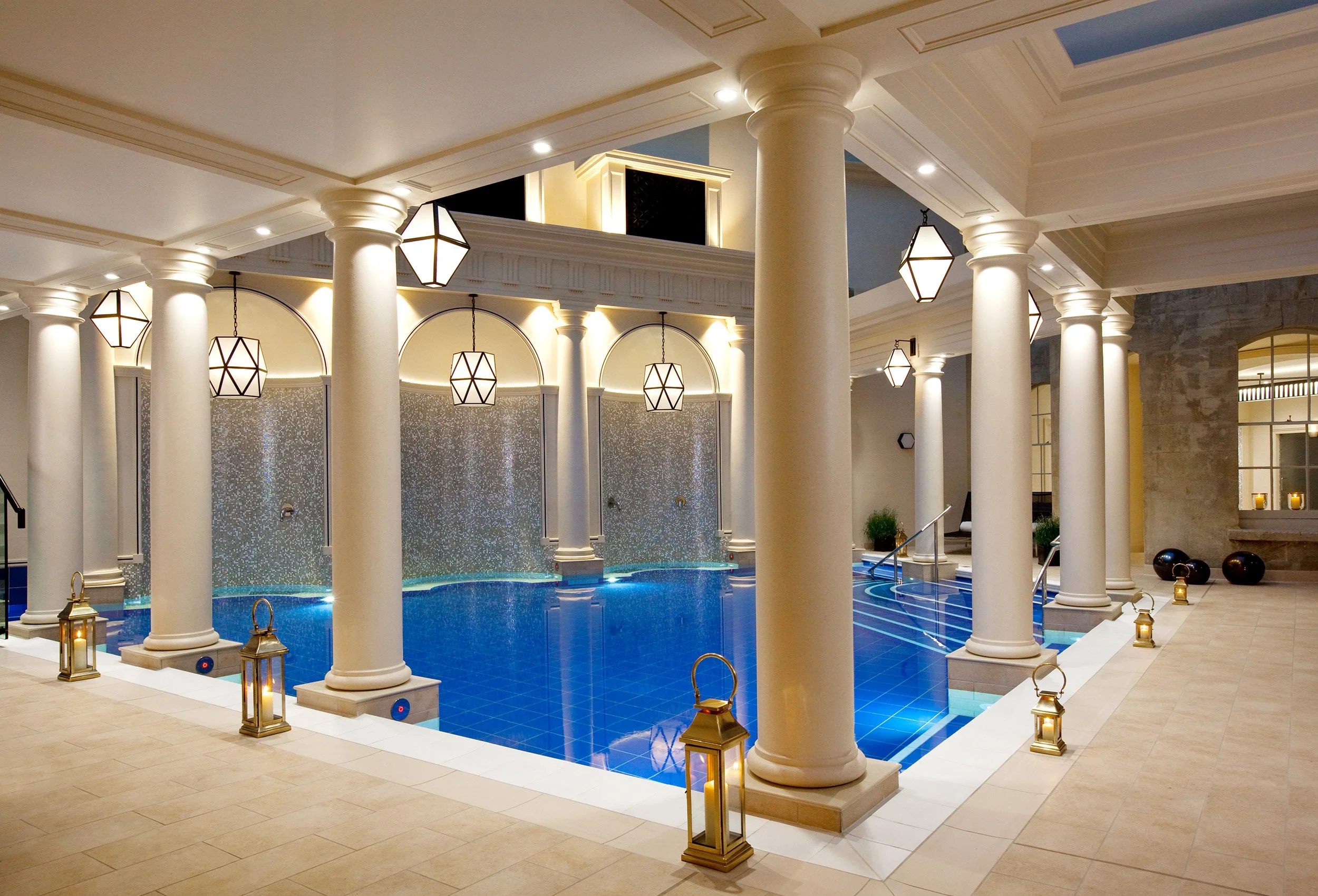
The Thermae Bath Spa, opened in 2006, returns bathers to the same thermal aquifer the Romans tapped, its rooftop pool overlooking the abbey tower. The city's compact scale rewards slow movement: the walk from the Baths to the Assembly Rooms passes Sally Lunn's house, the oldest structure in Bath, and the Building of Bath Museum, which explains how a provincial market town became a laboratory for urban design.

The Great Bath, lined with forty-five sheets of Mendip lead and fed by a constant 46°C flow, survives largely intact beneath street level.
Casual and comfortable clothing is suitable for a bath day trip. Wear sturdy walking shoes as the Roman pavements can be uneven.
Large bags or suitcases are not permitted inside. Small bags may be subject to security searches upon entry.
Non-commercial photography is permitted for personal use. Tripods and selfie sticks are prohibited to ensure visitor safety.
The Roman Baths offer educational resources for children. Family tickets and audio guides designed for younger visitors are available.
Most of the site is accessible via lifts and ramps. Some historic areas feature narrow or uneven surfaces that may be challenging.
Consumption of food and drink is prohibited in the historic areas. Guests may enjoy refreshments at the on-site Pump Room.
Opening Hours
09:00–18:00
Address
Abbey Church Yard, Bath, BA1 1LZ
Entry
Check official site for accessibility updates
Arrival
Best arrival window: 09:00–16:00
Storage
Limited cloakroom facilities available
Navigation
Follow signage within Abbey Church Yard
Public transport · 90 min · Approx 40-70 GBP
Trains arrive at Bath Spa station from London Paddington. The site is a short walk from the station.
Car · Varies · Parking fees apply
Park in long-stay car parks outside the center. Bath is a pedestrian-friendly city.
Standard tickets are non-refundable. Please verify your date selection before finalizing your 29 GBP purchase.
Recommended time
2 hours
A standard bath day trip requires at least 2 hours to fully explore the Great Bath, museum galleries, and sacred spring. Arriving within the 09:00–16:00 window helps you manage time effectively, especially if you book bath day trip tickets ahead to secure your entry. For those interested in deeper context, consider joining a guided bath day trip tour to uncover architectural details that often go unnoticed.
Crowd levels through the day
Weather · crowds · average price — dots go green to amber to red as each metric rises.
Mild weather and fewer crowds make this ideal for a bath day trip. Blooms in nearby parks enhance the city scenery.
Peak tourist season with warm weather. Ideal for extended hours but expect larger groups.
Cooler temperatures and beautiful fall foliage. Perfect for a comfortable bath day trip tour.
Quiet atmosphere and seasonal events. Many indoor spaces remain warm for visitors.
Secure your bath day trip tickets online in advance. This helps ensure your preferred entry slot is available.
Plan your bath day trip on a Tuesday or Wednesday. These days typically see lighter foot traffic than weekends.
Use the provided audio guide to learn about the site history. It offers deep context for a quality bath day trip.
Wear comfortable shoes for walking on ancient stone. A bath day trip involves significant time on your feet.
Carry a water bottle for your city walk. Remember that liquids are restricted inside the baths themselves.
Abbey Church Yard, Bath, BA1 1LZ
Primary entrance for the historic complex
Get directionsThe Roman Baths stand above Britain's only naturally occurring hot springs, which deliver 1.17 million litres of mineral water daily at 46°C. In 60 CE, Roman engineers consecrated the site to Sulis Minerva, draining the marshland and constructing a lead-lined reservoir that still functions beneath the modern floor. By 75 CE, the complex had grown into a temple precinct and bathing facility measuring over two hectares, with a sophisticated hypocaust system heating three bathing halls. The temple pediment, carved with a gorgon's head fusing Celtic and classical iconography, survives as one of the finest Romano-British sculptures. After Rome's withdrawal in 410 CE, neglect and flooding buried the structures under metres of silt. Medieval builders scavenged Roman masonry for Bath Abbey, erecting the church directly atop the temple ruins. The springs continued to flow, feeding the medieval King's Bath, but the full Roman extent remained hidden. In 1755, the Duke of Kingston's workmen unearthed fragments of Roman columns while digging a sewer, yet systematic excavation did not begin until architect Charles Edward Davis located the Great Bath in 1878. His discovery prompted the city to purchase surrounding properties and begin clearance. Archaeologist James Thomas Irvine directed excavations between 1880 and 1895, exposing the temple courtyard, sacred spring, and bathing suite. His work revealed lead curse tablets thrown into the spring by Roman petitioners seeking divine retribution. The Victorians enclosed the ruins beneath a neo-classical terrace designed by John Wood the Younger's successors, installing viewing galleries that opened to the public in 1897. Post-war conservation stabilised the Bath stone, and the 1980s programme added interpretive displays explaining hypocaust engineering. Today's self-guided bath day trip tours allow visitors to walk Roman pavements and view the spring as engineers channelled it two millennia ago, with seasonal torch-lit evening access extending engagement beyond daylight hours.
Romans dedicate hot springs to goddess Sulis Minerva and begin temple construction.
Bathing complex expands to include three halls with hypocaust heating systems.
Roman withdrawal leads to flooding and gradual burial of the site under silt.
Duke of Kingston's workers discover Roman columns during sewer construction.
Architect Charles Davis locates the Great Bath beneath Georgian buildings.
James Irvine excavates temple courtyard, spring, and bathing suite, uncovering curse tablets.
Victorian terrace and viewing galleries open to the public above the excavated ruins.
Conservation programme adds interpretive displays explaining Roman engineering techniques.
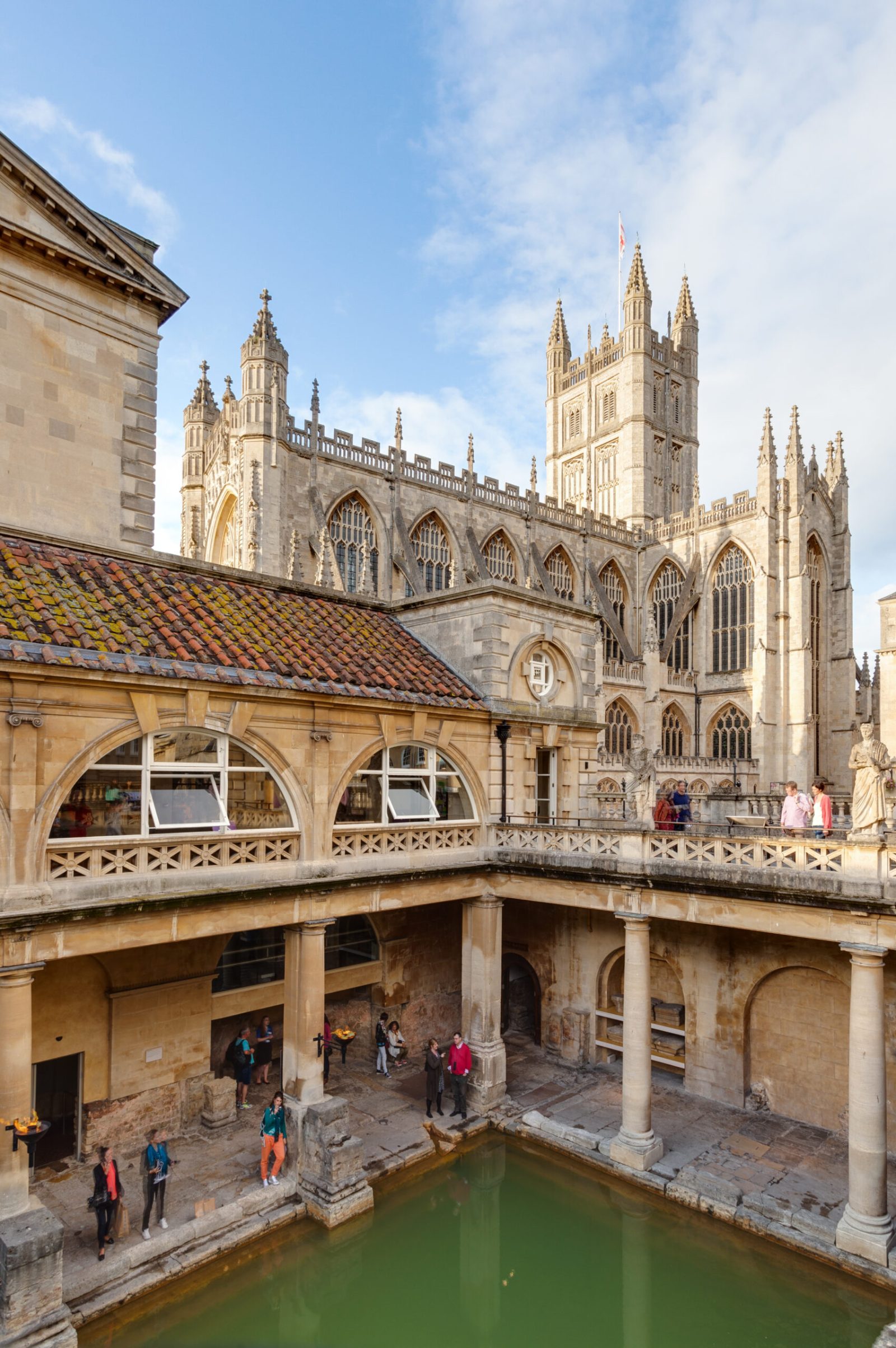
Stand at the stone balustrade overlooking the central pool for the classic view of the green water and surrounding Roman architecture. This iconic angle captures the essence of your bath day trip.
Capture the steaming water and the Abbey tower rising in the background from this elevated position. It provides a unique perspective of Roman stone structures alongside Georgian landmarks.
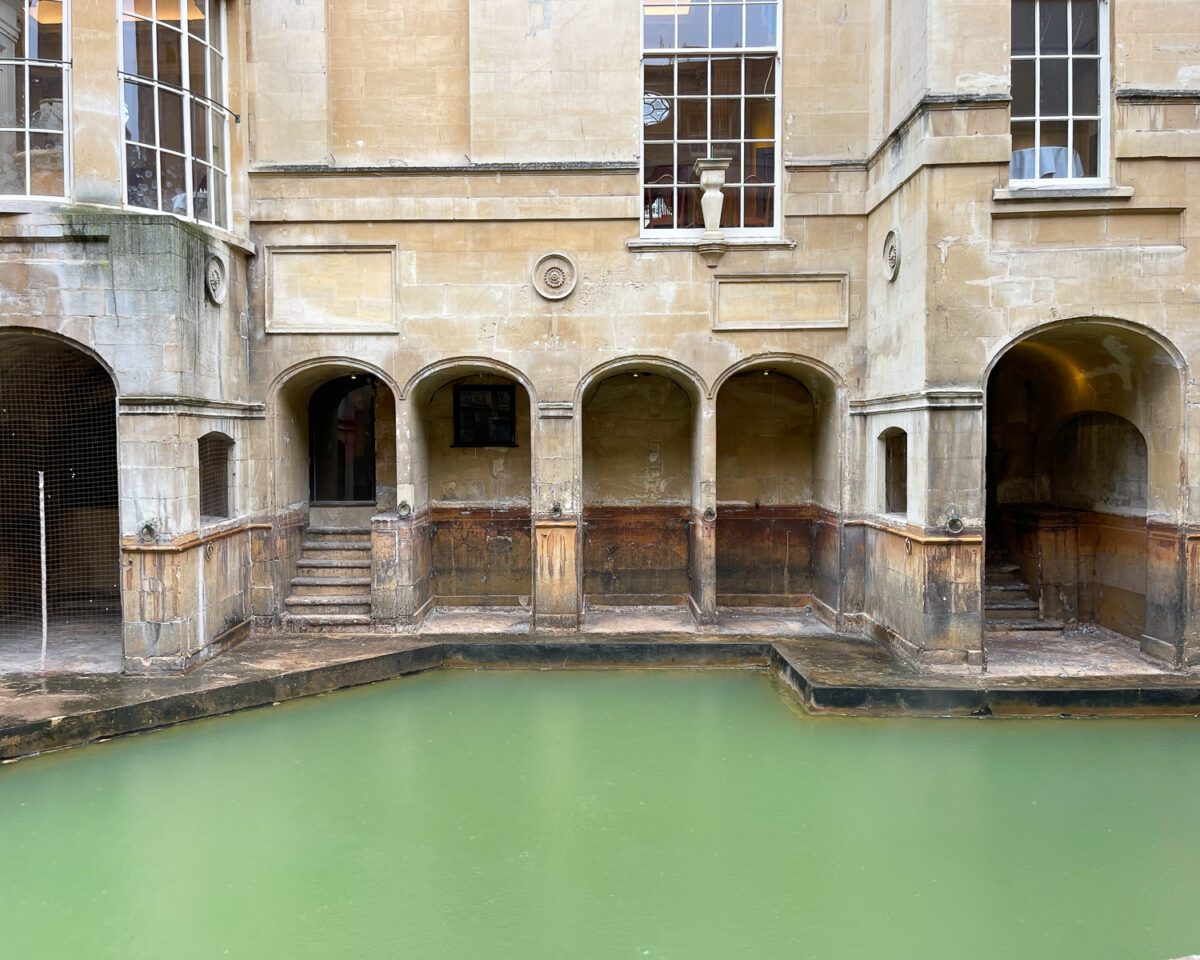
The low arches and golden lighting here create depth and symmetry in your frame. Use a wide lens to emphasize the ancient masonry along these atmospheric walkways.
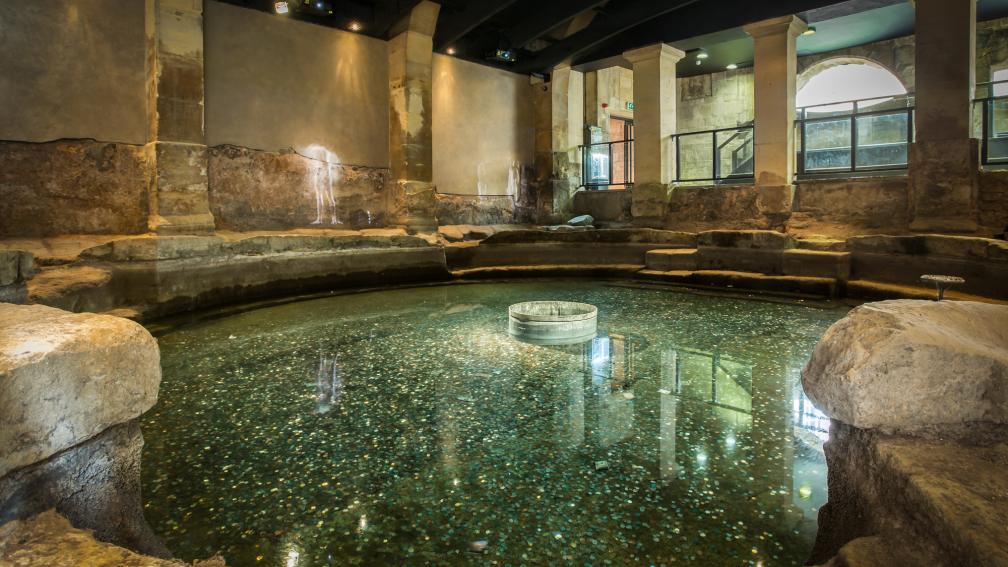
Focus on the water reflections and the surrounding historical ruins in this quieter section of the site. This spot is perfect for those using bath day trip tickets to explore the deeper archaeological layers.
Visitors planning a bath day trip will find a variety of dining options located within moments of the Roman Baths. From iconic historic tea rooms to elegant brasseries overlooking the city's landmarks, the immediate area offers convenient refreshments for those taking a local heritage tour.
Famous for elegant afternoon tea and brunch, this venue provides a quintessentially Georgian experience set under chandeliers near the Roman Baths
Located in one of Bath's oldest houses, this establishment is renowned for its signature large buns and serves as a classic stop for those on bath day trip tours
Situated right by the Abbey, this restaurant offers all-day dining ranging from breakfast to dinner with terrace views, perfect for guests needing a meal between bath day trip tickets
A stylish option near historic sites that serves modern British cuisine throughout the day, ideal for a refined break after a skip-the-line attraction visit
Real experiences from real travelers
We spent our bath day trip exploring the Royal Crescent and Circus before lunch. The honey-colored stone looks extraordinary in morning light. Allow time to wander the side streets between the major landmarks.
Bath is ideal for a single-day visit from London. The Roman Baths took about ninety minutes, then we walked to the abbey and crossed Pulteney Bridge. Everything is within a twenty-minute walk.
The thermal baths are remarkably well preserved. Audio guide provided context we would have missed otherwise. The museum beneath street level reveals the engineering sophistication of Roman Britain.
Arrived mid-morning and covered the main sites comfortably by late afternoon. The Assembly Rooms and Fashion Museum were quieter than the baths. Bath day trip tours often skip these but they're worth including.
The architecture is stunning throughout the city center. We visited on a Saturday and the Roman Baths had a forty-minute queue despite advance bath day trip tickets. Weekday visits would be calmer.
Walking through the actual Roman complex, not just viewing from above, made the history tangible. The spring still flows at 46 degrees Celsius. Combined ticket with the Fashion Museum offers good value.
The city reveals itself best on foot. We followed a bath day trip tour route that connected the Circus, Royal Crescent, and Botanical Gardens in a logical loop. Stopped for cream tea near the abbey.
Jane Austen's Bath is still recognizable in the Georgian terraces and crescents. The scale feels intimate compared to London. We spent an hour at the abbey and were glad we did.
Took the early train from Paddington and had nearly eight hours in Bath. The Thermae Bath Spa rooftop pool wasn't part of our bath day trip plan but would be a worthy addition for a longer stay.
Everything from Roman engineering to Regency elegance concentrated in one walkable city. The Avon riverside walk between the bridges was unexpectedly peaceful. Left wishing we had allocated two days instead of one.
Everything you need to know for your journey
The site is open daily from 09:00–18:00. Please aim to arrive within the recommended window of 09:00–16:00 to enjoy your visit.
Yes, the site provides lift and ramp access for visitors. Some historic areas may have uneven ground.
Small bags are permitted but subject to search. Large suitcases are not allowed on your bath day trip.
Personal photography is encouraged. Avoid using tripods during your visit.
Mid-week mornings are best to avoid peak crowds. Aim to visit between 09:00 and 16:00.
Casual, comfortable attire is perfect. Sturdy walking shoes are recommended for the uneven historic floors.
Food and drink are not permitted in the baths. You may visit the on-site Pump Room for dining.
The site is a short walk from Bath Spa station. Trains provide easy access for a bath day trip.
Yes, the museum offers interactive content for kids. It is an educational stop on any bath day trip.
Standard admission tickets are non-refundable. Please confirm your 29 GBP booking details before purchase.
Yes, you can easily walk to Bath Abbey and Pulteney Bridge. These landmarks are perfect additions to any bath day trip.
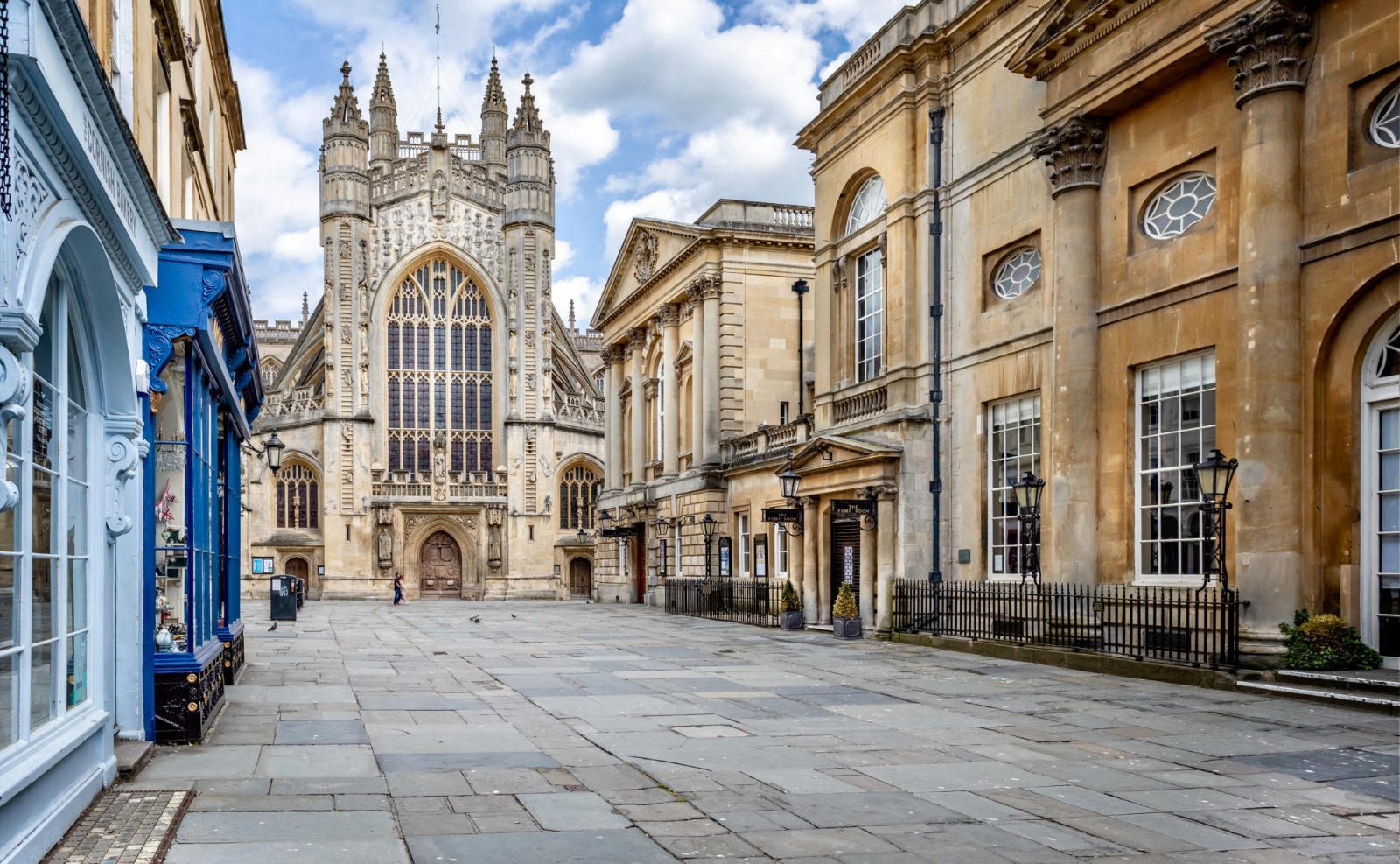
Stunning Gothic architecture adjacent to the baths.
Historic Georgian townhouses forming a circular layout.
Iconic crescent of thirty terraced houses.
Beautiful bridge featuring shops built across it.
High-end hotel located next to the site.
Convenient stay near the main rail hub.
Charming period building near city center.
Join thousands of happy travelers who have discovered this incredible experience
Book Your Experience Now