11 hr
Stonehenge & Bath Day Trip from London
- Expert local guide
- Small group
- Skip-the-line access
- Free cancellation
Bath Day Trip to Stonehenge — Reserved Tours & Multi-Stop Excursions
Five thousand years on Salisbury Plain, ninety minutes from Georgian terraces.
Compare fares, pick the fit — all bookings are mobile-voucher and eligible for free cancellation where shown.
11 hr
11 hr
24 hr
Planning a bath day trip to stonehenge requires selecting the right entry level to suit your schedule and access preferences. Whether you prioritize a simple visit to the Neolithic landscape or an exclusive encounter, choosing between these official options ensures a seamless journey to this iconic prehistoric monument.
| Standard Admission Timed Entry (Digital) | Stone Circle Experience Special Access (Guided) | |
|---|---|---|
| Access Level | Monument access and exhibition | Inner circle access near stones |
| Booking Requirement | Must book time slot | Advance booking essential |
| Included | Shuttle bus and audio guide | Expert-led historical tour |
| Operating Status | 09:30–17:00 daily | Specific scheduled dates |
| Best for | First-time visitors | Deep history enthusiasts |
Verdict: Most travelers opting for a standard bath day trip to stonehenge tour will find the Standard Admission most convenient for general site exploration.
Worth it for history enthusiasts and multi-stop itineraries
A bath day trip to stonehenge delivers access to one of Europe's most significant prehistoric monuments for £32 standard admission, though most visitors from Bath book combined tours that bundle transport, entry, and additional stops like the Cotswolds or Roman Baths. The standalone entrance fee is reasonable given UNESCO World Heritage status and the interpretive exhibition, but travel logistics matter: self-drive takes roughly 90 minutes each way, while organized day tours from Bath eliminate parking hassles and often include expert commentary. The monument itself rewards those interested in Neolithic engineering and solstice alignments, though the roped viewing path means you'll observe the sarsen stones from a distance rather than walking among them. Value peaks when paired with other regional attractions—Stonehenge bath day trip to stonehenge tour packages typically cost £80-120 and compress 5,000 years of history into a single efficient itinerary. For visitors prioritizing Roman and Georgian architecture alone, Bath's own heritage may suffice without the additional travel time.
Bottom line: Book a combined tour if you want to maximize regional coverage; skip it if Roman Bath and Georgian crescents already fill your itinerary.
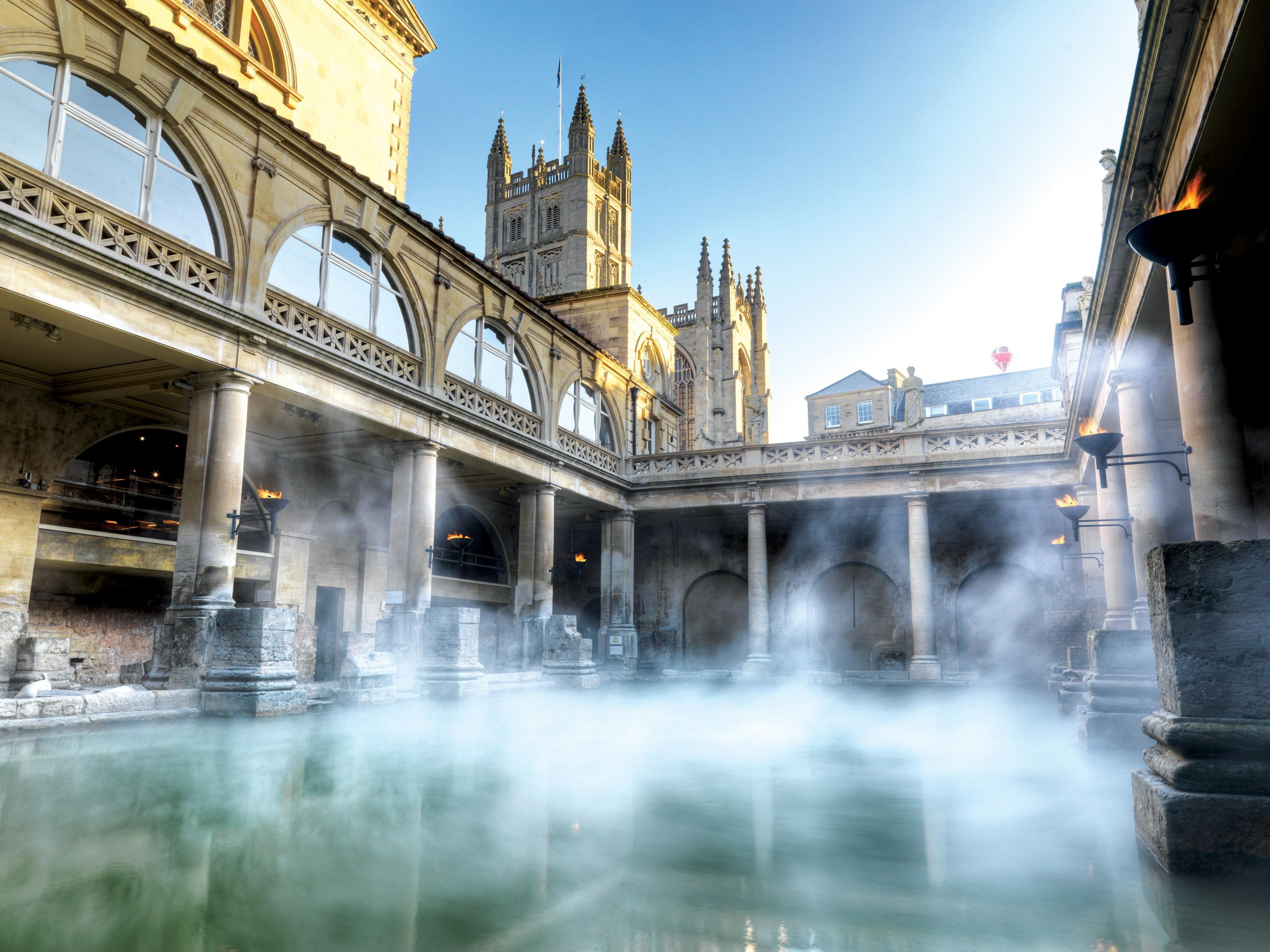
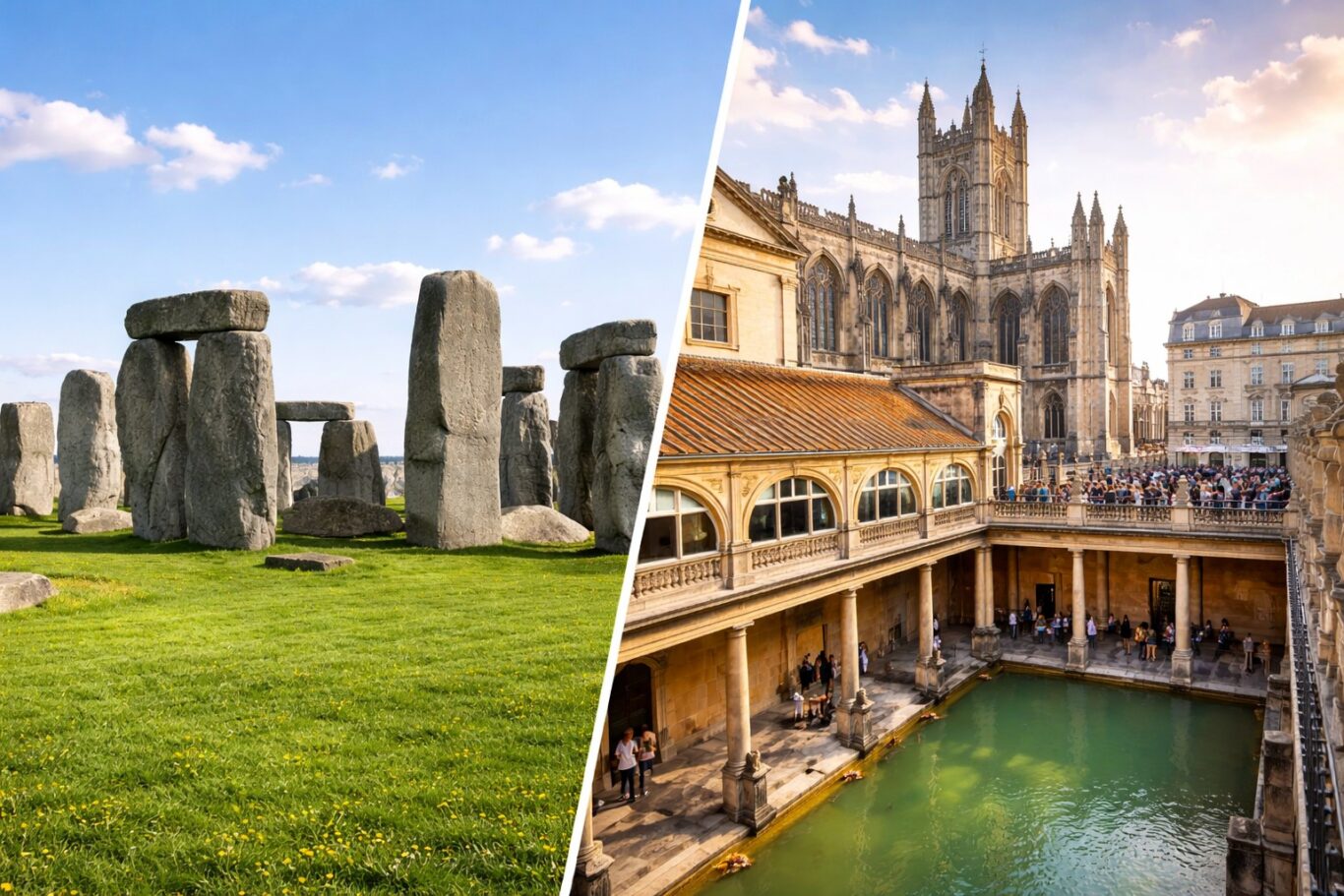
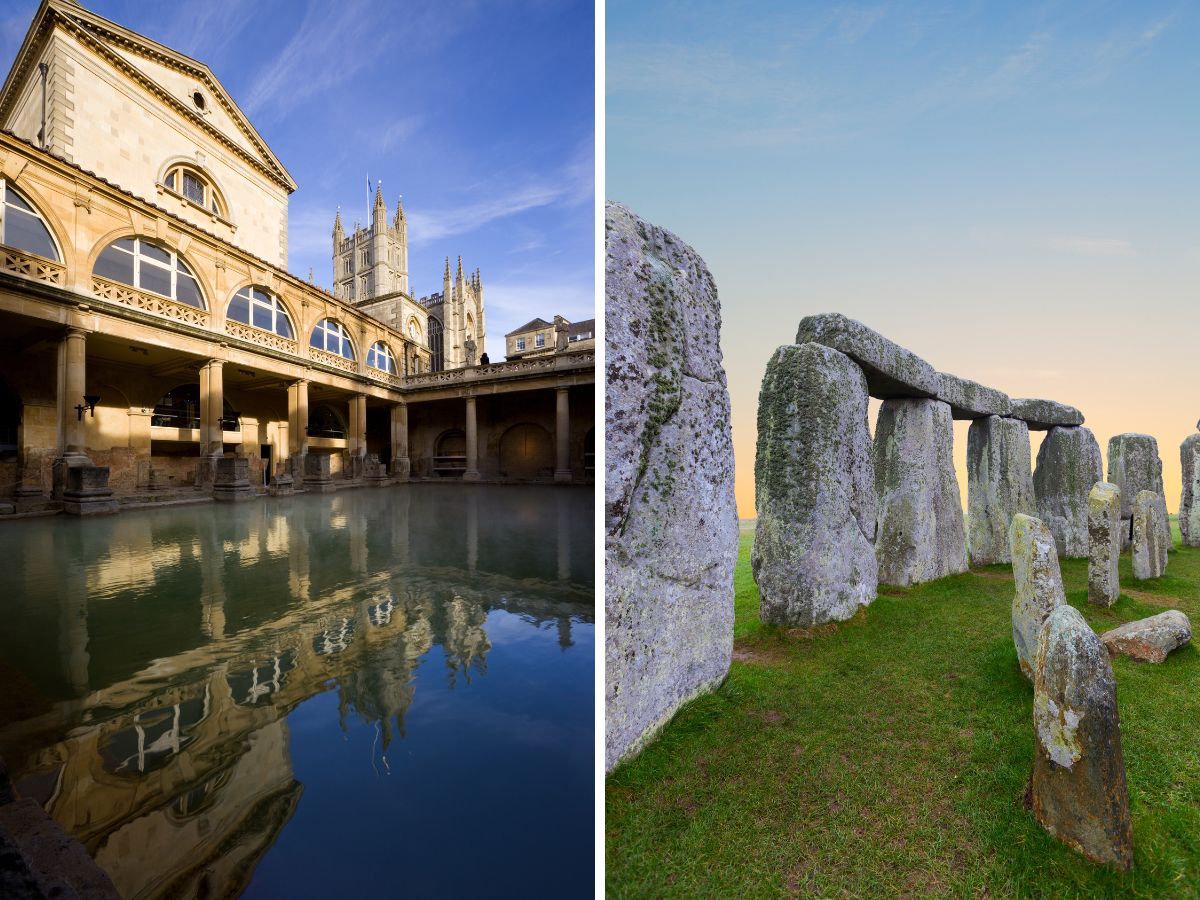
While both are essential Somerset landmarks, the Roman Baths offer a deeper immersion into urban archaeology, whereas a bath day trip to stonehenge tours provide a unique encounter with prehistoric megaliths. Most visitors find that pairing these historic sites offers a more comprehensive perspective on the region's diverse heritage.
|
Top pick Stonehenge Trip |
Roman Baths | |
|---|---|---|
| Primary focus | Prehistoric megaliths and Neolithic landscape | |
| Travel time from Bath | Approx. 1 hour by road | |
| Standard adult price | 32 GBP (standard adult gate price, includes donation) | |
| Opening hours | 09:30–17:00 daily | |
| Ideal visit duration | 1.5–3 hours | |
| Best arrival window | 09:30–12:00 | |
| Primary activity | Guided walking and audio tour | |
| Location context | Salisbury, Wiltshire | |
| See tickets & prices |
Verdict: Choosing between these experiences depends on whether you prefer the outdoor mystery of ancient stone circles or the architectural sophistication of a well-preserved bath day trip to stonehenge tour.
Hand-picked experiences loved by thousands of travelers
11 hours
Free Cancellation
Discover two UNESCO World Heritage Sites in one unforgettable day with luxury coach travel and expert commentary
10 hours
Free Cancellation
Discover England's ancient mysteries and Georgian elegance on a guided coach journey to two iconic sites
4 hours
Free Cancellation
Journey through Wiltshire's countryside to explore the iconic ancient monument with two hours onsite
9 hours
Free Cancellation
Journey through England's countryside to ancient stone circles and charming villages on this full-day tour
12 hours
Free Cancellation
Journey to two UNESCO sites in one day: the ancient stone circle and Georgian Bath's elegant streets
10 hours
Free Cancellation
Explore three iconic English landmarks in one unforgettable day from London's city center.
11 hours
Free Cancellation
Discover ancient stones and Georgian elegance on a full-day coach journey through England's heritage.
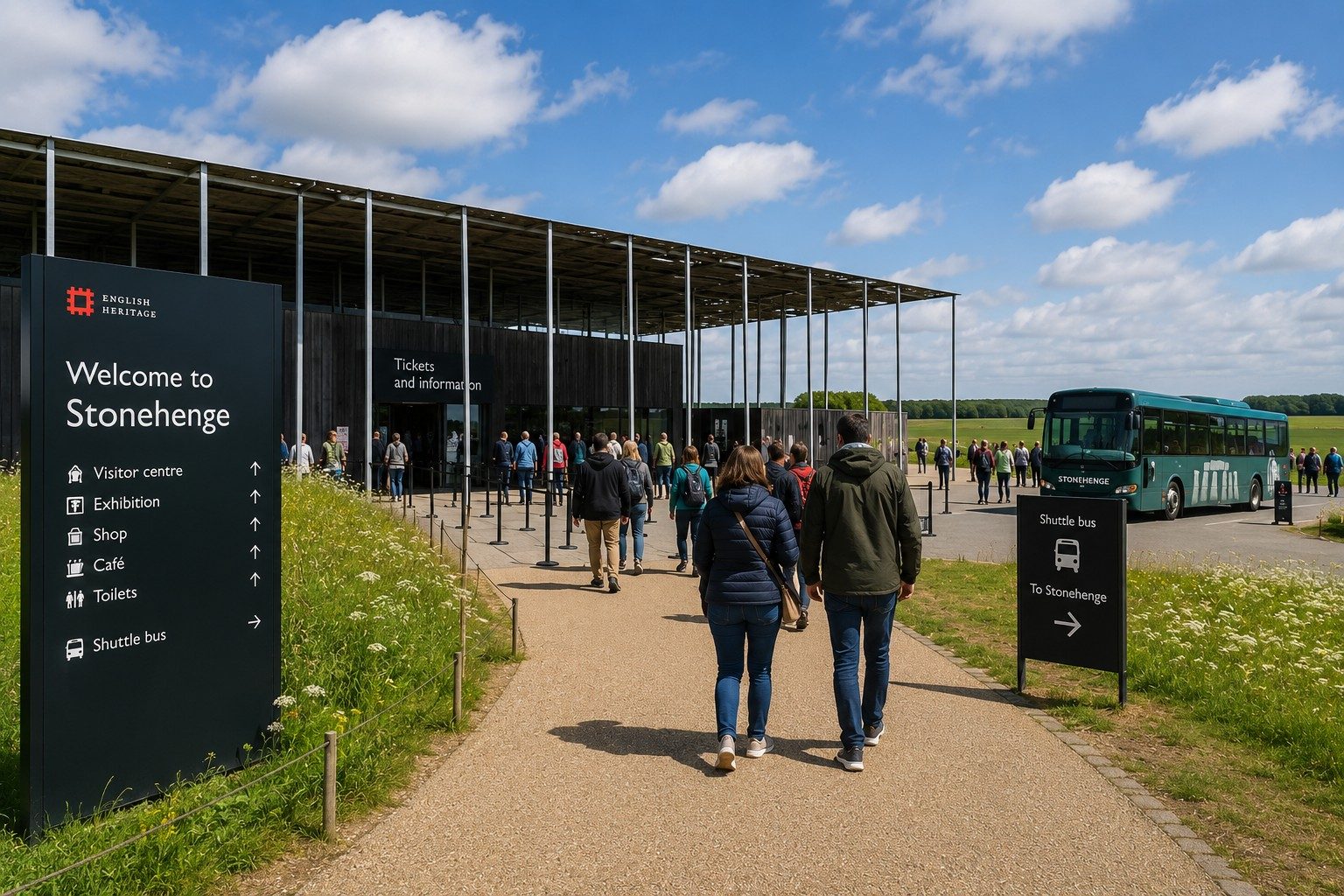
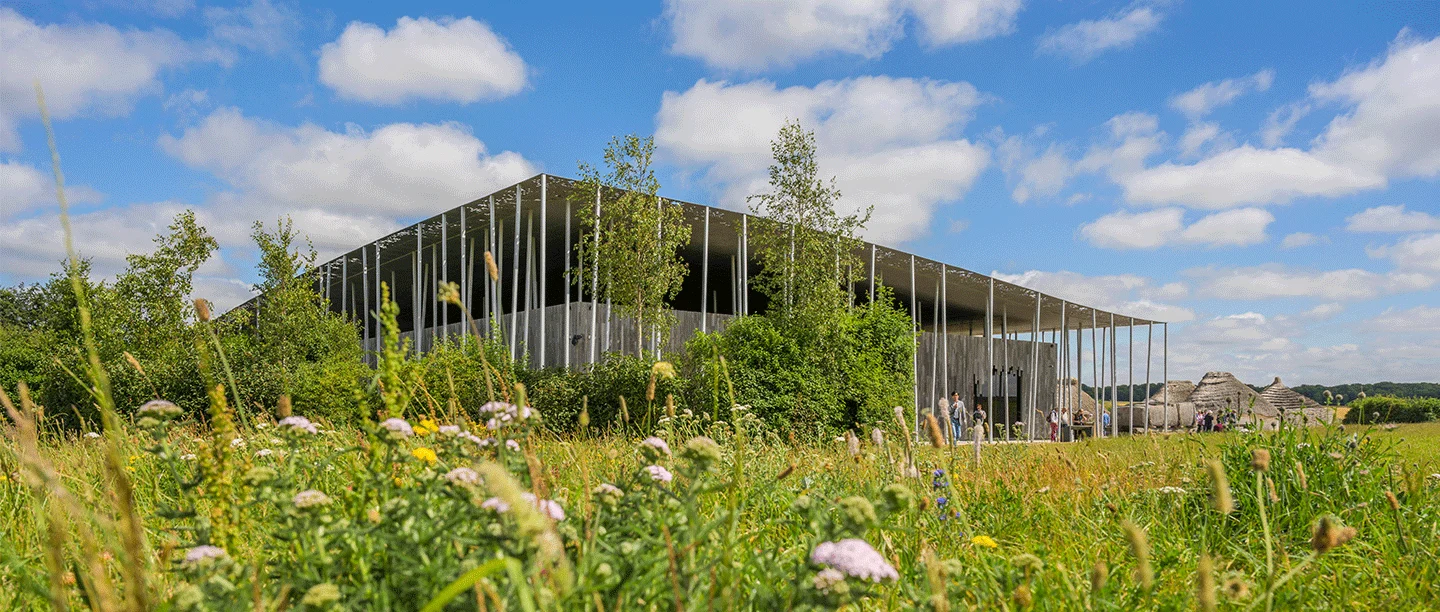
Arrival at visitor centre and ticket validation
Shuttle bus transit to the stone circle
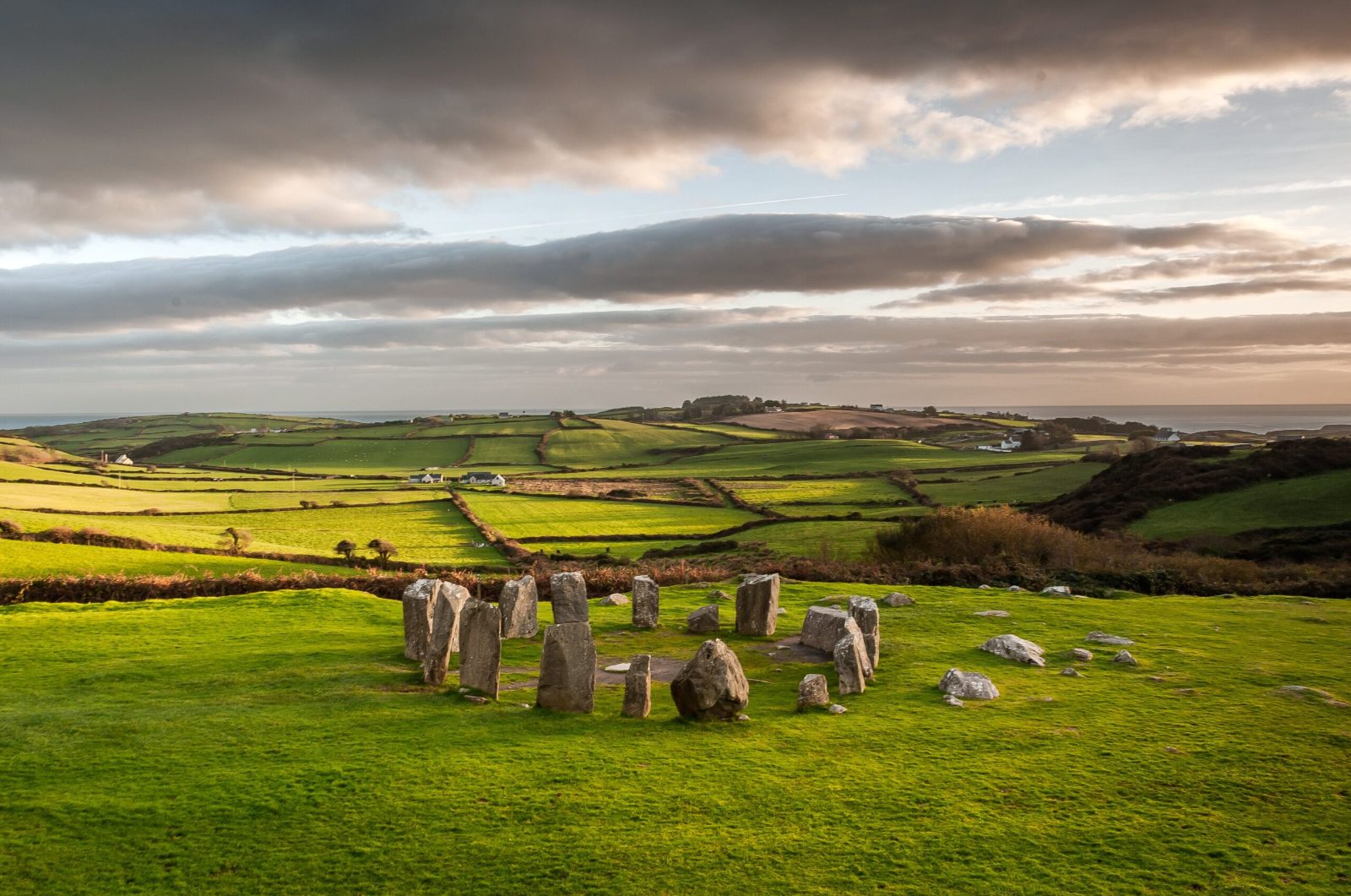
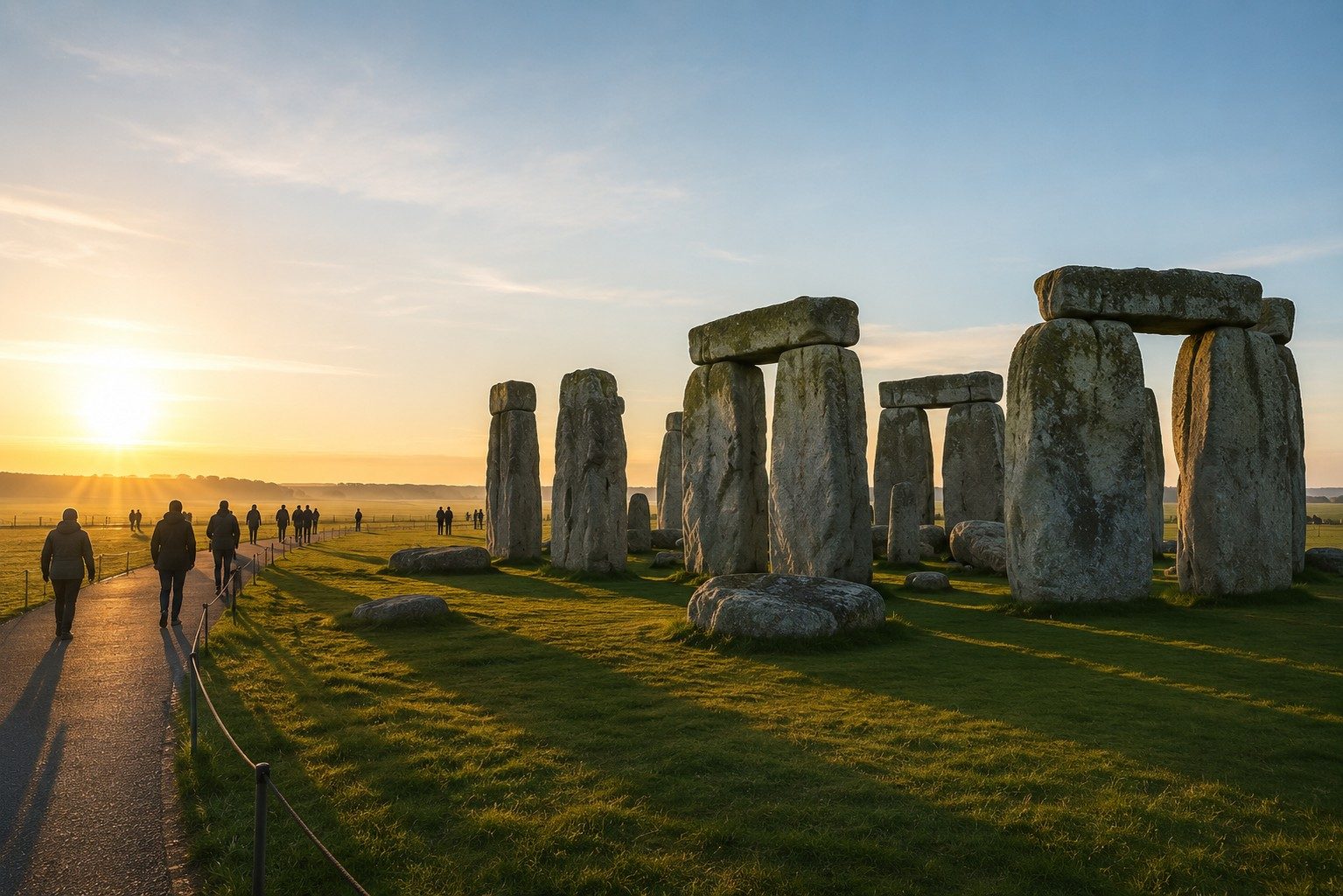
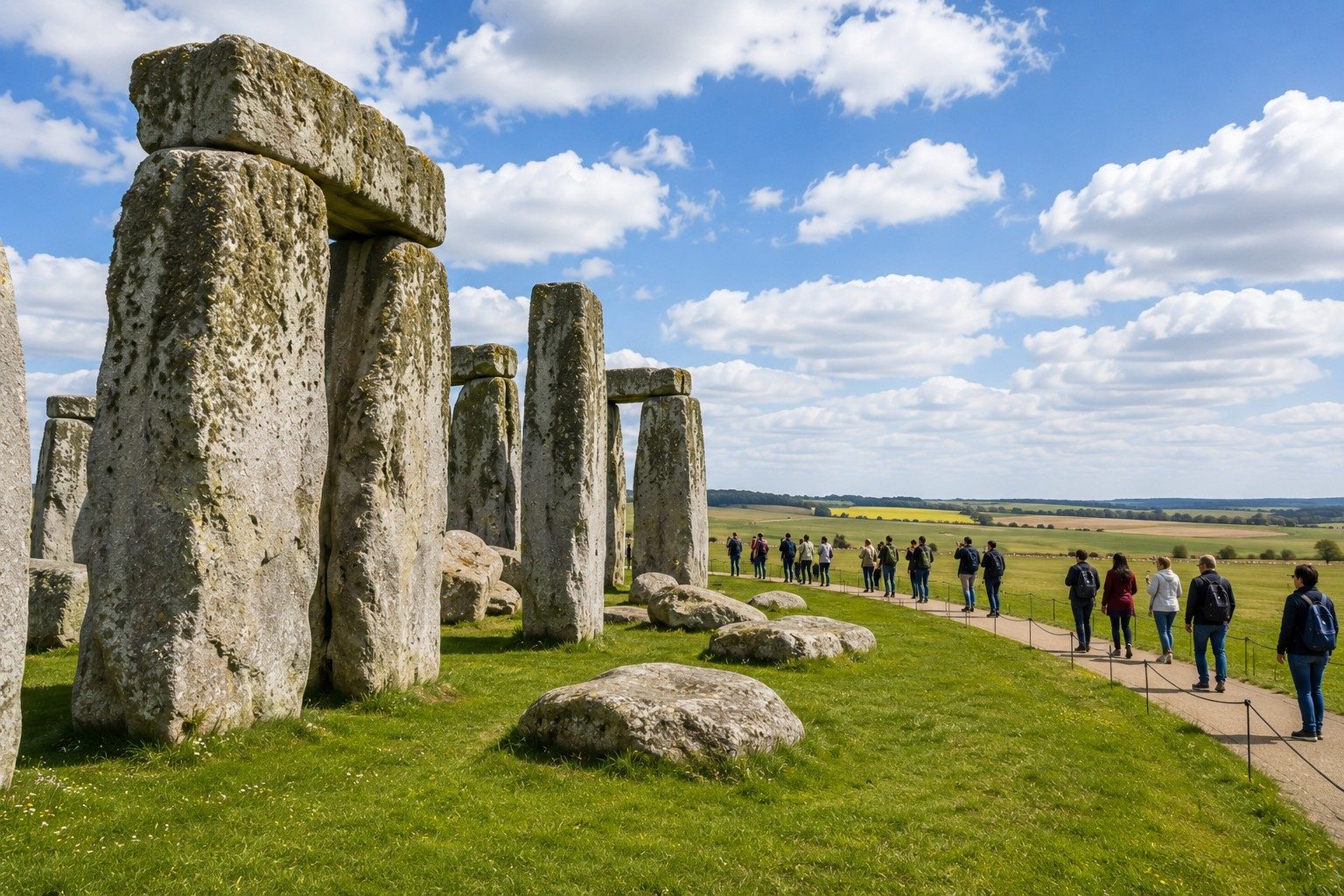
Walk the circle and view the stones
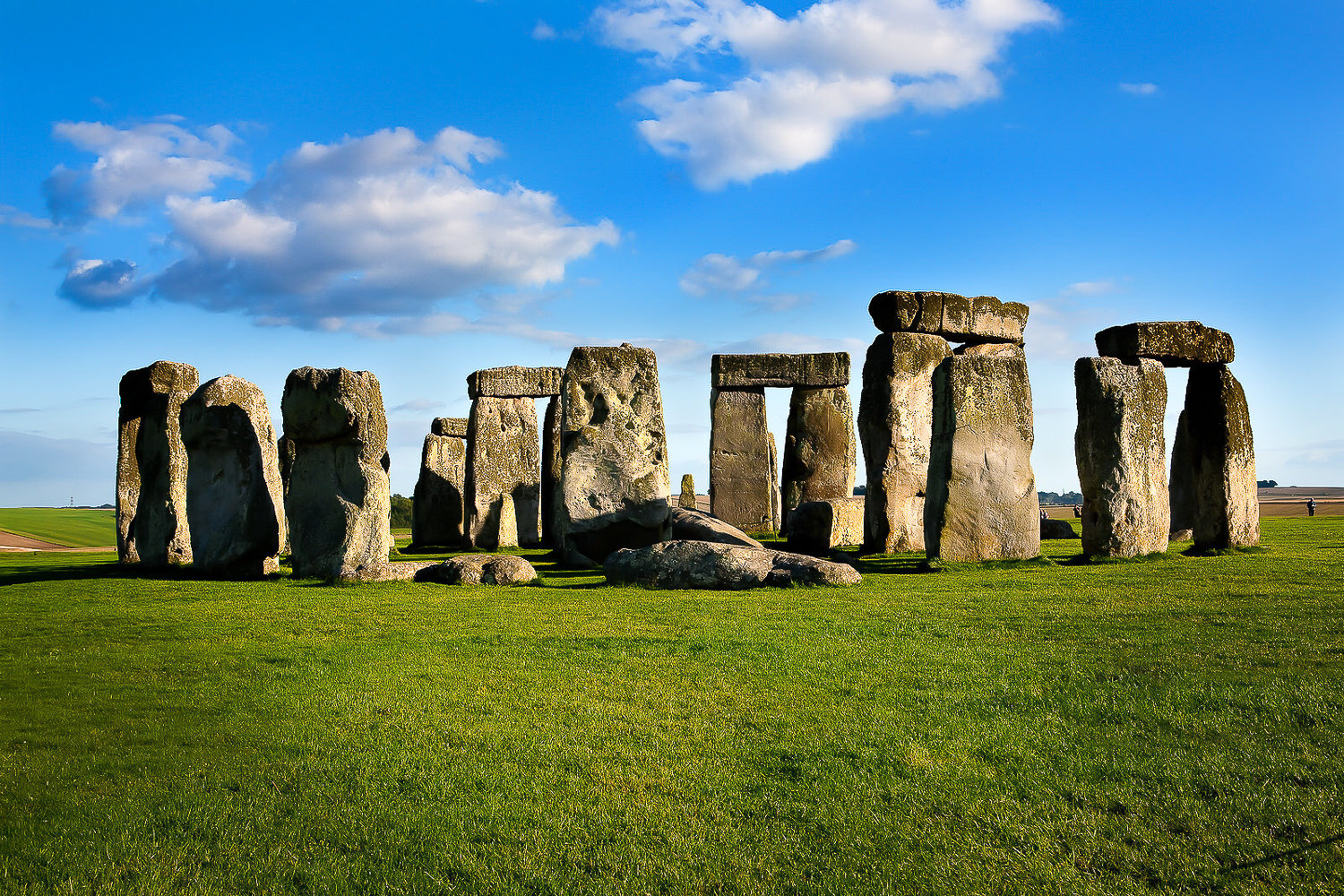
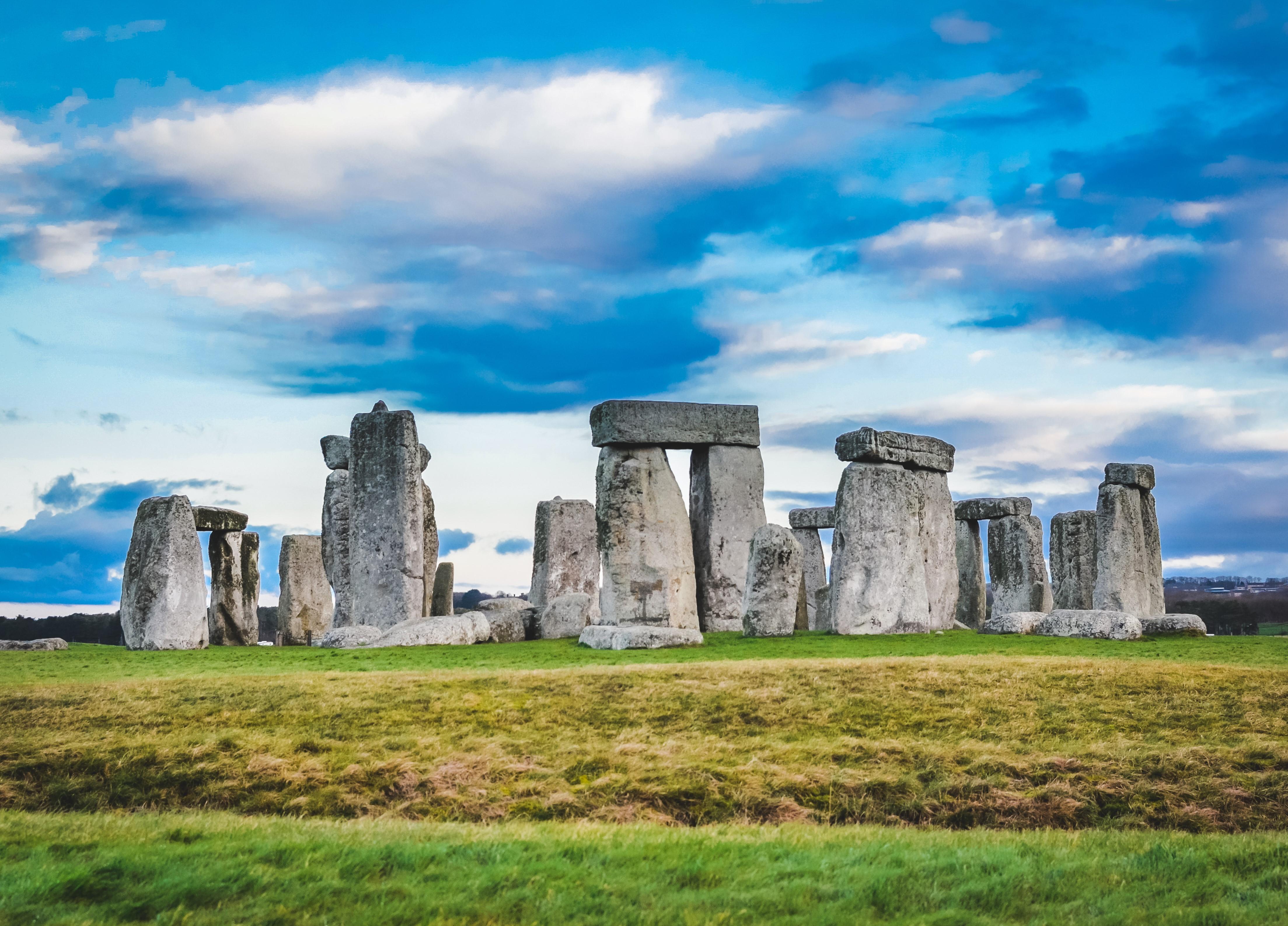
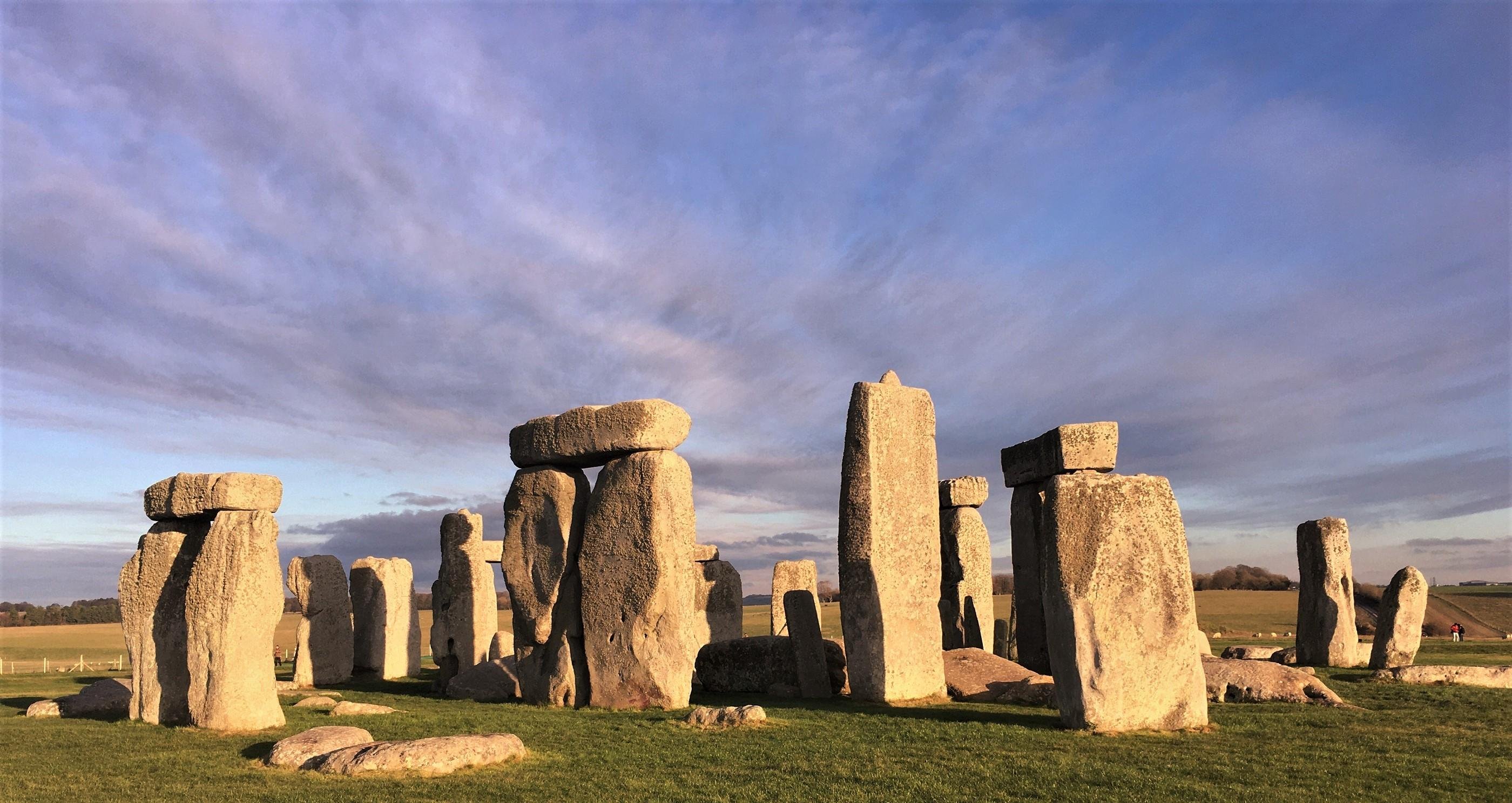
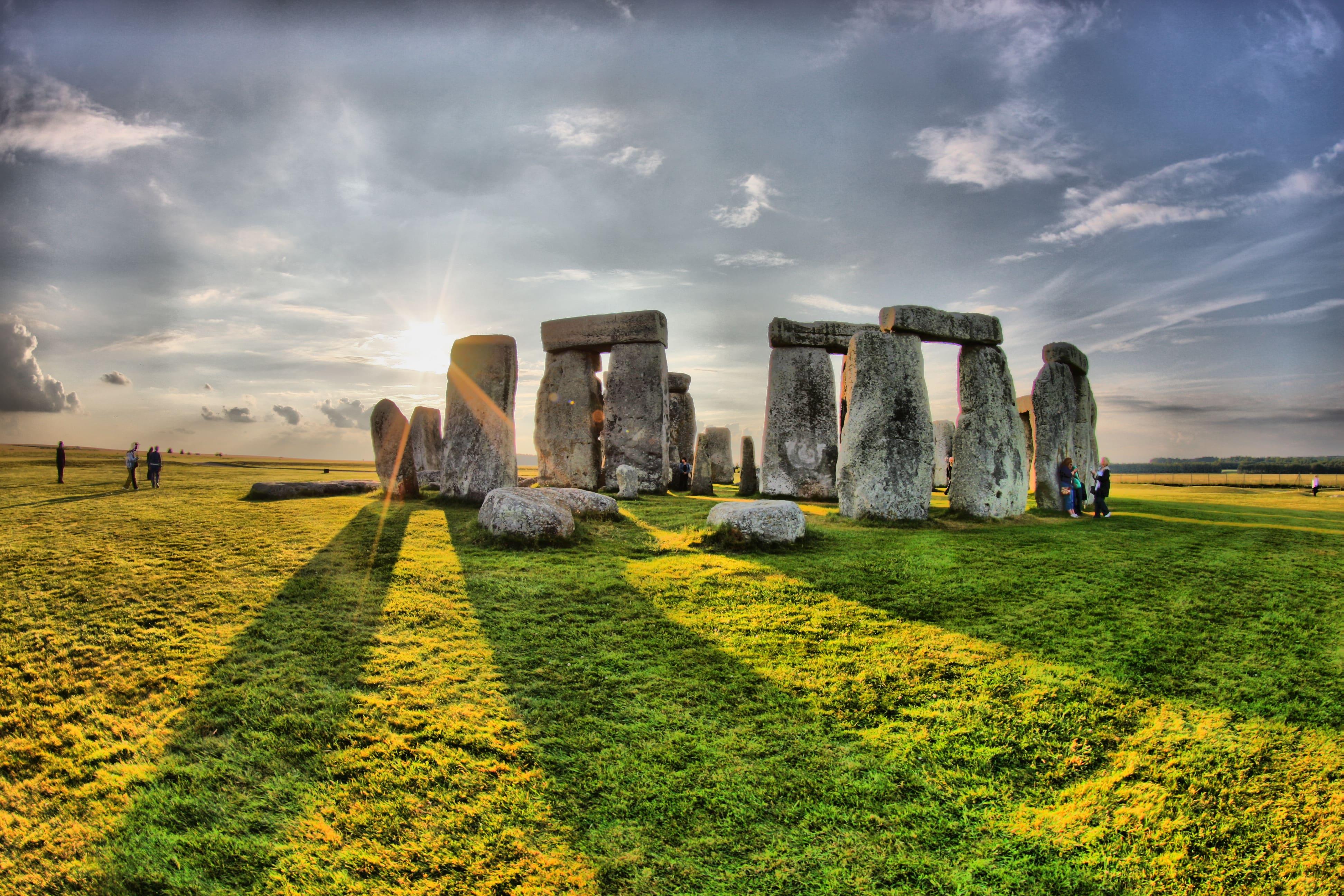
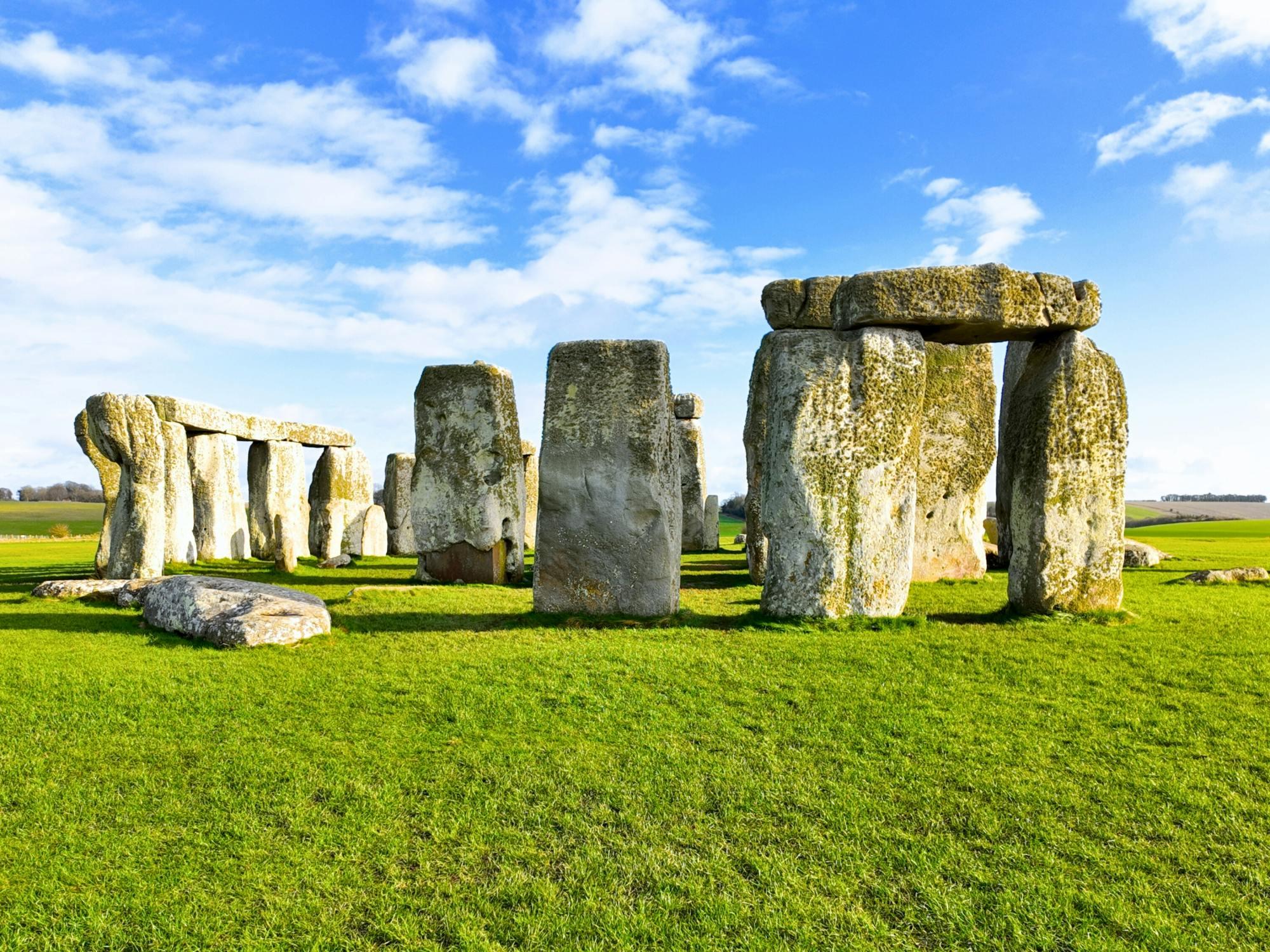
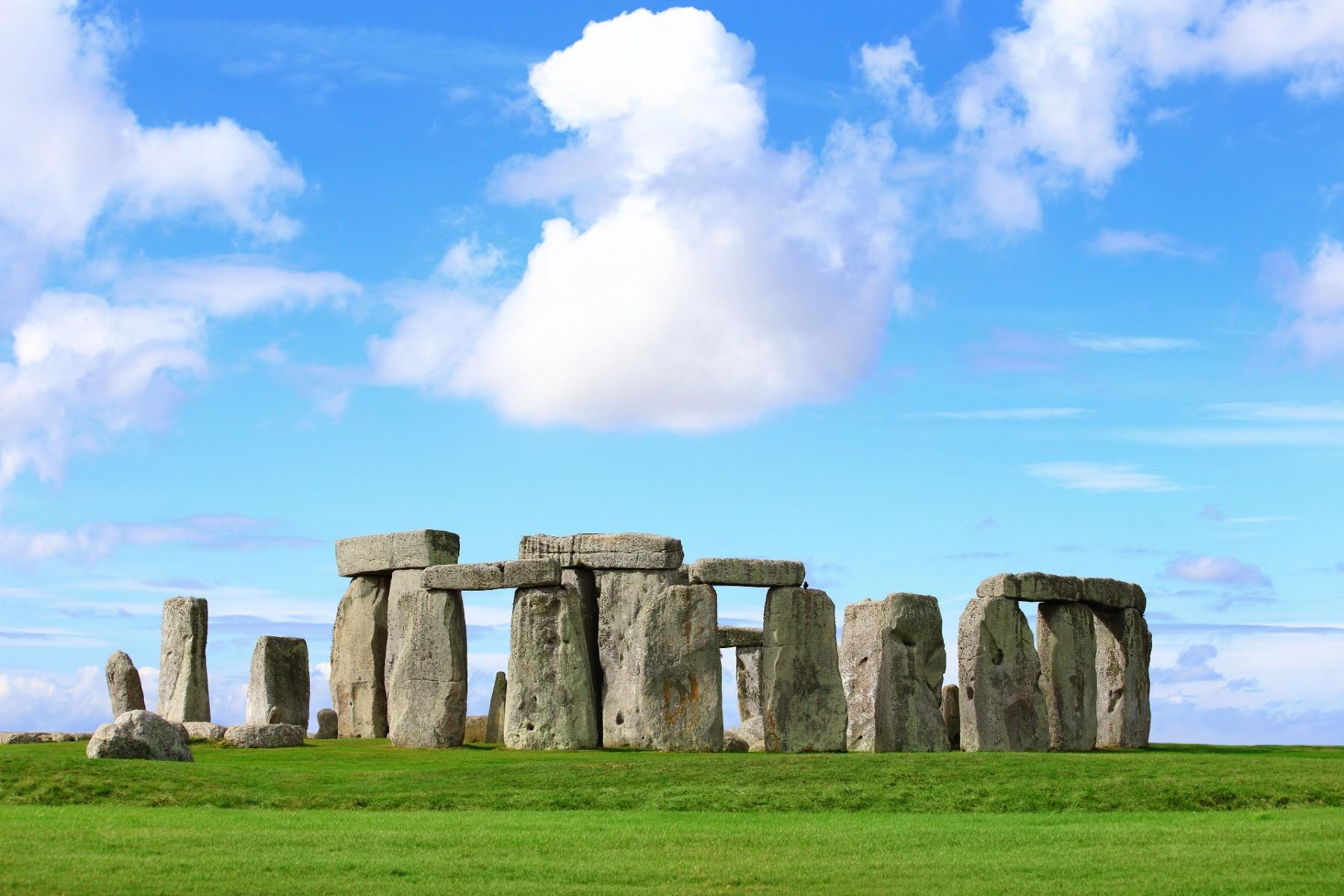
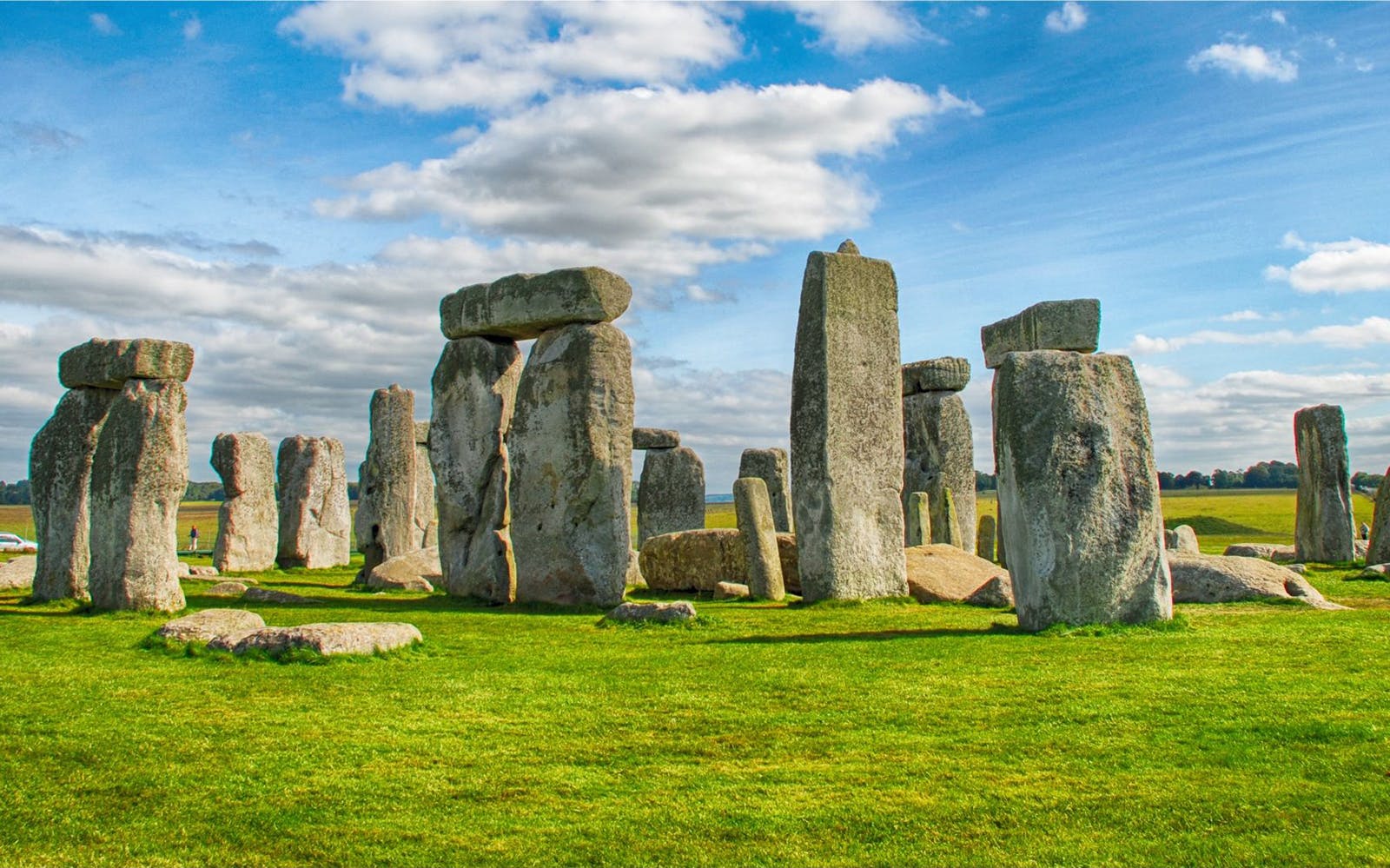
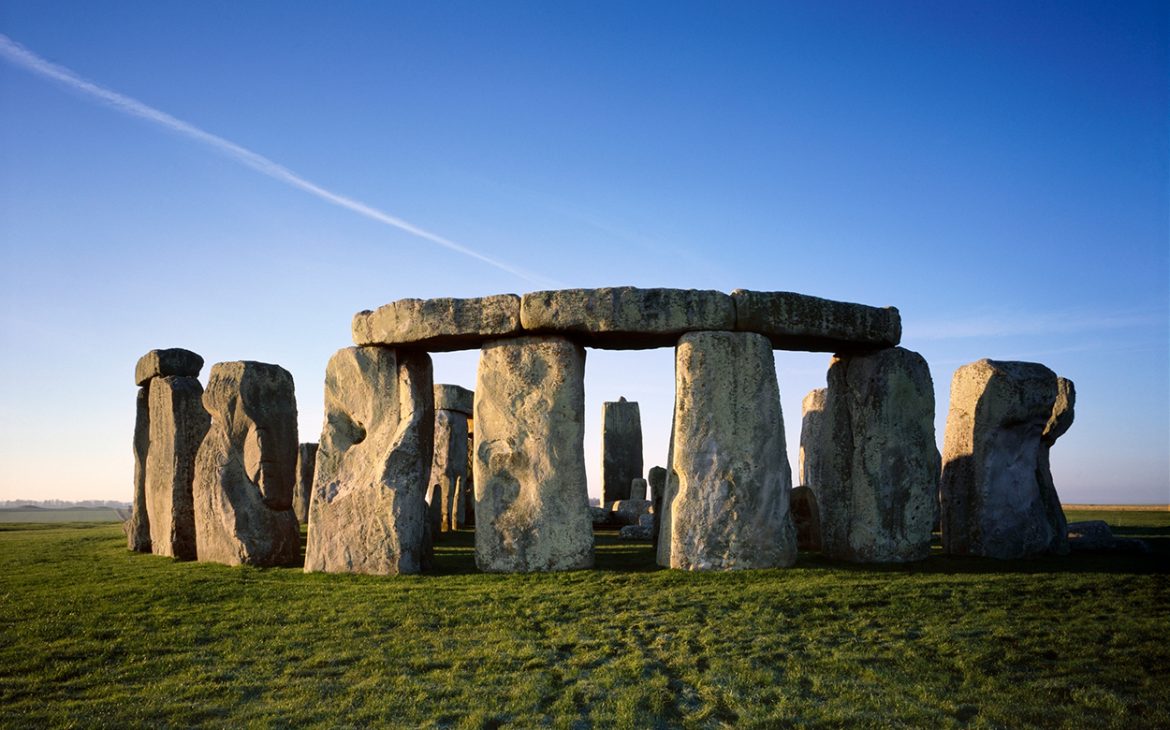
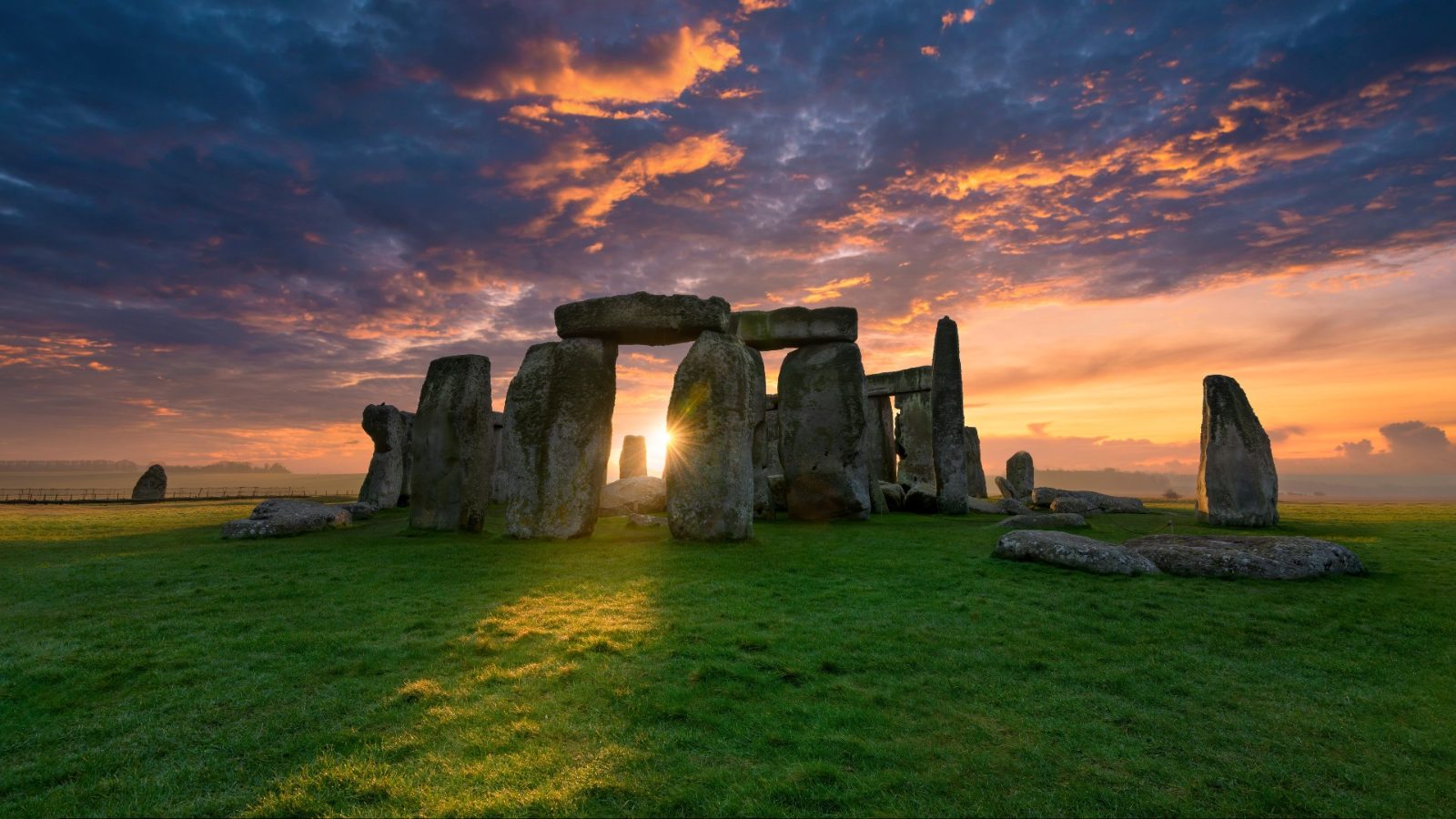
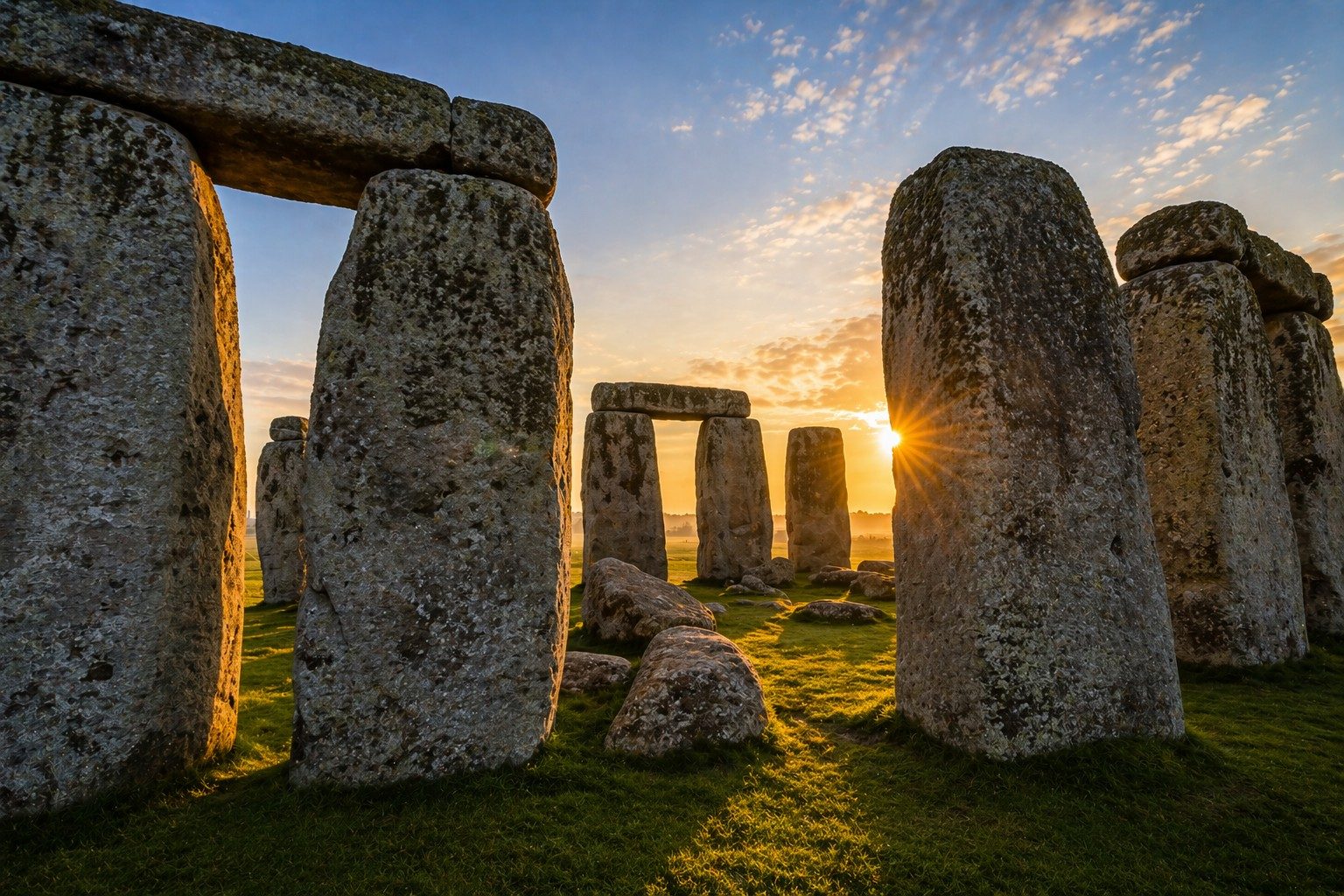
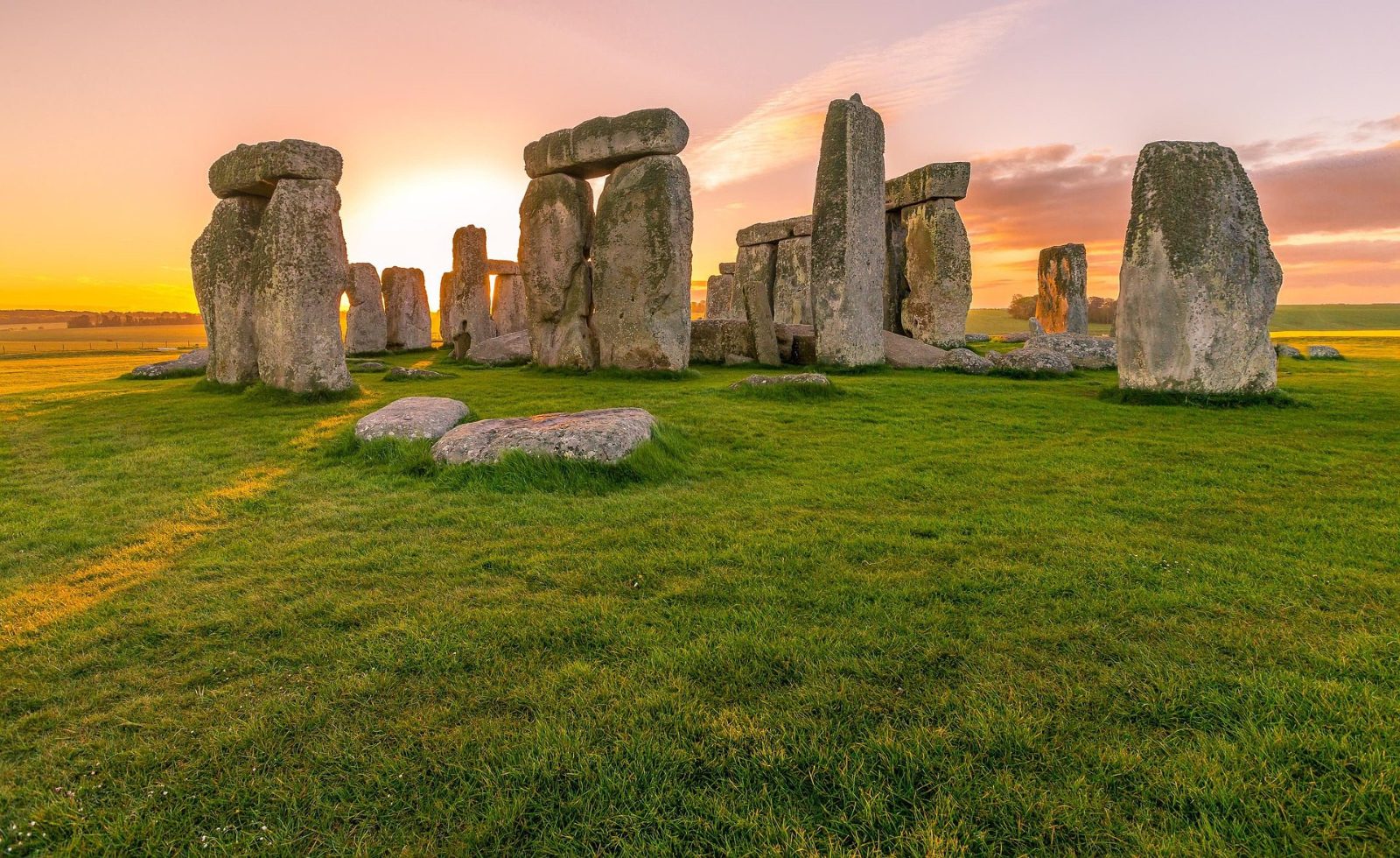
The iconic arrangement of Neolithic sarsen stones and smaller bluestones weighing up to 25 tons.
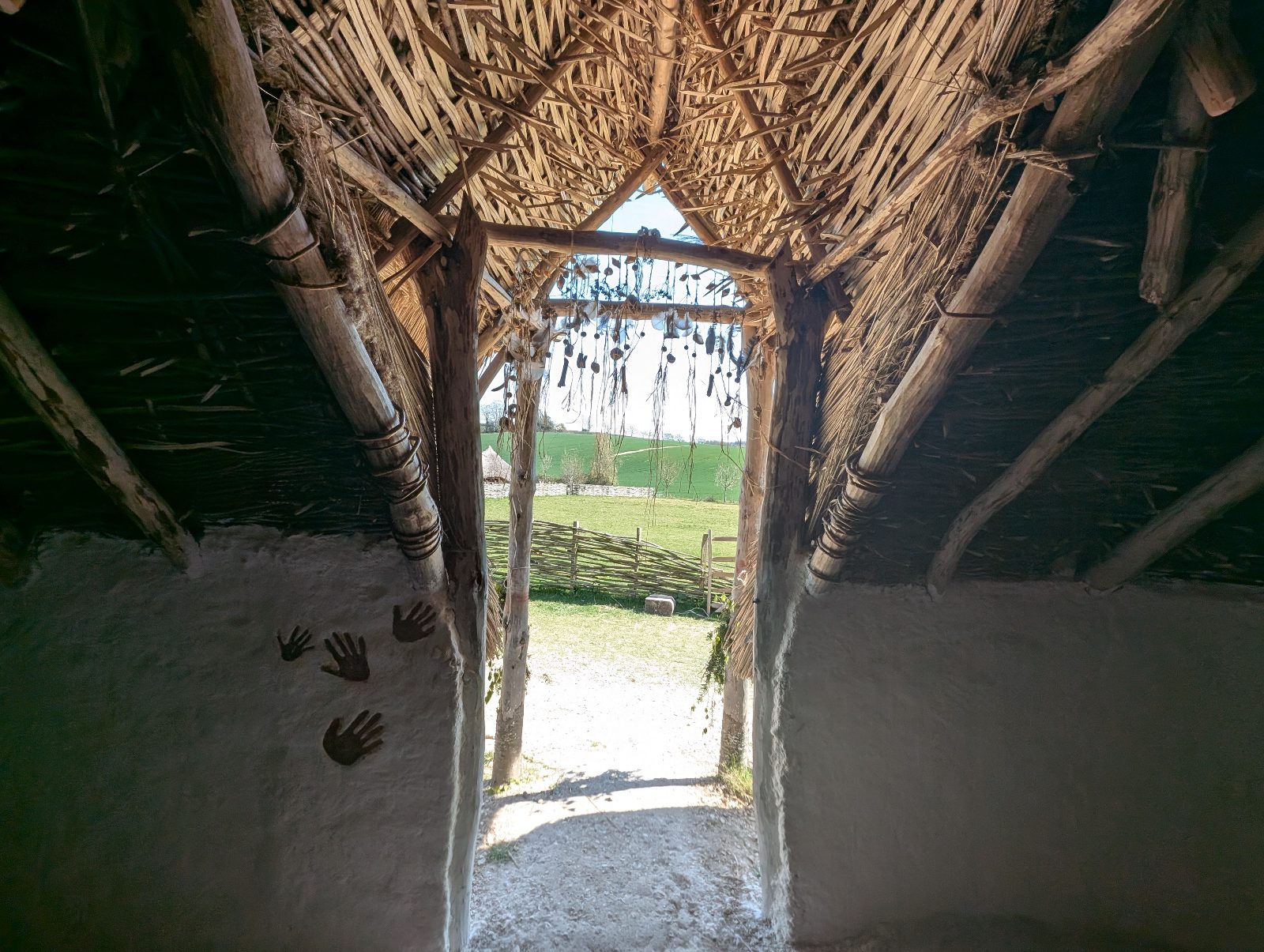
Reconstructions of dwellings based on archaeological evidence found nearby.
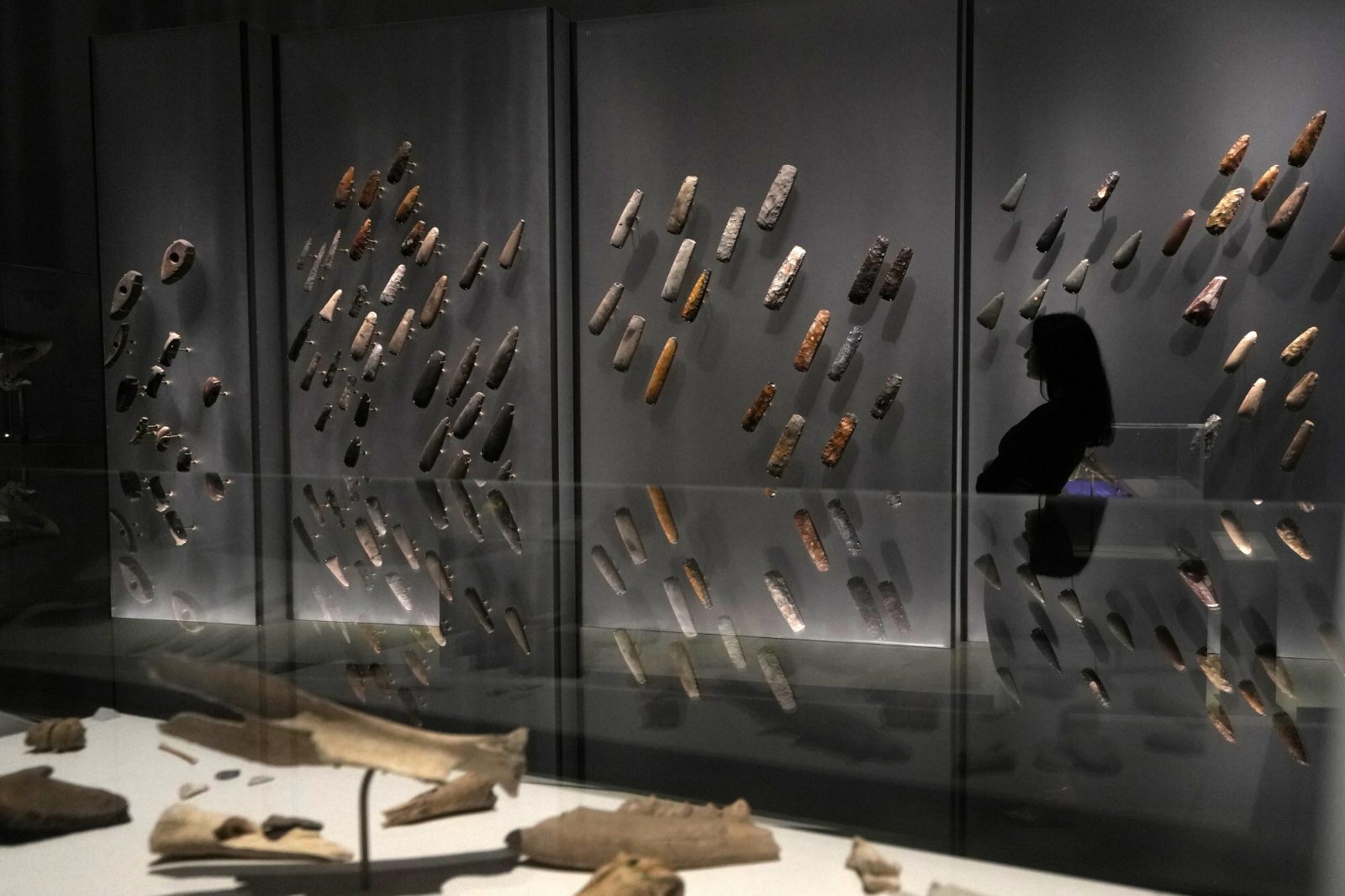
Features over 250 prehistoric objects and a facial reconstruction of a Neolithic man.
A massive Neolithic monument stretching 3km across the landscape.
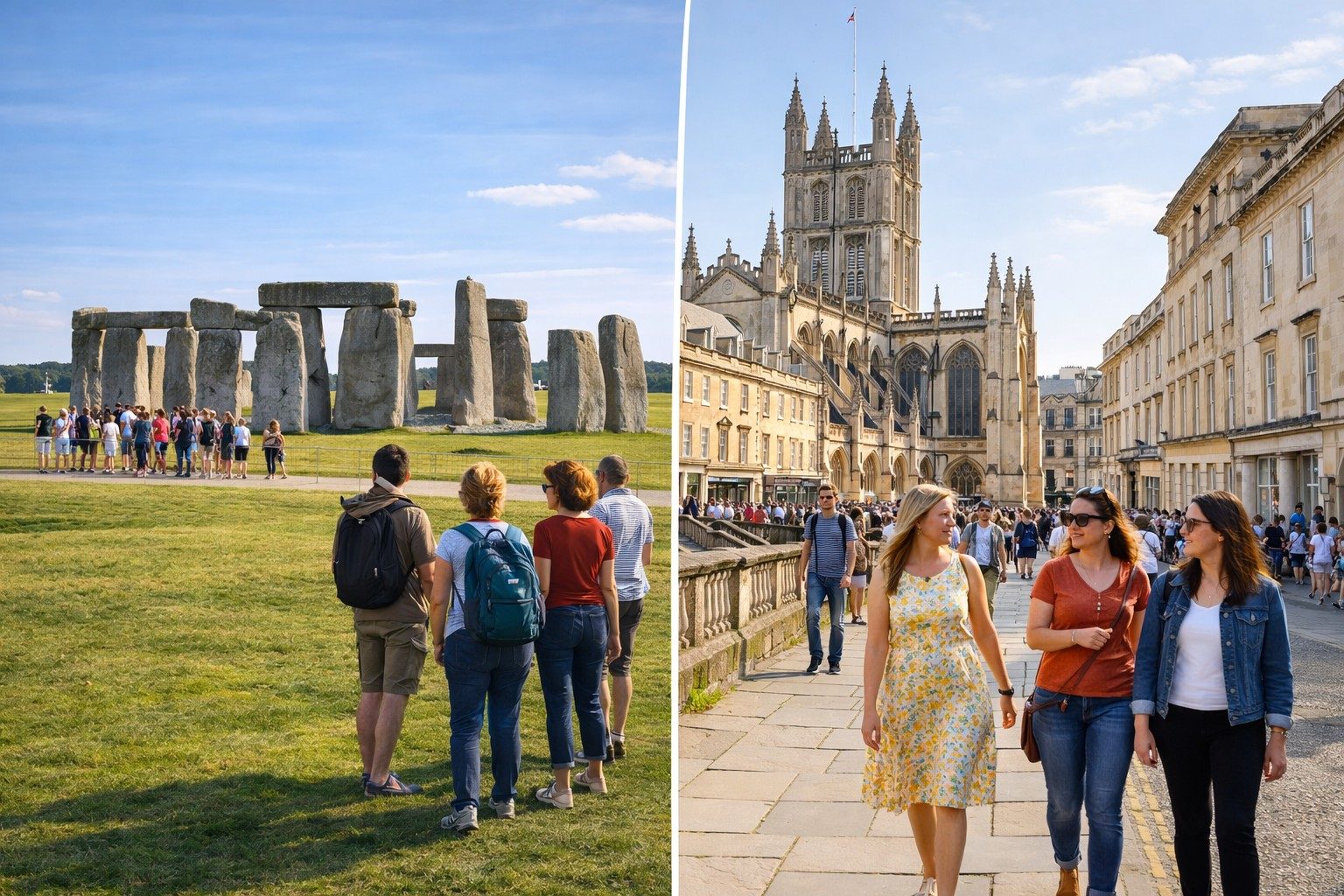
You leave Bath mid-morning, the M4 corridor giving way to chalk hills and scattered beech copses as the coach crosses into Wiltshire. Ninety minutes later you step into the visitor centre, a low-slung structure half-buried into the slope, where Neolithic tools and pottery shards fill illuminated cases.
The audio guide syncs to GPS coordinates; you board the shuttle and roll across open grassland, the stones appearing incrementally — first as grey notches on the horizon, then as full monoliths framed against cloud.
The perimeter path circles the monument at a respectful fifteen-metre radius. You walk clockwise, the sarsen trilithons rotating through perspective: broad faces, then slender profiles, then the gaps between lintels where sky interrupts stone. Rooks nest in the nearby tree line; the only sound is wind and footsteps on compacted chalk. You pause at the northeastern quadrant, where the Heel Stone marks the midsummer sunrise axis, and again at the southern arc, where fallen bluestones rest in the grass like broken vertebrae. The scale is deceptive — up close, the stones' surfaces reveal tool marks and lichen colonies centuries old.
Back at the visitor centre, reconstructed roundhouses stand in a paddock: wattle-and-daub walls, thatched roofs, smoke-blackened interiors furnished with hide bedding and flint scrapers. You walk through one, head ducked beneath roof beams, and emerge into daylight. The coach returns to Bath by late afternoon, the stones receding into the plain.
All the details about your upcoming adventure in one place
The sarsen stones at Stonehenge weigh up to twenty-five tonnes each, yet were transported from Marlborough Downs twenty-five kilometres away around 2500 BCE — a feat requiring timber sledges, rope, and hundreds of hands.
The smaller bluestones, sourced from the Preseli Hills in Wales nearly three hundred kilometres distant, point to Bronze Age networks of trade and belief that spanned the island. What began as a Neolithic earthwork evolved over fifteen centuries into the stone circle visible today, aligned with the solstice sunrise and encoding astronomical knowledge that predates written language. The monument's purpose remains contested — temple, burial ground, healing sanctuary, celestial observatory — but its cultural weight is undisputed, drawing over a million visitors annually to the Salisbury Plain.
A Bath day trip to Stonehenge bridges two distinct layers of English heritage: Georgian urbanism and prehistoric ritual landscape. The ninety-minute southward journey crosses Wiltshire farmland to a site that has anchored human imagination since the third millennium BCE. English Heritage manages the circle under strict conservation protocols; the visitor centre, opened in 2013 and positioned two kilometres from the stones, houses Neolithic artefacts recovered during twentieth-century excavations, including deer-antler picks and polished stone axes. Permanent exhibitions explore construction theories, from roller-log transport to water-raft hypotheses, grounded in experimental archaeology conducted at nearby test sites. Access to the inner circle is restricted to special-access tours booked months in advance, though the perimeter path offers unobstructed views across the monument's full circumference.
The landscape context defines the experience. Stonehenge sits within a ceremonial complex that includes the Avenue processional route, Durrington Walls settlement remains three kilometres northeast, and over three hundred burial mounds scattered across the chalk downland. The stones stand exposed on open grassland, their silhouette unchanged since John Constable sketched them in eighteen-twenty-nine, though modern infrastructure — the A303 trunk road passes within three hundred metres — periodically sparks debate over tunnel proposals. Visiting from Bath allows pairing the monument with Roman-era sites in the city itself or extending into the Cotswolds villages to the north, creating a chronological arc from prehistory through imperial occupation to medieval market towns. The standard adult entrance fee of thirty-two pounds includes an audio guide available in ten languages, shuttle transport from the visitor centre, and access to reconstructed Neolithic houses that contextualise domestic life during Stonehenge's active centuries.

The sarsen stones weigh up to twenty-five tonnes each, yet were transported from Marlborough Downs twenty-five kilometres away around 2500 BCE.
The site is an open-air monument located on Salisbury Plain where weather conditions change rapidly. Visitors taking a bath day trip to stonehenge should wear sturdy footwear and appropriate outdoor clothing.
Bags are subject to security searches upon arrival at the visitor centre. Large luggage items are not permitted near the stones for safety and preservation reasons.
Personal photography is permitted for non-commercial use throughout the monument field. Using tripods or drones requires prior written authorization from English Heritage.
The site provides interactive exhibitions at the visitor centre suitable for all ages. Pushchairs are permitted, though the outdoor path around the stones is best navigated with a carrier.
A shuttle service operates from the visitor centre to the stones for visitors with limited mobility. The paths around the monument are gravel and can be uneven.
Consumption of food and drink is restricted to designated picnic areas and the onsite café. Bringing a bath day trip to stonehenge tour lunch is permitted provided all waste is disposed of in bins.
Opening Hours
09:30–17:00
Address
Salisbury, Wiltshire SP4 7DE, United Kingdom
Site Access
Partial accessibility on grass paths
Arrival
09:30–12:00
Storage
Limited locker facilities available
Navigation
Stonehenge site map provided at entrance
Public transport · 1h 30m total · Variable
Take the train to Salisbury station followed by the dedicated Stonehenge Tour bus.
Car · 60 min · Included in price
Follow signs for SP4 7DE via the A303; parking must be booked with your bath day trip to stonehenge tickets.
Standard entrance tickets include a donation and are non-refundable. Cancellations or rescheduling requests must be handled via the English Heritage booking portal.
Recommended time
2-3 hours
A bath day trip to stonehenge typically requires 2-3 hours to fully appreciate the Neolithic stone circle and exhibition center. We recommend the best arrival window of 09:30–12:00 to ensure sufficient time to explore the site before closing, as many travelers choose bath day trip to stonehenge tours that coincide with midday peak coach arrivals. Securing bath day trip to stonehenge tickets in advance helps bypass secondary queues at the visitor center, allowing you to prioritize the shuttle ride to the monument itself.
Crowd levels through the day
Weather · crowds · average price — dots go green to amber to red as each metric rises.
Mild temperatures and blooming flora make this an ideal time for a bath day trip to stonehenge. Crowds are moderate compared to peak summer months.
Expect the highest visitor numbers, especially during weekends. Early morning arrival is essential for a comfortable bath day trip to stonehenge tour experience.
Cooler air and autumn foliage create a dramatic backdrop for photography. This season is perfect for those planning their bath day trip to stonehenge tickets in advance.
The site is quietest during these months, though outdoor conditions are cold. Ensure you dress warmly for your bath day trip to stonehenge visit.
Secure your bath day trip to stonehenge tickets online at least two weeks prior to your visit. This ensures your preferred entry slot during the busy 09:30–12:00 window.
Download the English Heritage audio guide before arriving. It provides excellent context for your bath day trip to stonehenge tour without requiring data connectivity.
The site is exposed to high winds and rain even in summer. Layering clothes is the best strategy for any bath day trip to stonehenge excursion.
The best arrival window is 09:30–12:00 to ensure sufficient time to explore before the site closes at 17:00.
Wear comfortable walking shoes as the loop around the stones is roughly 2km. This is essential for a pleasant bath day trip to stonehenge tour experience.
Stonehenge stands on Salisbury Plain as Britain's most enigmatic monument, its origins stretching back nearly five millennia. The earliest phase began around 3000 BCE when Neolithic communities dug a circular ditch and bank, creating a henge enclosure that predated the stones themselves. Within this boundary, cremation burials accumulated over centuries, marking the site as a sacred ground long before the first sarsen was raised. The bluestones arrived next, transported from the Preseli Hills in Wales—a distance of 240 kilometers that required either glacial movement or extraordinary human effort. Recent isotopic analysis of cremated remains suggests the builders maintained ties to western Britain, reinforcing the theory of deliberate long-distance transport rather than natural deposition. The monument's defining transformation occurred between 2500 and 2000 BCE, when builders erected the massive sarsen circle and trilithons that frame the summer solstice sunrise. Each sarsen block weighed up to 25 tons and was shaped using sarsen mauls—rounded stones that pounded the surface into smooth planes. The lintels were secured with mortise-and-tenon joints, a woodworking technique rendered in stone. This construction phase aligned the monument with celestial events, embedding astronomical knowledge into its architecture. The Heel Stone, positioned outside the entrance, marks the midsummer sunrise when viewed from the center, a relationship that continues to draw thousands of visitors each June. A bath day trip to Stonehenge connects modern travelers to this ancient calendar, where stone and sky intersect. By the Bronze Age, activity at Stonehenge declined, though the site retained cultural significance through the Iron Age and Roman periods. Medieval chroniclers attributed the stones to giants or the wizard Merlin, myths that persisted until antiquarian study began in the 17th century. John Aubrey surveyed the monument in 1666, identifying the surrounding ditch and postholes. William Stukeley's 18th-century investigations linked Stonehenge to Druids, a romantic association that shaped public imagination despite lacking archaeological support. Systematic excavation began in the 20th century, revealing construction phases and artifact deposits. UNESCO designated Stonehenge a World Heritage site in 1986, recognizing its universal value. Today, English Heritage manages access, balancing preservation with the demand from bath day trip to stonehenge tours that sustain public engagement with this enduring archaeological landmark.
Neolithic communities construct the circular ditch and bank, establishing the henge enclosure before any stones arrive.
Bluestones from Wales are erected, marking the first stone phase and demonstrating long-distance transport networks.
Massive sarsen trilithons and the outer circle are raised, aligning the monument with the summer solstice sunrise.
Antiquarian John Aubrey conducts the first systematic survey, documenting the site's earthworks and surrounding features.
A sarsen lintel falls, prompting the first major restoration effort and the installation of concrete supports.
UNESCO inscribes Stonehenge as a World Heritage site, recognizing its outstanding universal cultural value.
Stand along the paved path leading from the centre to capture the monoliths framed by the Salisbury Plain landscape. This perspective provides a sense of scale before you reach the monument.
Position yourself on the designated walking route to photograph the sarsen stones from the ground level. This angle is essential for a bath day trip to stonehenge where you want to highlight the lintels and vertical alignment.
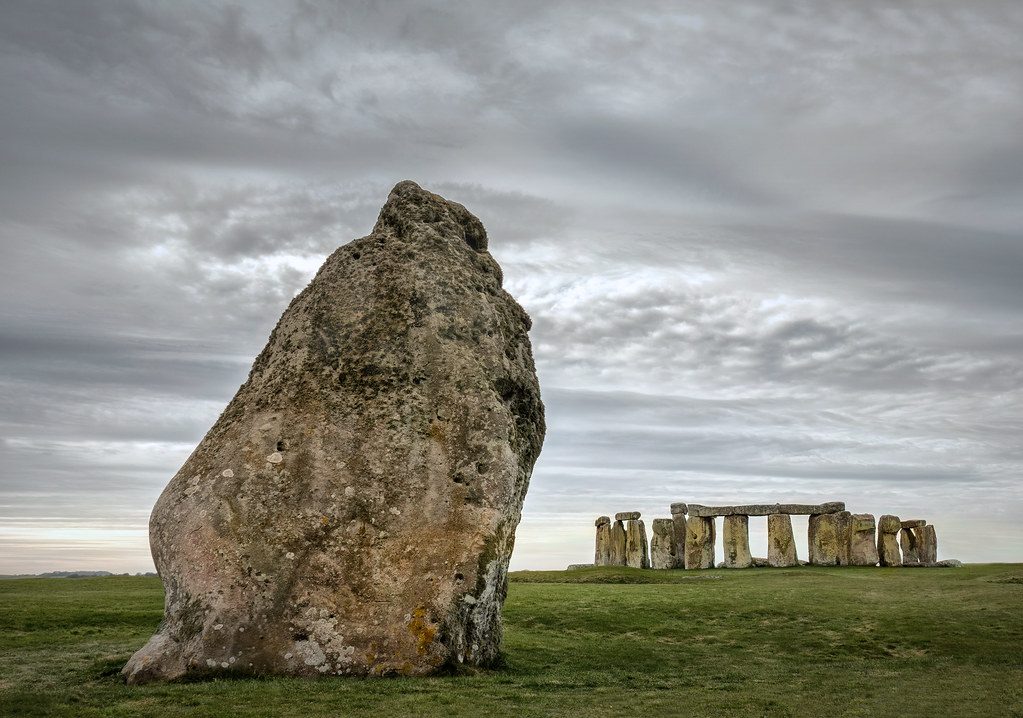
Locate this specific outlying sarsen stone near the road to capture the classic silhouette against the open sky. It serves as a strong foreground element for wide-angle compositions of the main henge.
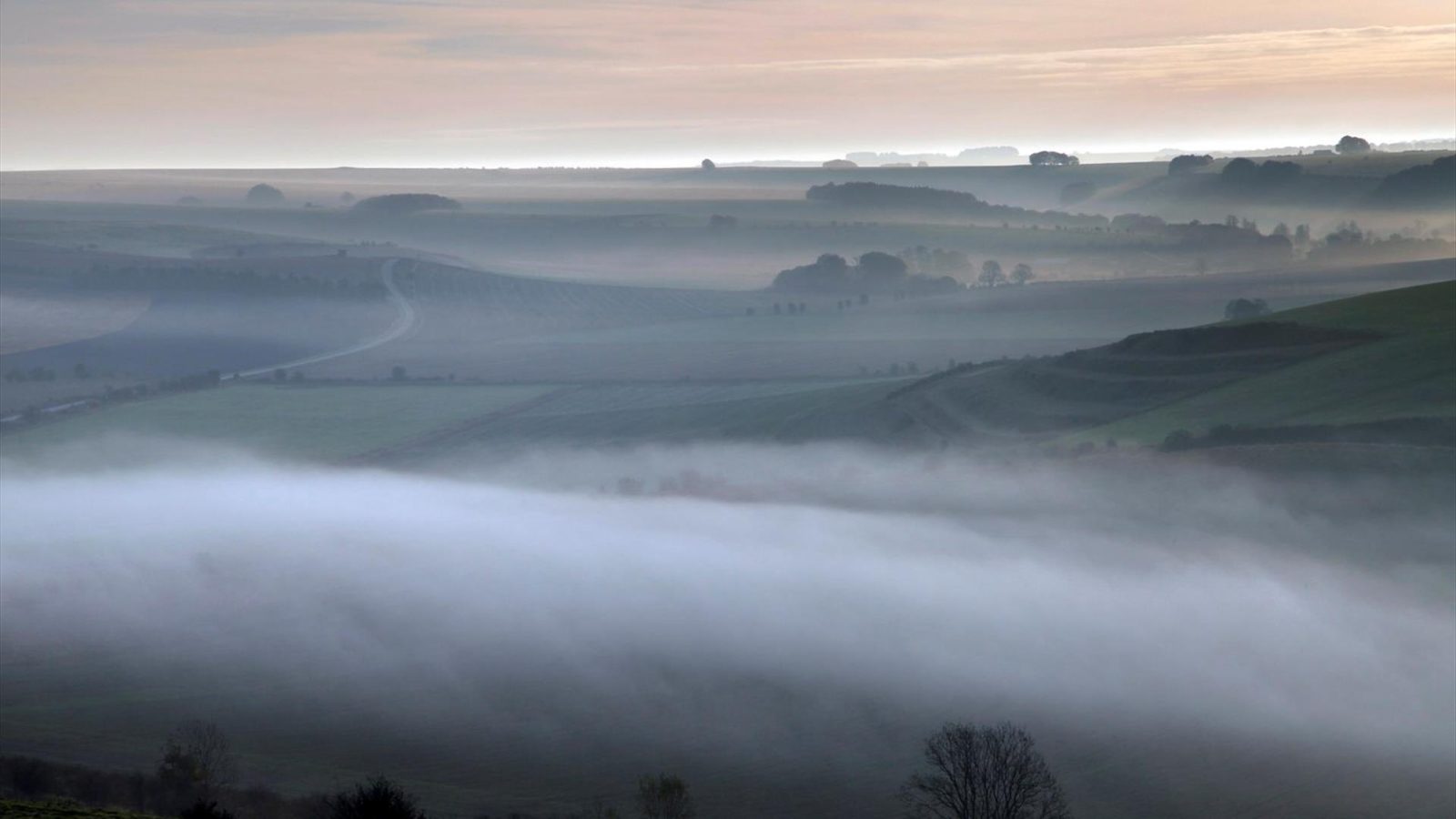
Walk along the public right-of-way paths surrounding the site boundary to capture the prehistoric site within its wider chalk downland context. This vantage point offers a unique look at the Neolithic landscape often included in a bath day trip to stonehenge tour.
Planning a bath day trip to stonehenge is manageable with children, provided you balance the prehistoric site visit with the interactive museum displays. These bath day trip to stonehenge tours help families navigate the transit between the city and the ancient monoliths while keeping younger travelers engaged.
The site offers a shuttle bus service from the visitor center to the stone circle, and while pushchairs are permitted on the shuttle, a baby carrier is more practical for maneuvering the grass paths around the monument. Some bath day trip to stonehenge tickets include shuttle access, so verify your transport logistics when booking your tour.
Baby-change facilities are available at the visitor center, which acts as the main hub before you head out to the neolithic houses. You can easily access restrooms and nursing areas here before boarding the shuttle for your bath day trip to stonehenge tour.
School-aged children often find the mystery of the bluestones more engaging, though the spacious grounds allow younger toddlers room to walk safely away from the main thoroughfare. Consider bringing activity packs to keep children occupied during the short walk around the stones.
The best arrival window is 09:30–12:00 to ensure your group can explore the visitor center exhibitions and the outdoor circle without rushing. We recommend allocating three hours total to enjoy this World Heritage site at a family-friendly pace.
Finding a meal during your bath day trip to stonehenge is straightforward, as the visitor center houses its own eatery. Whether you are using bath day trip to stonehenge tours or prefer to drive, options are limited to the immediate site vicinity.
Located at the visitor center, this café offers hot meals, sandwiches, and coffee. It serves as a convenient stop if you hold bath day trip to stonehenge tickets and need a quick break between exploring the Neolithic monument and the exhibition space.
This nearby pub provides a traditional setting for those seeking a more substantial lunch after their bath day trip to stonehenge tour. It features classic British menu items in a relaxed, historic atmosphere suitable for refueling.
Everything you need to know for your journey
Stonehenge is open daily from 09:30–17:00.
Yes, advance booking is highly recommended for all bath day trip to stonehenge tours to guarantee entry.
The standard adult gate price is 32 GBP, which includes a donation to English Heritage.
Limited storage is available; however, we recommend keeping bags light for your bath day trip to stonehenge.
The site is accessible via a shuttle bus, though the grass paths around the monument can be uneven.
Yes, personal photography is permitted during your bath day trip to stonehenge provided you do not use tripods.
We suggest the best arrival window of 09:30–12:00 to avoid peak crowds before the site closes.
Yes, an onsite café is available, though food should only be consumed in designated picnic areas.
No, only assistance dogs are permitted at the Stonehenge monument site.
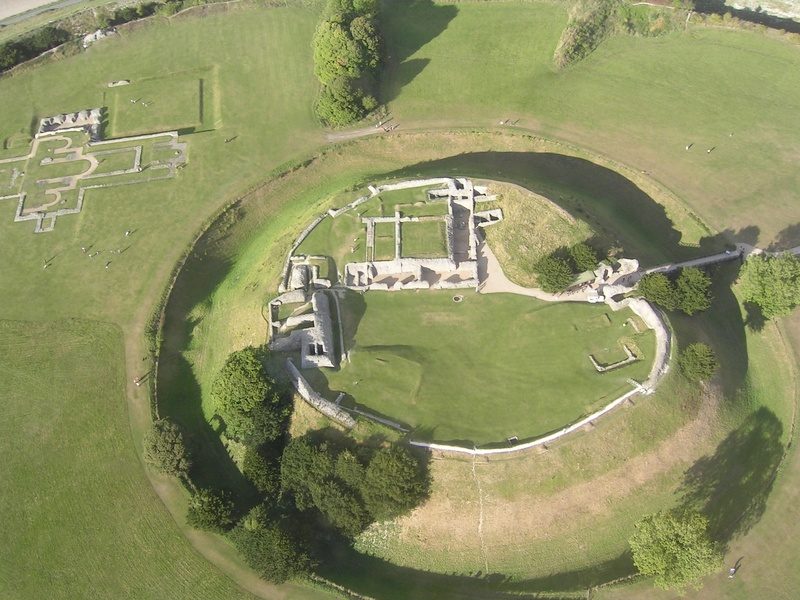
An iron-age hill fort and site of the original Salisbury Cathedral.
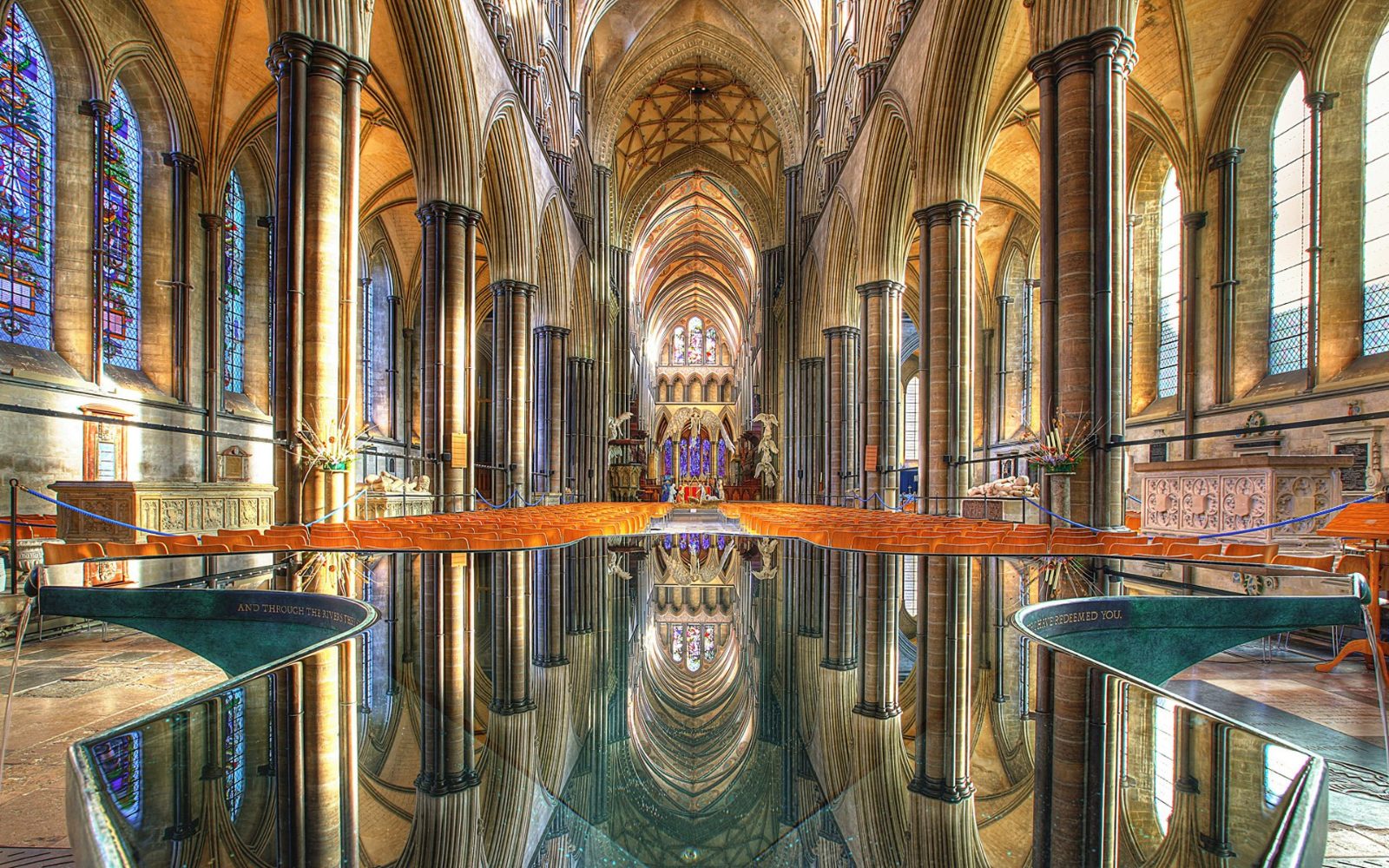
Famous for its 123rd-century spire and original Magna Carta document.
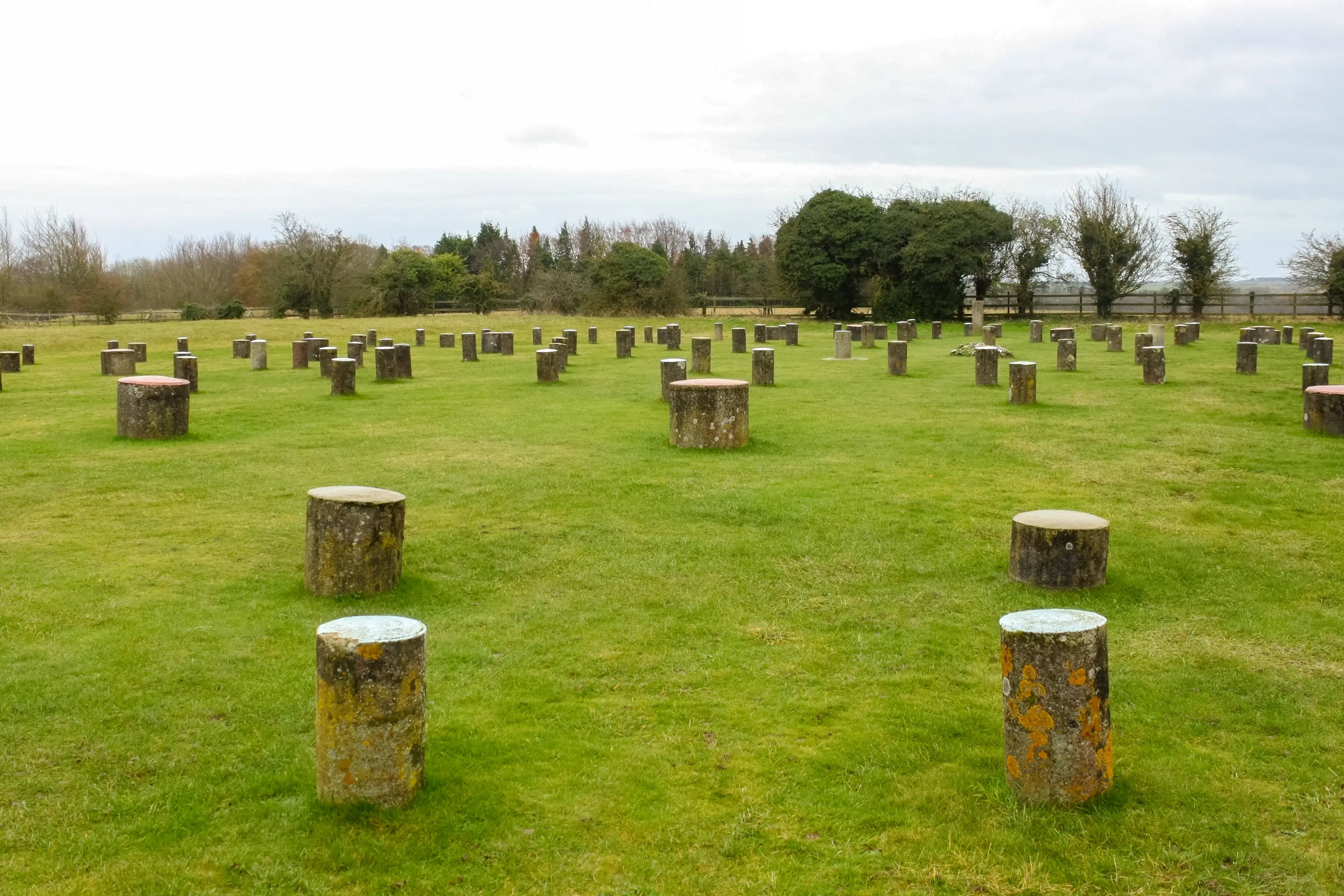
A Neolithic timber circle site located near the main monument.
A convenient pub with rooms located near the site.
Join thousands of happy travelers who have discovered this incredible experience
Book Your Experience Now